As the global economy pivots toward the rapid adoption of generative artificial intelligence, the strain on electrical grids has reached an unprecedented tipping point. While the “AI Revolution” is often discussed in terms of chips and software, the physical reality is that massive data centers require consistent, high-density power that traditional renewable sources currently struggle to provide alone. This is where The Role of Natural Gas in Bridging the AI Power Gap becomes an essential component of the modern energy thesis. For investors looking at The Ultimate Guide to Picks and Shovels Energy Investing for the AI Revolution in 2026, natural gas represents the pragmatic “bridge” that ensures the digital economy remains powered while the world transitions toward a net-zero future.
Validate your strategy with instant backtesting
Backtest LibraryThe Baseload Dilemma: Why AI Needs Natural Gas
Artificial Intelligence workloads, particularly the training of Large Language Models (LLMs), consume significantly more power than standard cloud computing tasks. Unlike residential or commercial electricity demand, which fluctuates throughout the day, AI data centers require “baseload” power—a constant, uninterrupted flow of electricity 24 hours a day, 365 days a year. Any interruption in power can lead to catastrophic data loss or the halting of expensive training runs.
While solar and wind are critical to the future of energy, their intermittent nature creates a reliability gap that batteries are not yet scaled to fill. Natural gas-fired power plants provide the necessary dispatchable energy that can be ramped up or down instantly. This reliability makes natural gas the primary candidate for utilities looking to support the massive infrastructure builds planned by big tech firms. For a deeper look at the physical commodities required for this shift, see our analysis of Copper and Critical Minerals: The Physical Picks and Shovels of AI.
Infrastructure and Midstream: The Real Picks and Shovels
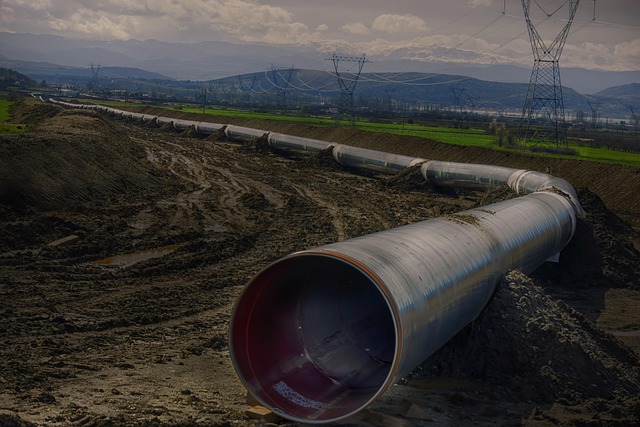
Investing in the natural gas sector for the AI boom isn’t just about the gas itself; it’s about the “plumbing” of the energy sector. Midstream companies—those that own the pipelines, processing plants, and storage facilities—stand to benefit the most from the increasing demand. As data centers are built in locations like Northern Virginia, Texas, and Ohio, the demand for local natural gas infrastructure is skyrocketing.
Investors should focus on firms that own “last-mile” pipeline connectivity to major data center hubs. Because it is notoriously difficult to permit and build new pipelines, existing infrastructure has become an incredibly valuable moat. This infrastructure serves as the backbone for Smart Grid Technology: The Backbone of AI-Driven Power Demand, ensuring that the surge in demand doesn’t collapse local distribution networks.
Actionable Insights: How to Position Your Portfolio
When evaluating The Role of Natural Gas in Bridging the AI Power Gap, investors should categorize their approach into three distinct tiers:
- Upstream Producers: Look for companies with low-cost production in the Marcellus or Haynesville shales. Efficiency and low methane leakage rates are key to maintaining contracts with tech companies focused on ESG.
- Midstream Infrastructure: Prioritize firms with existing pipeline rights-of-way. These companies act as toll booths for the energy required by data centers.
- Integrated Utilities: Seek out utilities in “data center alley” regions that are aggressively shifting their coal-fired capacity to natural gas and nuclear to meet tech-driven demand.
For those looking for specific tickers, our guide to Top AI Energy Infrastructure Stocks to Watch for 2026 Growth provides a curated list of companies positioned at this intersection. Additionally, understanding the timing of these investments is crucial, which is why Backtesting Energy Sector Rotations for AI Infrastructure Cycles can help in optimizing entry points.
Case Study 1: Kinder Morgan’s Data Center Expansion
Kinder Morgan (KMI) serves as a prime example of the natural gas-AI nexus. As one of the largest midstream companies in North America, they have recently highlighted the massive uptick in inquiries from data center developers. Their existing network in the Southeast United States allows them to provide gas to power plants that are directly adjacent to growing AI hubs. By leveraging existing pipelines, they can meet demand faster than competitors who must wait for years of environmental permitting for new projects.
Case Study 2: EQT Corporation and the Integrated Strategy
EQT Corporation, the largest natural gas producer in the U.S., has focused on vertical integration. By securing midstream assets and focusing on “Responsibly Sourced Gas” (RSG), they are positioning themselves as the preferred energy provider for tech giants like Microsoft and Google. These companies have strict environmental targets, and EQT’s ability to prove low-emissions gas production makes their product more attractive for the “clean” baseload power these data centers require.
Comparison of Energy Sources for AI Data Centers
| Energy Source | Reliability (Baseload) | Scalability (2026 Focus) | Environmental Impact |
|---|---|---|---|
| Natural Gas | High | Very High | Moderate (Transitionary) |
| Nuclear | Very High | Low (Long Lead Times) | Very Low |
| Renewables (Solar/Wind) | Low (Intermittent) | High | Very Low |
While Nuclear Energy and AI: The Hidden Infrastructure Opportunity is a compelling long-term play, the 2026 horizon belongs to natural gas due to its immediate scalability. Natural gas plants can be built and brought online in a fraction of the time it takes to commission a nuclear reactor.
Risk Management in Energy Investing
Investing in the natural gas bridge is not without risks. Commodity price volatility, regulatory shifts, and the long-term threat of advanced Renewable Energy Storage Solutions must be considered. Savvy investors should employ Risk Management Strategies for Volatile Energy Infrastructure Stocks to protect their capital while capturing the upside of the AI energy surge.
For a complete tactical plan on navigating these waters, refer to How to Invest in AI Power Demand: A Strategic Roadmap and consider the long-term outlook in The Best Picks and Shovels Plays for the Next Decade of Energy.
Conclusion
In summary, The Role of Natural Gas in Bridging the AI Power Gap is arguably the most significant tactical opportunity in the energy sector today. As AI data centers demand 24/7 power that intermittent renewables cannot yet provide, and as nuclear projects face long-term regulatory hurdles, natural gas stands alone as the scalable, reliable solution for the next five to ten years. By focusing on midstream infrastructure and low-cost upstream producers, investors can capitalize on the physical needs of the AI revolution. To see how natural gas fits into the wider investment landscape, return to The Ultimate Guide to Picks and Shovels Energy Investing for the AI Revolution in 2026.
Frequently Asked Questions
- Why is natural gas preferred over renewables for AI data centers? Natural gas provides “baseload” power, meaning it is available 24/7, unlike solar or wind which are intermittent. AI training requires constant electricity to prevent system failures.
- How long will natural gas be needed for AI? Most analysts expect natural gas to be the primary bridge fuel for at least the next 10-20 years until battery storage and small modular nuclear reactors (SMRs) become commercially viable at scale.
- What are the risks of investing in natural gas for AI? The main risks include regulatory changes (carbon taxes), commodity price volatility, and the eventual technological breakthrough in long-duration energy storage that could make gas less competitive.
- How does natural gas fit into “Picks and Shovels” investing? It is a “picks and shovels” play because you aren’t betting on which AI company wins; you are betting on the fundamental energy required by all of them.
- Can natural gas ever be “green” enough for tech companies? Tech companies are increasingly using Carbon Capture and Storage (CCS) and Responsibly Sourced Gas (RSG) certificates to offset the carbon footprint of their natural gas use.
- Which region is best for natural gas infrastructure investing? Regions with high data center density, such as the Appalachian Basin (near the Virginia data centers) and the Permian Basin (Texas), are currently the most lucrative.
- Is natural gas a better investment than nuclear for the AI revolution? For the 2026 timeframe, yes, because natural gas infrastructure is already in place or can be built much faster than new nuclear plants.