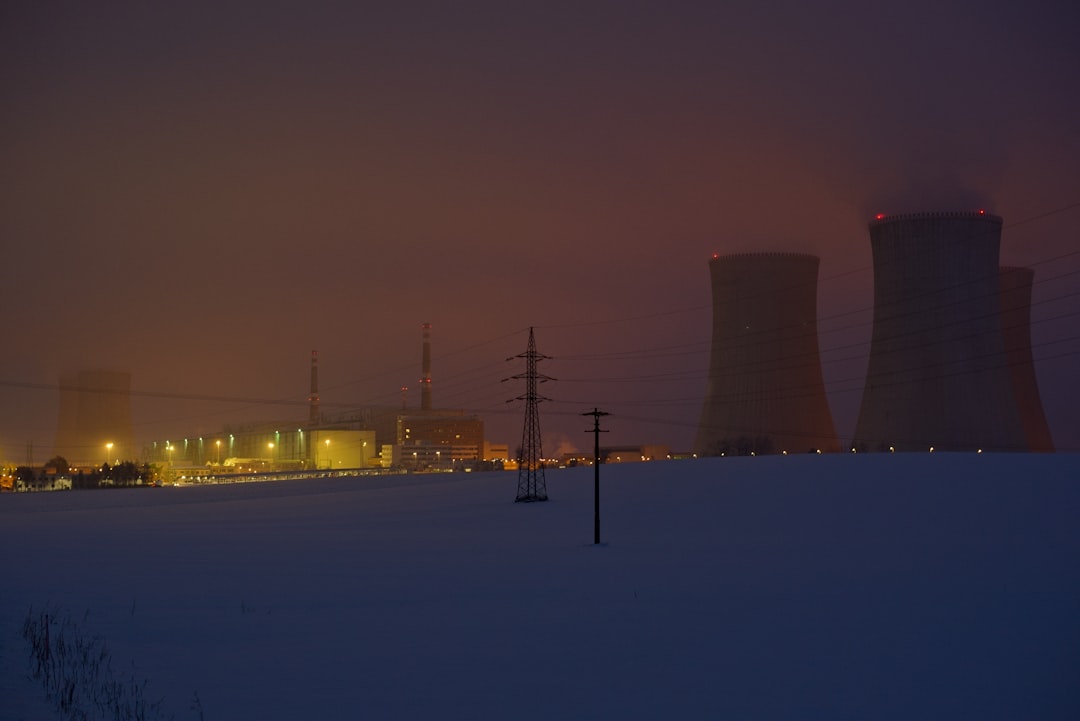
As the global race for artificial intelligence dominance accelerates, a critical bottleneck has emerged that few anticipated: the sheer physical demand for electricity. While much of the early investment focus centered on GPU manufacturers and software developers, savvy investors are now looking deeper into the supply chain. Nuclear Energy and AI: The Hidden Infrastructure Opportunity represents a fundamental shift in how we power the next generation of computing. Unlike traditional web hosting, AI model training and inference require massive, uninterruptible “baseload” power that renewable sources like wind and solar cannot always provide alone. This transition is a core component of The Ultimate Guide to Picks and Shovels Energy Investing for the AI Revolution in 2026, as nuclear energy transitions from a legacy utility play into a high-growth technology enabler.
Master Percentage Price Oscillator signals for profitable trading
Analyze Percentage Price OscillatorThe Reliability Mandate: Why AI Needs Nuclear
The primary reason nuclear energy has become the preferred partner for Big Tech is its capacity factor. Nuclear power plants operate at maximum output more than 92% of the time, providing a steady stream of electricity that data centers require to keep AI clusters running 24/7. In contrast, solar and wind are intermittent, requiring significant over-provisioning or expensive battery backups to maintain the same level of reliability.
For investors, this creates a “picks and shovels” scenario where the infrastructure itself becomes the scarce asset. As you explore How to Invest in AI Power Demand: A Strategic Roadmap, it becomes clear that the value is migrating toward energy providers that can guarantee carbon-free, constant power. Nuclear is the only technology that currently meets all three criteria: scale, reliability, and zero-carbon emissions.
Case Study 1: The Microsoft and Constellation Energy Partnership
One of the most definitive examples of Nuclear Energy and AI: The Hidden Infrastructure Opportunity is the 2024 agreement between Microsoft and Constellation Energy. This deal involves the restart of Unit 1 at the Three Mile Island nuclear facility—now renamed the Crane Clean Energy Center. Microsoft has committed to a 20-year power purchase agreement (PPA) to fuel its massive AI expansion.
This case study illustrates a “behind-the-meter” trend where tech giants bypass the traditional grid queues by securing dedicated power from existing nuclear assets. For the investor, this validates the premium valuation of nuclear utilities that possess idle or underutilized capacity. This is a recurring theme in The Best Picks and Shovels Plays for the Next Decade of Energy.
Case Study 2: Amazon (AWS) and Talen Energy
In early 2024, Amazon Web Services (AWS) made headlines by purchasing a data center campus located directly adjacent to the Susquehanna Steam Electric Station, a nuclear power plant in Pennsylvania owned by Talen Energy. By “co-locating” their infrastructure, Amazon reduced the need for complex grid upgrades and secured up to 960 megawatts of carbon-free power.
This move highlights the importance of physical location in energy investing. It isn’t just about who produces the power, but who can deliver it directly to the AI chips. Investors should look for companies with established nuclear footprints near major fiber-optic hubs. For a broader look at the equity landscape, see Top AI Energy Infrastructure Stocks to Watch for 2026 Growth.
The Small Modular Reactor (SMR) Frontier
While large-scale plants like Three Mile Island are vital, the future of the Nuclear Energy and AI: The Hidden Infrastructure Opportunity lies in Small Modular Reactors (SMRs). These are smaller, factory-built reactors that can be deployed specifically for a single data center campus. SMRs promise to reduce the massive capital expenditure and decade-long timelines associated with traditional nuclear construction.
Companies like NuScale, TerraPower, and X-energy are working on these designs. Although the technology is still in the pilot phase, the demand from AI companies is acting as a catalyst for regulatory fast-tracking. This transition is creating a new ecosystem of specialized engineering firms and component manufacturers that are essential for the Smart Grid Technology: The Backbone of AI-Driven Power Demand.
The Supply Chain: Uranium and Enrichment
Investing in nuclear infrastructure also requires looking at the raw materials. Just as AI needs GPUs, nuclear reactors need uranium. The supply chain for nuclear fuel is complex and highly regulated, creating a massive barrier to entry. This makes existing miners and enrichment facilities “hidden” winners in the AI boom.
The following table illustrates the key components of the nuclear-AI supply chain:
| Component | Function in AI Revolution | Investment Profile |
|---|---|---|
| Uranium Mining | Providing raw fuel for baseload power | Commodity-driven, high leverage to prices |
| Enrichment Services | Processing fuel for specialized SMRs | Highly technical, limited global competitors |
| SMR Developers | Next-gen decentralized power plants | Venture-like risk with massive upside |
| Utility Operators | Managing existing grid-scale nuclear | Steady cash flow with AI growth premiums |
For more on the physical commodities required for this transition, refer to Copper and Critical Minerals: The Physical Picks and Shovels of AI.
Risk Management and Regulatory Hurdles
Despite the optimism, nuclear energy carries unique risks. Regulatory delays, waste management concerns, and public perception can impact project timelines. When building a portfolio around these assets, it is crucial to use Risk Management Strategies for Volatile Energy Infrastructure Stocks. Investors must balance their nuclear exposure with other bridge fuels and storage solutions, as explored in The Role of Natural Gas in Bridging the AI Power Gap and Renewable Energy Storage Solutions for AI Data Centers.
To optimize returns, institutional investors are increasingly using quantitative methods to time their entries into these cycles. Understanding the historical performance of energy stocks during technological shifts is key, which is discussed in Backtesting Energy Sector Rotations for AI Infrastructure Cycles.
Conclusion
Nuclear energy is no longer the “forgotten” energy source; it is the cornerstone of the AI era’s physical infrastructure. By providing carbon-free, constant power at scale, nuclear utilities and the broader fuel supply chain offer a unique value proposition for those looking to invest in the AI revolution. Whether through the revival of legacy plants or the promise of SMR technology, the intersection of atomic power and artificial intelligence is where the most durable long-term value is likely to be found.
For a comprehensive understanding of how nuclear fits into the larger energy ecosystem, revisit The Ultimate Guide to Picks and Shovels Energy Investing for the AI Revolution in 2026.
Frequently Asked Questions
1. Why is nuclear energy considered a “hidden” opportunity for AI?
Most investors focus on the AI chips (GPUs) and software, while the massive electricity requirements are often overlooked. Nuclear energy provides the stable, 24/7 carbon-free “baseload” power that AI data centers need but cannot get consistently from solar or wind alone.
2. What are Small Modular Reactors (SMRs) and why do they matter?
SMRs are smaller, more flexible nuclear reactors that can be built in factories and deployed closer to data centers. They offer a solution to the long lead times and high costs of traditional nuclear plants, making them a key part of the 2026 energy roadmap.
3. How does the Microsoft/Constellation deal change the energy market?
This deal proves that tech companies are willing to pay a premium for dedicated nuclear power. It shifts nuclear utilities from being simple “rate-payer” businesses to being high-demand “tech-infrastructure” partners, potentially leading to higher valuations.
4. Is uranium a good investment for the AI revolution?
Yes, as demand for nuclear power grows to support AI, the demand for uranium fuel increases. Because the supply chain for uranium mining and enrichment is highly concentrated and regulated, it acts as a classic “picks and shovels” play.
5. How do I manage the risks of investing in nuclear energy infrastructure?
Nuclear stocks can be volatile due to regulatory changes. Investors should diversify their energy portfolios to include natural gas and smart grid technologies to hedge against delays in nuclear projects, as outlined in our Risk Management Guide.
6. Does nuclear energy replace renewable energy for AI?
No, they are complementary. While Renewable Energy Storage Solutions are improving, nuclear provides the constant power that renewables cannot yet guarantee 100% of the time without massive battery infrastructure.
7. What is the timeline for these nuclear infrastructure investments to pay off?
While existing plants like those involved in the AWS and Microsoft deals are providing value now, the “SMR revolution” is a 2026-2030 play. Investors should look at this as a long-term thematic cycle within the broader AI energy infrastructure landscape.