As we approach 2026, the global energy landscape is undergoing a radical transformation driven by the exponential growth of artificial intelligence. At the heart of this shift lies Smart Grid Technology: The Backbone of AI-Driven Power Demand. While much of the initial investment focus during the AI boom centered on high-performance GPUs and massive data center construction, savvy investors are beginning to realize that the existing electrical infrastructure is the primary bottleneck. To support the relentless energy needs of large language models and neural networks, the world requires more than just “more” power; it requires “smarter” power. This transition makes smart grid technologies essential components of The Ultimate Guide to Picks and Shovels Energy Investing for the AI Revolution in 2026.
Master Double Exponential Moving Average signals for profitable trading
Analyze Double Exponential Moving AverageThe Evolution from Passive Grids to Active AI Networks
Traditional electrical grids were designed for a one-way flow of energy: from centralized power plants to passive consumers. However, the AI revolution demands a paradigm shift. Data centers require high-density, uninterruptible power that traditional “dumb” grids struggle to provide consistently. Smart grid technology introduces a digital layer of communication and automation to the physical wires, allowing for real-time adjustments to power flow, load balancing, and fault detection.
For investors, this represents one of The Best Picks and Shovels Plays for the Next Decade of Energy. Unlike speculative AI startups, companies providing smart transformers, advanced metering infrastructure (AMI), and grid-edge software are selling the essential “shovels” that keep the digital economy running. Without these upgrades, the localized power surges caused by massive AI clusters could lead to regional instability or brownouts.
Core Technologies Powering the AI Grid
The modernization of the grid involves several key technological layers that provide actionable entry points for long-term investors. To understand How to Invest in AI Power Demand: A Strategic Roadmap, one must look at the specific components that make a grid “smart”:
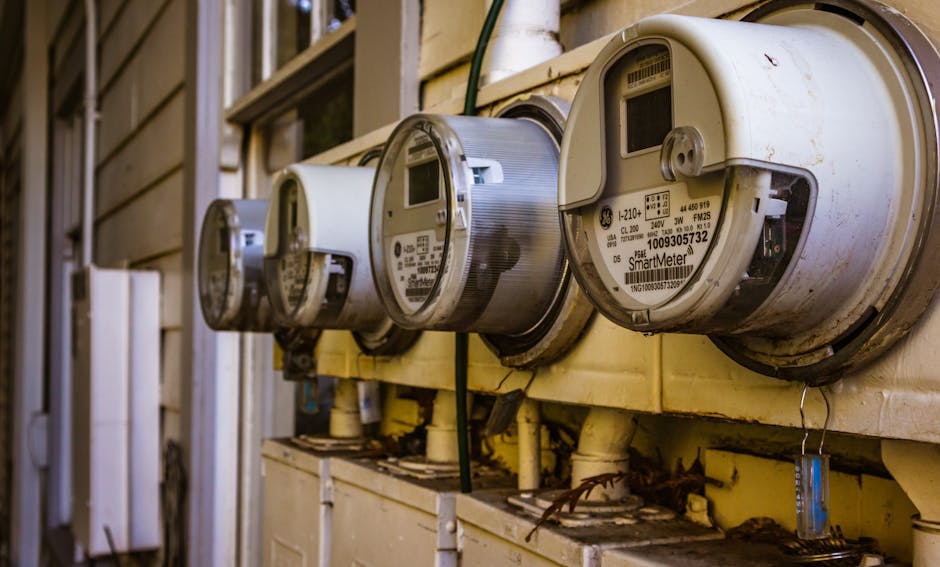
- Advanced Metering Infrastructure (AMI): These are not just digital meters but two-way communication hubs that allow utilities to manage demand response in real-time.
- Distribution Automation (DA): Systems that use sensors and switches to automatically reroute power during outages, ensuring the 99.999% uptime required by AI data centers.
- Software-Defined Power: AI-driven software that manages the grid itself, predicting demand spikes and optimizing the mix of energy sources.
- Grid-Edge Computing: Moving data processing closer to the source of power consumption to reduce latency and improve load management.
These technologies are also heavily reliant on physical materials. The upgrading of transformers and transmission lines is a primary driver for the demand in Copper and Critical Minerals: The Physical Picks and Shovels of AI.
Strategic Insights: Investing in the Smart Grid Hierarchy
When analyzing the smart grid sector for 2026 growth, it is helpful to categorize companies based on their position in the infrastructure hierarchy. The following table highlights the primary investment verticals within the smart grid ecosystem:
| Category | Primary Function | Investment Appeal |
|---|---|---|
| Hardware & Equipment | Transformers, high-voltage cables, and sensors. | High barrier to entry; massive backlog of orders through 2028. |
| Control Software | Grid management systems and predictive analytics. | High-margin, recurring SaaS revenue models. |
| Integration Services | Consulting and engineering for grid modernization. | Beneficiary of government subsidies and infrastructure bills. |
Investors should look for companies that bridge the gap between hardware and software. As explored in Top AI Energy Infrastructure Stocks to Watch for 2026 Growth, the most resilient players are those providing end-to-end solutions for utility companies facing unprecedented demand.
Case Studies: Smart Grid Technology in Action
1. Eaton and the Energy Transition: Eaton has shifted from a traditional industrial manufacturer to a “Power Management” leader. By focusing on “Building as a Grid” and “Data Center as a Grid” technologies, they allow AI facilities to not only consume power but also contribute back to the grid during peak times through integrated storage. This versatility is crucial for Renewable Energy Storage Solutions for AI Data Centers.
2. NextEra Energy and AI-Optimized Transmission: NextEra, one of the world’s largest renewable energy developers, utilizes advanced software to manage its vast network of wind and solar assets. By integrating smart grid sensors, they can predict when renewable output will be low and preemptively engage The Role of Natural Gas in Bridging the AI Power Gap or tap into Nuclear Energy and AI resources to keep data centers online.
Navigating Risks and Market Volatility
While the outlook for smart grid technology is overwhelmingly positive, it is not without risks. Regulatory hurdles remain a significant barrier, as utility companies often face slow approval processes for capital expenditures. Furthermore, the sector can be sensitive to interest rate fluctuations due to the capital-intensive nature of infrastructure projects. For a deeper dive into protecting your portfolio, refer to Risk Management Strategies for Volatile Energy Infrastructure Stocks.
Quantitative analysis can also help in timing these entries. By Backtesting Energy Sector Rotations for AI Infrastructure Cycles, investors can identify the historical correlations between tech-led demand surges and utility infrastructure rallies, ensuring they aren’t buying at the peak of a hype cycle.
Conclusion: The Smart Grid as the Ultimate Enabler
In the narrative of the AI revolution, the smart grid is the unsung hero. It is the literal foundation upon which the next generation of computing is built. Without Smart Grid Technology: The Backbone of AI-Driven Power Demand, the promise of 2026’s AI capabilities would remain a theoretical exercise hampered by a fragile and outdated energy system. For investors, the smart grid represents a rare combination of industrial stability and high-tech growth potential. By focusing on the hardware, software, and minerals that enable this modernization, you are positioning yourself at the most critical junction of the energy and technology sectors. To see how this fits into a total portfolio approach, visit The Ultimate Guide to Picks and Shovels Energy Investing for the AI Revolution in 2026.
Frequently Asked Questions
What exactly makes a power grid “smart” in the context of AI?
A smart grid uses digital communication technology, IoT sensors, and AI-driven software to monitor and manage the transport of electricity. In the context of AI demand, it allows the grid to handle the intense, localized, and constant power needs of data centers while integrating volatile renewable energy sources.
Why is smart grid technology considered a “picks and shovels” investment?
It is a “picks and shovels” play because it focuses on the essential infrastructure required for the AI industry to function. Instead of betting on which AI model will win, investors are betting on the transmission lines and management systems that every AI model must use to get power.
How do smart grids help with the intermittency of renewable energy?
Smart grids use predictive analytics to forecast weather patterns and energy production. They can automatically balance the load by drawing from battery storage or traditional sources like natural gas when solar or wind production drops, ensuring AI data centers never lose power.
Are smart grid stocks more or less volatile than AI software stocks?
Generally, smart grid stocks are less volatile because they are often tied to regulated utilities and large-scale industrial contracts. However, they can be more sensitive to interest rate changes and government infrastructure spending cycles than pure-play software companies.
What is the biggest risk to the smart grid rollout by 2026?
The primary risks are regulatory delays and “permitting hell.” Even if the technology and capital are available, getting government approval to upgrade transmission lines or build new substations can take years, potentially lagging behind the speed of AI development.
Which minerals are most critical for smart grid hardware?
Copper is the most critical mineral for the physical expansion of the grid, but silver, aluminum, and various rare earth elements are also essential for the sensors and high-efficiency transformers that make the grid “smart.”
How does the smart grid relate to the broader 2026 energy investing guide?
The smart grid acts as the connective tissue for all other topics in the guide. It is what allows nuclear, natural gas, and renewables to be delivered efficiently to the AI infrastructure, making it a central pillar of any AI-driven energy investment strategy.