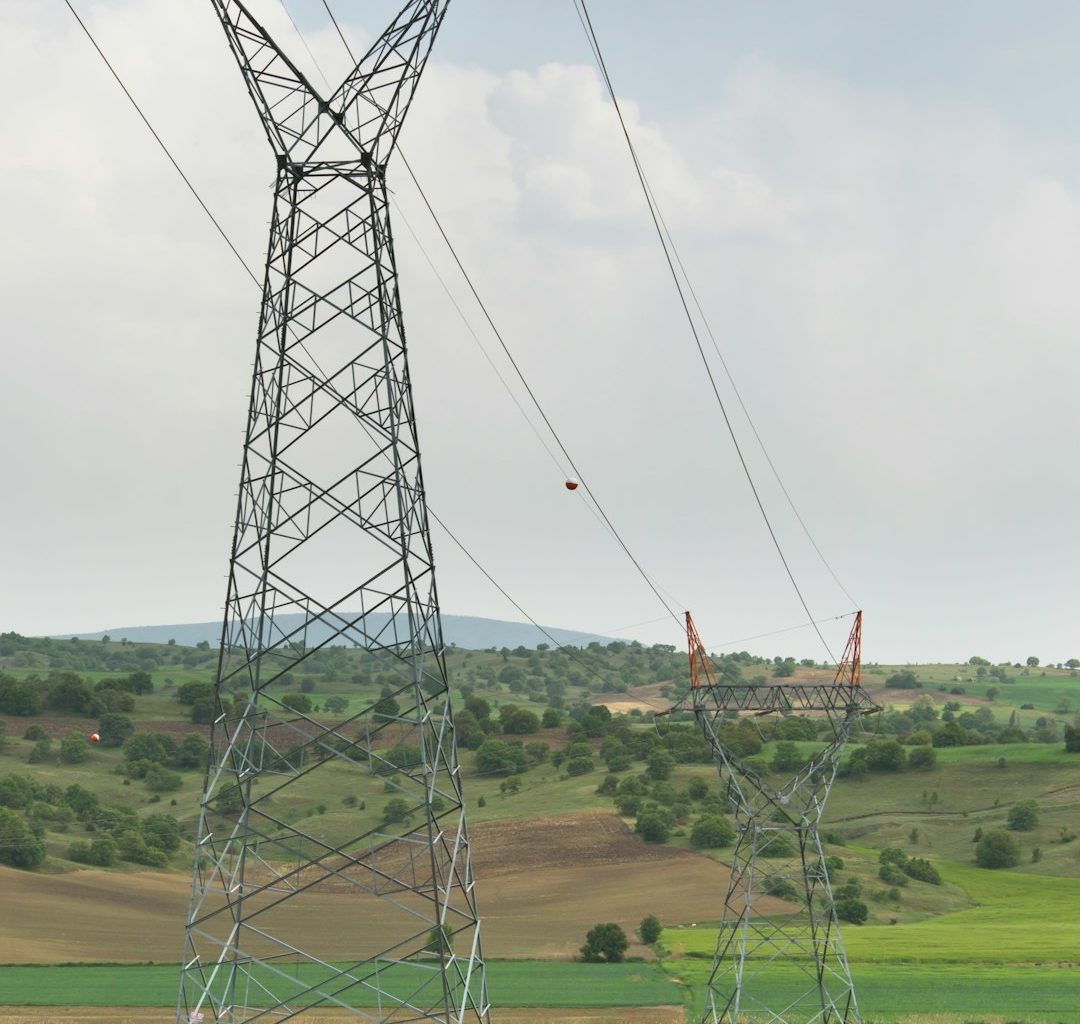
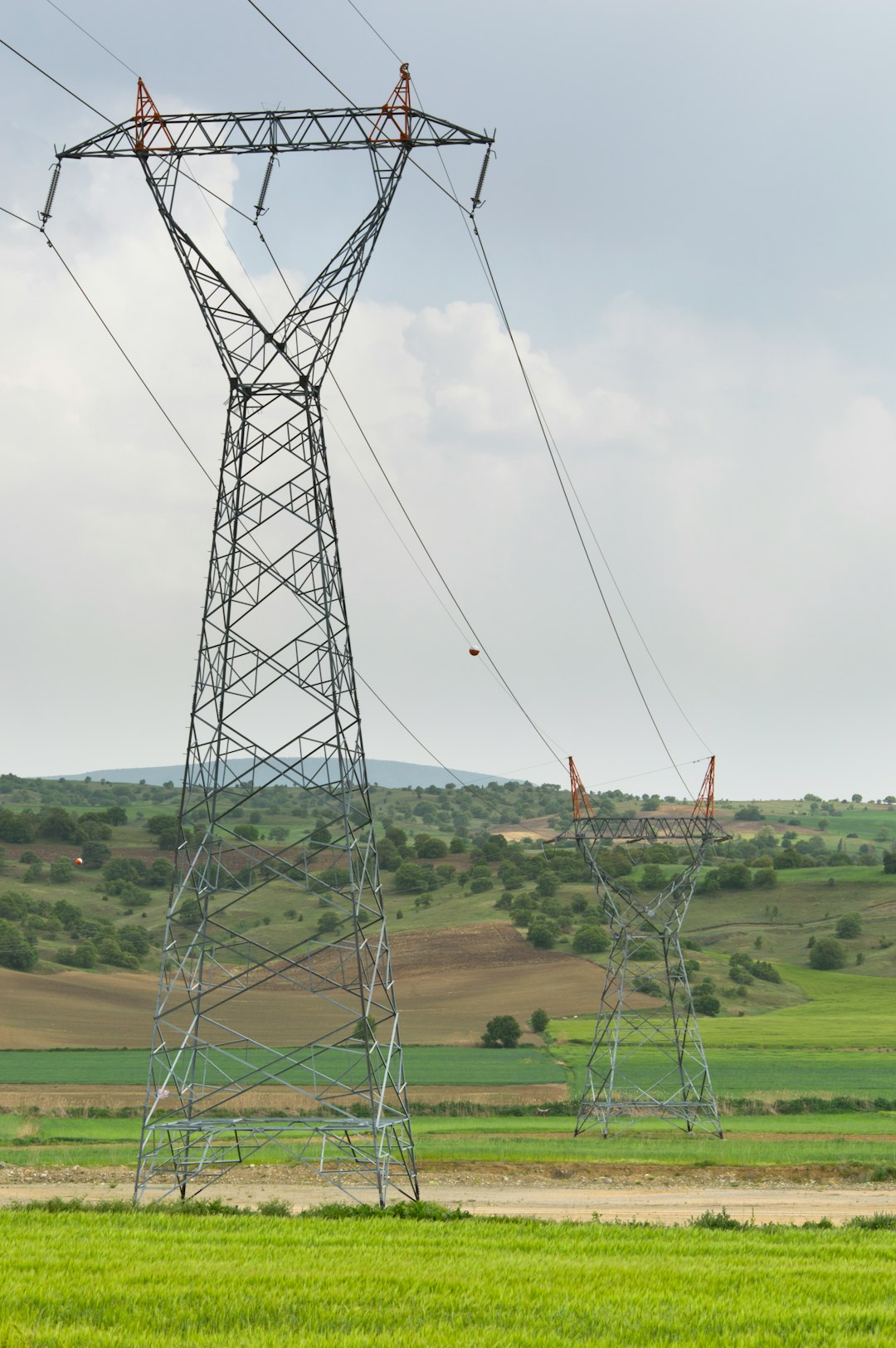
As the world pivots toward a future dominated by generative artificial intelligence, the primary bottleneck has shifted from software capabilities to physical reality. To support the computational demands of large language models and neural networks, a massive expansion of the global energy grid is required. This transition represents one of the most significant investment opportunities of the decade, moving beyond the “shovels” of semiconductor chips toward the literal infrastructure that powers them. This comprehensive guide serves as a central hub for understanding the multifaceted energy landscape, offering deep dives into specific sectors through a series of focused articles. By exploring the links provided throughout this text, investors can gain a granular understanding of everything from uranium extraction to high-voltage transmission lines, ensuring a holistic view of the “picks and shovels” play for the AI revolution.
Validate your strategy with instant backtesting
Backtest LibraryIdentifying the Foundation: Top Infrastructure Stocks
The first layer of the AI energy play involves the companies responsible for building the physical sites where computation happens. Data centers are no longer just warehouses for servers; they are becoming massive power plants in their own right, requiring specialized cooling systems, heavy-duty electrical equipment, and proximity to high-capacity transmission lines. These industrial giants are the primary beneficiaries of the initial wave of capital expenditure as Big Tech firms race to secure their physical footprint before the 2026 deadline.
When building a diversified portfolio, focusing on the companies that manufacture transformers, switchgear, and liquid cooling solutions is essential. Market analysts suggest that the Top AI Energy Infrastructure Stocks to Watch for 2026 Growth are those positioned at the intersection of traditional electrical engineering and high-tech data management. These firms are seeing backlogs that stretch years into the future, providing a level of revenue visibility that is rare in the volatile technology sector. Understanding which companies have the manufacturing capacity to meet this unprecedented demand is the first step for any serious infrastructure investor.
Navigating the Power Surge: A Strategic Roadmap
Investing in the power demand generated by AI requires more than just picking a few utility stocks; it necessitates a sophisticated understanding of how energy is generated, transmitted, and consumed. The surge in demand is expected to be non-linear, meaning that traditional forecasting models may fail to capture the true scale of the shift. Investors must look at the entire value chain, from the raw commodities used in grid expansion to the sophisticated software used to balance load in real-time.
To navigate this complexity, a disciplined approach is required to identify the entry points that offer the best risk-adjusted returns. By following a structured How to Invest in AI Power Demand: A Strategic Roadmap, market participants can better understand the timeline of infrastructure deployment. This roadmap emphasizes the importance of timing, as the build-out of a data center often precedes the actual power draw by several months or even years. Recognizing these lead-lag relationships allows investors to position themselves ahead of the curve, capturing growth before it is fully priced into the broader market.
The Long-Term View: Picks and Shovels for the Next Decade
While the immediate focus is on the 2026 growth cycle, the energy transformation driven by AI is a secular trend that will likely span decades. We are witnessing a fundamental re-ordering of global energy priorities, where “energy density” and “reliability” become the most valuable currencies. This long-term perspective shifts the focus from temporary construction booms to the enduring components of the global energy architecture that will be required to sustain a digital civilization.
The most resilient portfolios will be those that identify the structural winners in this transition. This involves looking at the components that are indispensable regardless of which AI model eventually dominates the market. By analyzing The Best Picks and Shovels Plays for the Next Decade of Energy, investors can find companies involved in long-life assets such as transmission rights, specialized metallurgical production, and proprietary grid management technologies. These plays offer a “moat” that protects against the rapid obsolescence often seen in pure software or hardware companies.
Nuclear Energy: The Carbon-Free Baseload Solution
One of the most surprising shifts in the energy landscape has been the return of nuclear power to the center stage. AI data centers require “five-nines” reliability—meaning they must be operational 99.999% of the time. Intermittent sources like wind and solar, while essential, cannot provide this level of constant baseload power without massive battery backups that are not yet cost-effective at scale. Nuclear energy, particularly with the advent of Small Modular Reactors (SMRs) and the life extension of existing plants, is uniquely suited to fill this gap.
The partnership between major technology firms and nuclear utilities is no longer a theoretical concept; it is a multi-billion dollar reality. Savvy investors are increasingly looking at Nuclear Energy and AI: The Hidden Infrastructure Opportunity as a way to play the intersection of ESG goals and industrial necessity. From uranium miners to the engineering firms that specialize in reactor maintenance, the nuclear supply chain is witnessing a renaissance that few predicted a decade ago, making it a critical component of any AI-centric energy strategy.
Modernizing the Grid: The Backbone of Digital Power
The existing electrical grid was designed for a world of centralized power plants and predictable, domestic consumption. It was not built for the massive, localized power draws of hyperscale data centers or the decentralized input of renewable energy. To solve this, billions of dollars are being poured into “Smart Grid” technologies—hardware and software that allow the grid to respond dynamically to changes in demand and supply.
This modernization effort is the invisible infrastructure that makes the AI revolution possible. Without a resilient and intelligent grid, the most advanced data centers would remain dark. Companies that provide Smart Grid Technology: The Backbone of AI-Driven Power Demand are essentially the traffic controllers of the energy world. They manage the flow of electricity, prevent blackouts, and integrate diverse energy sources into a cohesive system. As the complexity of the grid increases, the value of these technological solutions will only continue to rise.
Quantitative Analysis: Backtesting the Energy Cycle
For the data-driven investor, relying on intuition or narrative is not enough. The energy sector is notoriously cyclical, influenced by interest rates, geopolitical shifts, and commodity price swings. To succeed, one must apply the same level of rigorous analysis to energy stocks as one would to the AI models themselves. This involves looking at historical data to see how infrastructure sectors have performed during previous periods of rapid technological expansion, such as the fiber-optic boom of the late 1990s.
Quantitative strategies can help identify the optimal time to rotate into or out of specific energy sub-sectors. By Backtesting Energy Sector Rotations for AI Infrastructure Cycles, traders can develop models that account for the unique volatility of this space. This approach helps in distinguishing between a speculative bubble and a fundamental shift in value, providing a mathematical basis for long-term holding periods or tactical entries during market corrections.
Physical Commodities: Copper and Critical Minerals
Behind every digital algorithm is a physical reality composed of miles of copper wiring, silver contacts, and rare earth magnets. The sheer volume of raw materials required to upgrade the global power grid is staggering. Copper, in particular, is the “metal of electrification,” and its demand is expected to outpace supply significantly as AI-driven grid upgrades accelerate.
This creates a “physical picks and shovels” opportunity that is often overlooked by tech-focused investors. Exploring the role of Copper and Critical Minerals: The Physical Picks and Shovels of AI reveals the vulnerabilities and opportunities in the global supply chain. Without these materials, the expansion of the energy grid simply cannot happen. Investors who look toward the mining and processing firms that control these resources are betting on the fundamental building blocks of the future.
Energy Storage: Bridging the Intermittency Gap
As data centers strive for carbon neutrality, they are increasingly relying on renewable energy sources like wind and solar. However, since the sun doesn’t always shine and the wind doesn’t always blow, energy storage becomes the critical “bridge” that allows these sources to power 24/7 compute loads. Large-scale battery installations and long-duration storage technologies are becoming standard equipment for new data center developments.
The market for these solutions is expanding rapidly. Investigating Renewable Energy Storage Solutions for AI Data Centers provides insight into the different technologies currently competing for dominance, from lithium-ion to flow batteries and thermal storage. As the cost of these technologies continues to fall, their integration into the AI infrastructure stack becomes not just an environmental choice, but an economic imperative for data center operators looking to hedge against grid volatility.
Managing Volatility and Risk
Investing in energy infrastructure is not without its perils. The sector is capital-intensive, highly regulated, and sensitive to shifts in government policy. Furthermore, the rapid pace of AI development means that the infrastructure built today must be flexible enough to handle the technology of tomorrow. Navigating these risks requires a robust management strategy that goes beyond simple diversification.
Prudent investors must evaluate regulatory hurdles, interest rate environments, and the potential for technological disruption. Implementing Risk Management Strategies for Volatile Energy Infrastructure Stocks is essential for protecting capital in a sector known for its long lead times and high sensitivity to the broader economy. By understanding the “tail risks” associated with massive infrastructure projects, investors can build a portfolio that is resilient enough to withstand the inevitable bumps in the road toward the 2026 AI revolution.
The Bridge Fuel: Natural Gas in the AI Era
Despite the long-term goal of total decarbonization, the immediate reality of AI power demand requires a “bridge” that can be deployed quickly and reliably. Natural gas remains the most viable option for providing large-scale, flexible power that can ramp up or down to meet the fluctuating needs of the grid. Its role as a backup for renewables makes it an indispensable part of the current energy mix.
The debate over the longevity of fossil fuels often ignores the practical necessity of natural gas in maintaining grid stability. Analyzing The Role of Natural Gas in Bridging the AI Power Gap highlights how this commodity will remain a key player in the energy transition for years to come. For investors, this represents a tactical opportunity to capitalize on the continued demand for reliable, dispatchable power while the zero-carbon infrastructure is still being built.
Conclusion
The AI revolution is as much an energy story as it is a computing story. By 2026, the success of the world’s most advanced artificial intelligence models will depend directly on the strength and efficiency of the power grid that supports them. For investors, this “picks and shovels” approach offers a way to participate in the growth of AI without the extreme valuations often found in pure-play tech stocks. From the raw minerals in the ground to the smart software managing the grid, every link in the energy chain represents a potential opportunity. By utilizing the strategic roadmap and deep-dive resources provided in this guide, you can position yourself at the forefront of the most significant infrastructure build-out of our lifetime.
Frequently Asked Questions
Why is energy infrastructure considered a “picks and shovels” play for AI?
Just as the gold rush miners needed picks and shovels, AI needs massive amounts of electricity and physical infrastructure to function. Instead of betting on which AI software will win, investors bet on the essential energy components that all AI companies must use.
What are the biggest risks in AI energy investing?
The primary risks include regulatory delays in grid expansion, fluctuating commodity prices (like copper and uranium), and the high interest rates that can impact capital-intensive infrastructure projects.
How does nuclear energy factor into the AI boom?
Nuclear energy provides a steady, carbon-free “baseload” of power that is always on. This is critical for data centers that cannot afford even a second of downtime, making nuclear utilities a prime partner for Big Tech.
Is natural gas still relevant for AI power demand?
Yes. Because renewable energy is intermittent, natural gas acts as a reliable “bridge” fuel that can quickly provide power when the sun isn’t shining or the wind isn’t blowing, ensuring the grid remains stable during high compute loads.
What is the significance of the year 2026 in this context?
Many analysts and energy experts see 2026 as a “tipping point” where the cumulative demand from the first wave of generative AI data centers will fully hit the grid, creating a surge in demand that current infrastructure is currently racing to meet.
How can I use backtesting to improve my energy investments?
Backtesting allows you to look at historical market cycles to see how energy stocks react to technological shifts and interest rate changes. This helps in identifying patterns and timing your entry into different sectors like utilities or mining.
What minerals are most critical for AI energy infrastructure?
Copper is the most essential due to its use in wiring and transformers. Other critical materials include lithium for energy storage, uranium for nuclear power, and various rare earth elements used in high-efficiency motors and generators.