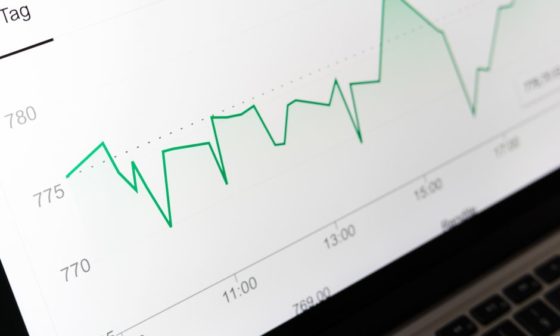
In the complex world of consumer staples, the relationship between **Commodity Futures and Food Stocks: How Sugar Prices Impact Beverage Growth** serves as a primary driver of volatility and valuation. For decades, beverage giants have relied on stable commodity prices to maintain consistent margins, but recent shifts in global trade, weather patterns, and health trends have disrupted this equilibrium. As investors look toward The Future of Food Stocks: Navigating the GLP-1 Era, Salty Snack Trends, and Sugar-Free Growth, understanding the underlying mechanics of sugar futures is no longer just for commodity traders—it is a vital skill for anyone tracking the long-term growth trajectories of soft drink manufacturers and bottled water conglomerates.
Validate your strategy with instant backtesting
Backtest LibraryThe Mechanics of Sugar Futures and Margin Pressure
Sugar is a globally traded commodity, with “Sugar No. 11” serving as the benchmark for raw sugar futures and “Sugar No. 16” focusing on the U.S. domestic market. For beverage companies, these futures represent a double-edged sword. When sugar prices rise due to supply constraints in major producing regions like Brazil or India, the cost of goods sold (COGS) for traditional soda products spikes.
Because sugar is a major ingredient in flagship carbonated soft drinks, even a minor percentage increase in futures can lead to significant margin compression if the company cannot pass those costs to the consumer. This is where Hedging Food Stock Volatility: Options Strategies for the Nestlé GLP-1 Pivot becomes relevant. Large-cap beverage companies use complex hedging strategies—buying futures contracts months or years in advance—to lock in prices and protect their bottom lines from sudden market shocks.
The Strategic Pivot to Sugar-Free Growth
The volatility of sugar prices has accelerated a strategic shift that was already underway due to health consciousness: the move toward sugar-free and low-calorie alternatives. High sugar prices act as an external catalyst, incentivizing companies to market products that use high-intensity sweeteners like aspartame or stevia, which are often used in much smaller quantities and have different cost structures.
This transition is a central pillar of The Rise of Sugar-Free Beverages: Investing in the Health-Conscious Consumer Shift. By reducing reliance on raw sugar, companies can insulate themselves from the boom-and-bust cycles of the agricultural commodity market. Furthermore, as GLP-1 medications reduce consumer cravings for sweets, the beverage industry’s growth is increasingly tied to its ability to innovate away from traditional sucrose-heavy recipes.
Case Study 1: The 2023 Sugar Price Surge
In late 2023, sugar prices hit multi-year highs due to dry weather in India and Thailand caused by El Niño. This created a challenging environment for beverage stocks. Companies like Coca-Cola and PepsiCo were forced to rely heavily on their “pricing power”—the ability to raise retail prices without a corresponding drop in volume.
During this period, investors who utilized Chart Patterns in Food & Beverage Stocks: Identifying Breakouts in Volatile Markets noticed a divergence. While companies with heavy sugar exposure saw their stock prices stagnate, those with diversified portfolios or aggressive sugar-free marketing campaigns maintained better momentum. This period proved that commodity futures are often a leading indicator for the quarterly earnings performance of food and beverage stocks.
Case Study 2: The Ethanol Connection in Brazil
Brazil is the world’s largest sugar producer, but it is also a leader in ethanol production. In Brazil, sugar mills have the flexibility to switch production between sugar and ethanol depending on which is more profitable. When global oil prices are high, mills produce more ethanol, reducing the supply of sugar and driving up futures prices.
This creates a fascinating link between the energy sector and beverage stocks. An investor tracking beverage growth must also keep an eye on crude oil. High energy prices can indirectly lead to more expensive sodas. To navigate these multi-layered risks, many funds are now Using AI Models to Predict Consumer Demand for Sugar-Free Alternatives to determine if consumers will accept price hikes or if they will switch to cheaper, sugar-free, or private-label options.
Actionable Insights for Investors
To effectively navigate the impact of sugar prices on beverage stocks, investors should consider the following practical steps:
- Monitor the “Sugar-to-Ethanol” Ratio: Keep an eye on Brazilian energy policies and global oil prices, as these often dictate the global supply of raw sugar.
- Analyze Hedging Disclosures: Read the “Quantitative and Qualitative Disclosures About Market Risk” in 10-K filings to see how much of a company’s sugar needs are hedged for the coming year.
- Assess Product Mix: Prioritize beverage companies that are aggressively expanding their “Zero Sugar” lines, as these products offer higher margins and lower exposure to commodity volatility.
- Track GLP-1 Adoption: As discussed in Theme Investing: How GLP-1 Medications are Reshaping the Global Food Industry, a long-term decline in sugar demand could eventually lead to lower futures prices, potentially benefiting companies that still maintain traditional lines.
The Role of Data and Predictive Modeling
In the modern trading environment, relying on historical averages is insufficient. Sophisticated investors are now Backtesting Consumer Staple Portfolios During Healthcare Disruptions to see how beverage stocks perform when both commodity prices and consumer habits change simultaneously.
For instance, the combination of high sugar futures and the rise of weight-loss drugs creates a unique “pincer movement” on traditional soda margins. Companies like Nestlé have had to pivot rapidly; for more on this, see the analysis of Analyzing Nestlé’s GLP-1 Strategy: Adapting to the Weight-Loss Drug Revolution.
| Factor | Impact on Sugar Futures | Impact on Beverage Stocks |
|---|---|---|
| El Niño Weather | Bullish (Increases Prices) | Bearish (Higher Input Costs) |
| High Crude Oil | Bullish (Shift to Ethanol) | Bearish (Margin Compression) |
| GLP-1 Expansion | Bearish (Lower Demand) | Bullish (Force Shift to High-Margin Sugar-Free) |
| Sugar-Free Innovation | Neutral | Bullish (Reduced Commodity Sensitivity) |
Conclusion: Integrating Commodity Trends into Food Stock Analysis
The relationship between **Commodity Futures and Food Stocks: How Sugar Prices Impact Beverage Growth** is a vital component of a comprehensive investment strategy. While high sugar prices present a short-term headwind for margins, they often act as a catalyst for long-term innovation, pushing companies toward more resilient, health-conscious product portfolios. By understanding the triggers of sugar price volatility—from Brazilian ethanol production to global weather patterns—investors can better predict which beverage companies will thrive and which will struggle to maintain their growth.
As the industry continues to evolve, staying informed on broader trends such as Salty Snack Stock Outlook: Why Savory Cravings Still Drive Market Gains and The Psychology of Consumer Habits will be essential. Ultimately, sugar futures are just one piece of the puzzle in the multi-faceted landscape of The Future of Food Stocks: Navigating the GLP-1 Era, Salty Snack Trends, and Sugar-Free Growth.
Frequently Asked Questions
1. How do sugar futures directly affect the stock price of a beverage company?
Sugar futures affect the cost of goods sold (COGS). If futures prices rise significantly and a company hasn’t hedged its supply, its profit margins shrink, which often leads to a decline in stock price as earnings estimates are revised downward.
2. Why do beverage companies care about ethanol prices in Brazil?
Brazil is a top sugar exporter. Many Brazilian mills can choose to produce either sugar or ethanol. When ethanol prices are high (often linked to oil prices), mills produce less sugar, causing the global supply of sugar to drop and prices to rise.
3. Can beverage companies always pass sugar cost increases to consumers?
Not always. While companies like Coca-Cola have strong “pricing power,” there is a limit to what consumers will pay. If prices rise too high, consumers may switch to private-label brands or different categories like bottled water.
4. How does the GLP-1 era change the impact of sugar prices?
GLP-1 drugs reduce the appetite for sweets. This may lead to a long-term structural decline in sugar demand. If demand drops, sugar prices may stay lower, but beverage companies must still pivot to sugar-free versions to maintain sales volume.
5. What is “hedging” in the context of sugar and food stocks?
Hedging involves using financial instruments like futures and options to lock in a purchase price for sugar months in advance. This allows companies to have predictable costs regardless of how the commodity market fluctuates.
6. Are sugar-free beverages immune to commodity price swings?
While they are immune to sugar price swings, they are still affected by the costs of other inputs like aluminum for cans, plastic for bottles, and the chemical components of artificial sweeteners, though these are generally less volatile than agricultural commodities.
7. Which index should I watch to track global sugar prices?
The Sugar No. 11 futures contract, traded on the Intercontinental Exchange (ICE), is the world benchmark for raw sugar trading and the most important index for global beverage investors.