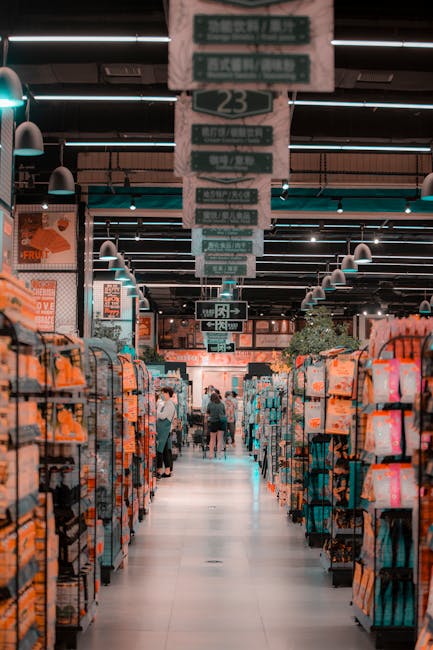
The global food and beverage industry is currently navigating one of the most transformative periods in its history. Investors are facing a unique convergence of factors: the sudden rise of GLP-1 weight-loss medications, a long-term shift toward health-conscious consumption, and the persistent, psychological resilience of comfort foods. Understanding these dynamics requires more than a surface-level glance at quarterly earnings; it necessitates a deep dive into consumer psychology, technical market analysis, and the quantitative backtesting of historical disruptions. This comprehensive guide serves as a central hub for investors looking to master this landscape. We explore everything from the Salty Snack Stock Outlook: Why Savory Cravings Still Drive Market Gains to the intricacies of Theme Investing: How GLP-1 Medications are Reshaping the Global Food Industry. By examining how corporate giants like Nestlé are adapting and how AI is predicting the next wave of sugar-free demand, you can build a robust portfolio capable of weathering the volatility of the modern market.
Validate your strategy with instant backtesting
Backtest LibraryThe GLP-1 Revolution: Reshaping Global Food Consumption
The emergence of GLP-1 medications, such as Ozempic and Wegovy, has sent shockwaves through the consumer staples sector. These drugs, which suppress appetite and alter food preferences, have led to concerns about a permanent decline in caloric intake across the population. Analysts are no longer just looking at brand loyalty; they are examining how biological intervention changes the very nature of demand. While the initial market reaction was one of fear, a more nuanced perspective is emerging. Some companies are positioned to lose volume, while others are pivoting toward nutrient-dense, smaller-portion offerings that cater to the “GLP-1 consumer.”
For investors, identifying the winners in this environment requires a macro view of the industry’s structural changes. When we look at Theme Investing: How GLP-1 Medications are Reshaping the Global Food Industry, it becomes clear that the “quantity to quality” shift is the dominant narrative. Companies that can provide high-protein, vitamin-rich supplements to prevent muscle loss in patients on these medications are likely to capture a new, high-margin market segment. This era represents a fundamental transition from mass-market satiety to targeted, functional nutrition.
The Resilience of Salty Snacks in a Health-Conscious World
Despite the growing emphasis on wellness and weight loss, the salty snack category has remained remarkably resilient. Savory cravings appear to be deeply ingrained in consumer behavior, often serving as an affordable “micro-luxury” or a stress-relief mechanism. Major players in the snack industry have managed to maintain growth by diversifying their portfolios to include air-popped, baked, and low-sodium options, ensuring they have a product for every type of consumer, from the indulgent to the health-aware.
From a market perspective, the stability of these stocks is a testament to the power of established distribution networks and brand equity. Investors who study the Salty Snack Stock Outlook: Why Savory Cravings Still Drive Market Gains will note that price elasticity in this sub-sector is higher than in many other food categories. Even as inflation pressured household budgets, consumers were reluctant to give up their favorite chips and crackers, providing a reliable “defensive” cushion for portfolios that include diversified snack giants.
Investing in the Sugar-Free Beverage Shift
The beverage industry was one of the first to feel the pressure of the global health movement, leading to a massive R&D push into sugar alternatives. Today, the “sugar-free” label is no longer a niche diet category; it is a primary driver of growth for the world’s largest soda manufacturers. Sparkling waters, zero-sugar energy drinks, and functional teas are replacing traditional sugary colas at an accelerating rate. This shift is driven by a younger demographic that is more attuned to the long-term metabolic effects of high fructose corn syrup.
Strategic capital allocation in this space requires an understanding of how these product lines impact bottom-line margins. Exploring The Rise of Sugar-Free Beverages: Investing in the Health-Conscious Consumer Shift reveals that while the cost of sugar alternatives can be volatile, the premium pricing power of “healthy” beverages often offsets the raw material costs. This transition is not just about avoiding sugar; it is about the broader “better-for-you” beverage ecosystem that includes hydration and cognitive enhancement.
Case Study: Analyzing Nestlé’s GLP-1 Strategic Pivot
As the world’s largest food company, Nestlé provides a fascinating case study in corporate adaptation. Rather than viewing weight-loss drugs as a threat to their confectionery business, Nestlé has moved aggressively to position itself as a “companion” to the GLP-1 journey. This involves developing specific brands focused on “GLP-1 companion products”—high-protein shakes, fiber supplements, and portion-controlled meals designed to meet the specific nutritional needs of those with reduced appetites.
This proactive stance is a model for how legacy food companies can survive disruption. By Analyzing Nestlé’s GLP-1 Strategy: Adapting to the Weight-Loss Drug Revolution, investors can learn how to identify management teams that are forward-thinking rather than reactive. Nestlé’s ability to leverage its health science division gives it a competitive moat that smaller, pure-play snack companies may lack, suggesting that diversification remains a key survival trait in the GLP-1 era.
The Psychology of Habit: Why Some Foods Resist Trends
To understand why certain food stocks remain “buys” even during health scares, one must look at the psychology of human habits. Salty and savory foods trigger different neurological responses than sweet foods, often tied to social rituals and ingrained snacking routines. While a consumer might easily swap a sugary soda for a zero-sugar version, the tactile and flavor experience of a crunchy, salty snack is harder to replicate with “healthy” alternatives. This psychological lock-in creates a floor for demand that GLP-1 drugs may not fully erode.
The persistent nature of these habits explains why the snack sector often outperforms during market downturns. In our exploration of The Psychology of Consumer Habits: Why Salty Snacks Remain Resilient to Health Trends, we find that the emotional connection to comfort food acts as a powerful barrier against behavioral change. For the investor, this means that while the “growth” might be in health food, the “stability” often remains in the savory snack aisle.
Using AI to Predict Consumer Demand for Sugar-Free Alternatives
Predictive analytics and artificial intelligence are changing how food companies manage their supply chains and product launches. AI models can now analyze social media sentiment, grocery store scanners, and search trends to predict exactly when a particular sugar-free ingredient will trend. This allow companies to adjust their inventory and marketing spend in real-time, reducing the risk of failed product launches. For investors, companies that successfully integrate these AI tools often display better margin control and higher return on invested capital.
The technological edge is becoming a primary differentiator in the consumer staples sector. When Using AI Models to Predict Consumer Demand for Sugar-Free Alternatives, firms can identify micro-trends before they hit the mainstream. Investors should look for companies that are investing in “data-first” product development, as these are the firms most likely to capture the shifting preferences of the modern, health-conscious consumer.
Backtesting Consumer Staples Through Historical Disruptions
Quantitative analysis allows us to look past the current headlines and see how food stocks have historically performed during major healthcare or regulatory shifts. Whether it was the rise of low-carb diets in the early 2000s or the implementation of “sugar taxes” in various jurisdictions, the consumer staples sector has a history of volatility followed by recovery. Backtesting these periods helps investors manage their expectations for the GLP-1 rollout and provides a roadmap for “buying the dip” when sentiment becomes overly bearish.
By Backtesting Consumer Staple Portfolios During Healthcare Disruptions, we can see that high-quality companies with strong “brand moats” typically recover within 18-24 months of a major disruption. This data-driven approach removes the emotion from investing, allowing traders to focus on the long-term fundamentals of cash flow and dividend sustainability rather than short-term media panics.
Technical Analysis: Identifying Chart Patterns in Food Stocks
While fundamentals tell you *what* to buy, technical analysis helps you decide *when* to buy. Food and beverage stocks often exhibit specific chart patterns during periods of industry-wide transition. Identifying breakouts, support levels, and moving average crossovers can help investors enter positions at more favorable price points. Given the current volatility induced by GLP-1 news cycles, being able to read the price action is essential for minimizing downside risk.
Traders often look for “basing” patterns after a sector has been sold off. Looking at Chart Patterns in Food & Beverage Stocks: Identifying Breakouts in Volatile Markets provides the tools needed to spot these reversals. When a stock like PepsiCo or Mondelez begins to consolidate after a health-trend-driven decline, it often signals that the “bad news” is already priced in, offering a high-probability entry for swing traders and long-term investors alike.
Risk Management: Hedging Strategies for the GLP-1 Era
Investing in an era of disruption requires sophisticated risk management. For those heavily exposed to traditional food giants, options strategies can provide a necessary hedge against sudden “GLP-1 shocks.” Whether it is through buying protective puts or selling covered calls to generate income during sideways markets, these strategies allow investors to stay in the game without being wiped out by a single negative clinical study or earnings report.
Sophisticated investors are already Hedging Food Stock Volatility: Options Strategies for the Nestlé GLP-1 Pivot to protect their capital. By using these derivatives, you can participate in the upside of a company’s transition while limiting the impact of the volatility that inevitably accompanies such a massive structural shift in consumer behavior. This balanced approach is critical for maintaining a resilient consumer staples portfolio.
Commodity Impacts: Sugar Prices and Beverage Growth
Finally, one cannot analyze the food and beverage sector without looking at the underlying commodities. Sugar prices, influenced by weather patterns, ethanol demand, and global trade policies, have a direct impact on the margins of beverage companies. Even as companies move toward sugar-free options, the price of “natural” sweeteners and the cost of Reformulating products remain significant variables in the profitability equation.
Understanding the link between the futures market and the grocery store shelf is vital. As detailed in Commodity Futures and Food Stocks: How Sugar Prices Impact Beverage Growth, a spike in raw material costs can squeeze margins just as a company is trying to invest in new, sugar-free R&D. Monitoring these input costs provides an early warning system for earnings misses and allows investors to adjust their positions before the broader market reacts.
Conclusion
The future of food stocks is not a binary choice between “healthy” and “indulgent.” Instead, it is a complex mosaic where GLP-1 medications, AI-driven demand forecasting, and psychological habits coexist. The most successful investors will be those who can bridge the gap between quantitative backtesting and qualitative consumer insights. By understanding the strategic pivots of leaders like Nestlé and the technical indicators of market health, you can navigate this transition with confidence. The “GLP-1 Era” is not the end of the food industry; it is the beginning of a more efficient, health-aware, and technologically integrated market that offers significant opportunities for those who know where to look.
Frequently Asked Questions
How do GLP-1 drugs specifically impact snack stock valuations?
GLP-1 drugs impact valuations primarily through “volume risk.” If consumers eat 20% fewer calories, the total addressable market for snacks may shrink. However, many companies are offsetting this by increasing prices and introducing higher-margin, health-oriented products.
Are salty snacks really “safe” from health trends?
While no category is completely immune, salty snacks benefit from high “craveability” and social consumption habits. Historically, they have shown higher resilience to health-conscious shifts compared to high-sugar categories like candy or traditional soda.
Why is backtesting important for consumer staples?
Backtesting allows investors to see how these stocks performed during past disruptions, such as the 2008 financial crisis or the 2010s “war on sugar.” This historical context helps in setting realistic stop-loss levels and identifying “oversold” conditions.
Can AI really predict what people will eat?
Yes, by analyzing massive datasets from retail loyalty programs and social media, AI can identify shifts in consumer preference months before they manifest in quarterly earnings reports, giving a significant advantage to companies that use these models.
How do sugar prices affect companies moving toward sugar-free products?
Even sugar-free companies are affected by sugar prices because they often compete for the same agricultural resources or use sugar-based “natural” precursors for their alternative sweeteners. Additionally, many companies still maintain a large “legacy” portfolio of sugared products that drive their current cash flow.
What is the best way to hedge against food stock volatility?
Many investors use “collar” strategies—buying a protective put while selling a covered call. This limits the potential downside from a sudden regulatory change or GLP-1 study while still allowing for modest capital appreciation.
Is Nestlé a better play than pure-play snack companies?
Nestlé offers more diversification due to its large health science and medical nutrition divisions. While pure-play snack companies might offer higher growth in a bull market, Nestlé’s structure provides a more robust hedge against the specific risks posed by weight-loss medications.