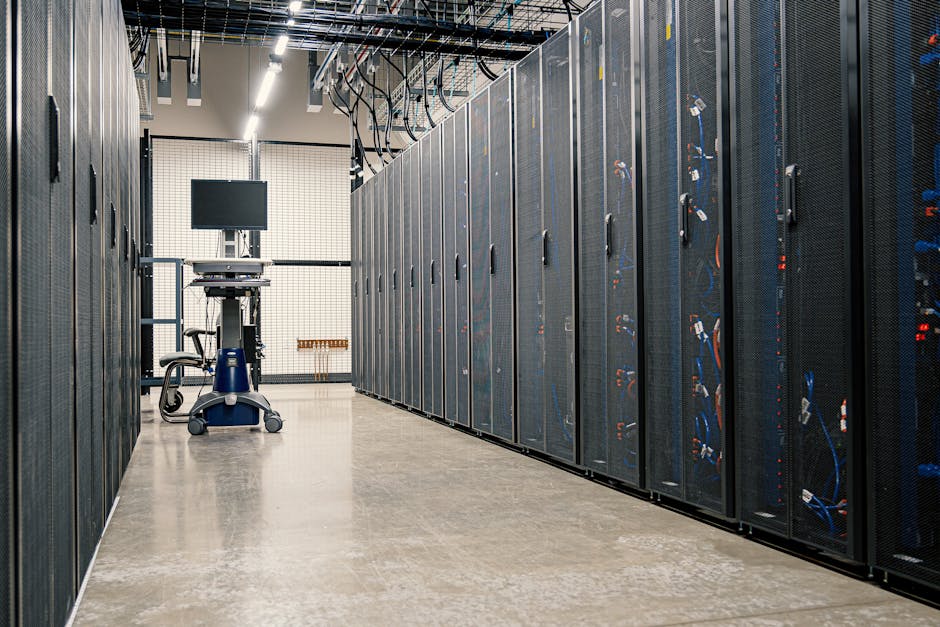
The rapid growth of cloud computing and generative artificial intelligence has created an unprecedented surge in global electricity demand. Understanding How Data Center Expansion is Driving Demand for Natural Gas and Renewables is essential for grasping the broader shift within The Future of Energy Infrastructure: Investing in Gas Turbines, Renewables, and Data Center Power Solutions. As technology giants like Microsoft, Google, and Amazon race to expand their digital footprints, they are encountering a significant hurdle: a power grid that is increasingly constrained. To ensure 24/7 uptime while simultaneously meeting aggressive decarbonization goals, the industry is pivoting toward a sophisticated mix of “firm” fossil fuels and intermittent clean energy sources.
Master Double Exponential Moving Average signals for profitable trading
Analyze Double Exponential Moving AverageThe Massive Scale of Data Center Power Consumption
Modern data centers are no longer just warehouses for servers; they are industrial-scale energy consumers. A single large-scale “hyperscale” data center can consume as much electricity as a mid-sized city. The shift toward AI-driven workloads has intensified this trend, as AI chips require significantly more power and cooling than traditional CPUs. This consumption surge is forcing utilities and developers to rethink their capacity planning.
According to recent industry reports, data center power demand in the United States alone is projected to double by 2030. This growth is a primary catalyst for the Global Energy Transition: Investing in the Shift from Coal to Gas and Renewables. As coal plants retire, the industry is looking for replacements that can provide the same level of reliability without the same carbon intensity. This has placed natural gas and renewables at the center of the next decade’s energy infrastructure investment.
Natural Gas: The Indispensable Bridge for Reliability
While tech companies have a strong preference for green energy, the physical reality of the grid requires “baseload” or “firm” power—energy that is available even when the sun isn’t shining or the wind isn’t blowing. This is where natural gas plays a pivotal role. Natural gas plants can be ramped up or down quickly, making them the perfect partner for volatile renewable sources.
Investors are increasingly looking toward Top Gas Turbine Stocks Powering the AI Data Center Revolution because these turbines provide the emergency and peak-load capacity that data centers require to prevent downtime. The use of natural gas is seen as a strategic necessity in regions like Northern Virginia and Ohio, where the concentration of data centers is highest and the grid is most stressed. For more information on why this fuel remains a core component of the energy mix, see our Natural Gas Power Generation: A Strategic Guide for Long-Term Investors.
Renewables and the Corporate Net-Zero Mandate
Despite the reliance on gas for stability, the primary growth engine for new generation capacity remains renewable energy. Major tech firms are the world’s largest corporate buyers of renewable energy through Power Purchase Agreements (PPAs). Their commitment to reaching “Net Zero” means they are funding the development of massive solar and wind farms to offset their carbon footprint.
The build-out of Renewable Energy Infrastructure: Building the Backbone of the Modern Grid is directly tied to the proximity of data center hubs. However, the intermittent nature of these sources means that solar and wind cannot power a data center alone without massive advancements in storage. This has led to a surge in interest regarding The Synergy of Renewables and Energy Storage: Top Stocks to Watch, as lithium-ion and long-duration batteries become critical for smoothing out renewable supply.
Hybrid Energy Systems: The Synergy of the Future
The most resilient data centers of the future will likely utilize Hybrid Energy Systems: Combining Gas Turbines with Battery Storage for Stability. By integrating on-site natural gas generation with solar arrays and battery storage, data center operators can achieve a “microgrid” status, allowing them to operate independently of the main grid during times of stress or peak pricing.
This hybrid approach allows for:
- Reduced Latency in Power Delivery: On-site generation bypasses grid congestion.
- Cost Optimization: Using AI-Driven Energy Management: The Next Frontier for Infrastructure Stocks, facilities can switch between energy sources based on real-time pricing and carbon intensity.
- Reliability: Multiple layers of redundancy ensure the five-nines (99.999%) of uptime required for modern cloud services.
Case Studies: Real-World Applications
To understand the practical application of these trends, we can look at specific regional examples where data centers are reshaping the energy landscape.
| Region | Primary Driver | Energy Solution Strategy |
|---|---|---|
| Northern Virginia (Data Center Alley) | Unprecedented concentration of hyperscale facilities. | Dominion Energy is integrating massive solar build-outs while expanding natural gas pipelines to prevent grid brownouts. |
| Texas (ERCOT Grid) | Abundant wind/solar but high grid volatility. | Data center operators are investing in battery storage and fast-start gas turbines to “firm” their renewable PPAs. |
| Dublin, Ireland | Strict carbon regulations and limited grid capacity. | Tech firms are piloting on-site natural gas plants that can eventually be converted to run on hydrogen, paired with offshore wind. |
Another specific example involves Microsoft’s recent efforts to secure energy for its AI expansion. While the company is a leader in renewable procurement, it has also engaged in deals to keep existing nuclear and gas infrastructure online to provide the steady power needed for its massive GPU clusters. This “all-of-the-above” strategy is becoming the industry standard.
Investment Strategy and Market Rotations
For investors, the convergence of data centers and energy infrastructure creates unique opportunities. Those looking to diversify their portfolios may consider Best Energy Infrastructure ETFs for Diversified Exposure to Power Generation. These funds often balance the steady dividends of gas utilities with the high growth of renewable developers.
Furthermore, savvy investors are Backtesting Energy Sector Rotations: Gas vs. Renewables in Volatile Markets to determine when to lean into different energy types. During periods of high interest rates, capital-intensive renewable projects may face headwinds, while established natural gas infrastructure remains a cash-flow-rich defensive play.
Conclusion
In summary, the narrative of How Data Center Expansion is Driving Demand for Natural Gas and Renewables is one of necessity and innovation. The digital economy cannot function without a reliable power supply, and the green economy cannot scale without the backing of firm energy sources. Natural gas provides the reliability needed for today’s AI demands, while renewables and storage provide the sustainable path forward for tomorrow.
As we navigate this complex transition, the integration of these technologies will define the winners in the energy infrastructure space. For a deeper dive into the technologies and investment vehicles shaping this landscape, revisit our main pillar page on The Future of Energy Infrastructure: Investing in Gas Turbines, Renewables, and Data Center Power Solutions.
Frequently Asked Questions
1. Why can’t data centers run on 100% renewables today?
Data centers require constant, 24/7 power to ensure uptime. Because solar and wind are intermittent, they cannot provide a steady “baseload” without massive amounts of long-duration battery storage, which is currently too expensive or not yet available at the required scale.
2. Is the increased demand for natural gas a setback for climate goals?
While natural gas is a fossil fuel, it emits significantly less CO2 than coal. Many see it as a “bridge fuel” that allows for the retirement of coal plants while providing the stability needed to integrate more renewables into the grid.
3. How does AI specifically increase energy demand compared to traditional computing?
AI tasks, such as training large language models, require specialized GPUs that consume significantly more power per rack than standard servers. This increases both the direct electricity consumption and the energy needed for advanced cooling systems.
4. What role do gas turbines play in modern data center infrastructure?
Gas turbines provide “fast-start” capabilities, allowing them to provide emergency backup power or supplemental energy during peak grid demand, ensuring that data centers never lose power.
5. Are there specific regions where the demand for gas and renewables is most visible?
Yes, regions like Northern Virginia, Texas, and the “Silicon Forest” in Oregon are seeing massive energy infrastructure build-outs specifically to support the density of data centers in those areas.
6. How can investors gain exposure to both gas and renewables simultaneously?
Investors can look into diversified energy ETFs or utilities that are actively transitioning their fleets from coal to a mix of natural gas, solar, and battery storage solutions.
7. What is the “microgrid” concept in data center power?
A microgrid allows a data center to generate and manage its own power on-site using a combination of gas turbines, solar, and batteries, allowing it to disconnect from the main grid if necessary for reliability or cost savings.