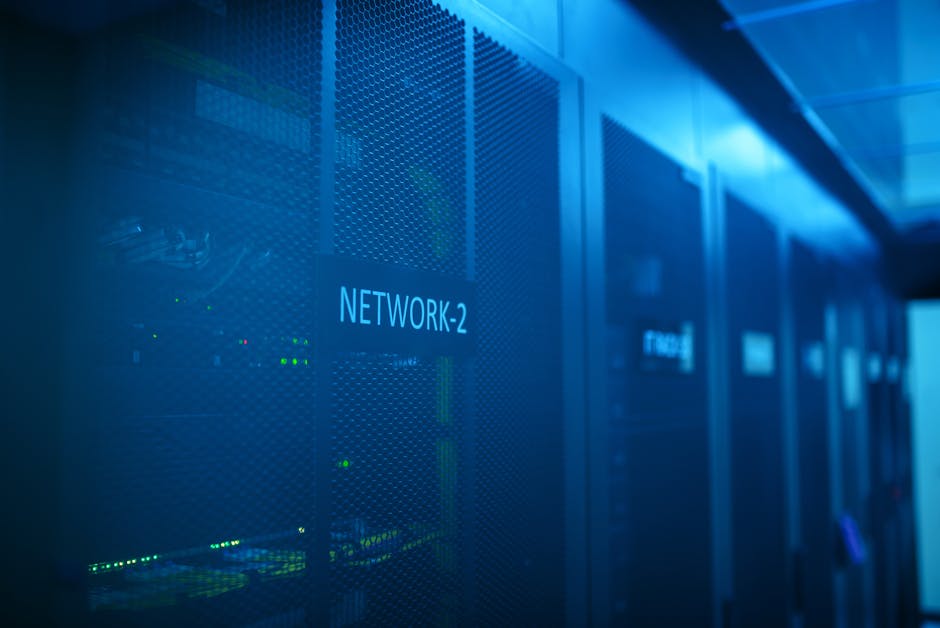
Digital Infrastructure: Investing in the Backbone of the Modern Economy represents one of the most critical shifts in the global financial landscape. As the world transitions from an industrial-led growth model to one fueled by data and connectivity, the physical assets supporting this transformation have become the new “essential utilities.” This sector is no longer a niche play for technology enthusiasts; it is a foundational pillar of The $106 Trillion Global Infrastructure Investment Opportunity: A Comprehensive Guide to Financing and Growth Markets. From hyperscale data centers that power artificial intelligence to the subsea cables and 5G towers that facilitate global communication, digital infrastructure offers long-term, inflation-protected cash flows that are increasingly attractive to institutional and private investors alike.
Analyze financial data and fundamentals for better investment decisions
View Financial DataThe Shift from Traditional to Digital Assets
For decades, infrastructure investment was synonymous with “concrete and steel”—roads, bridges, and power plants. However, the definition of a core asset has expanded. Today, a fiber-optic network is as vital to a city’s economic health as its water system. This shift is driven by the exponential growth of data consumption, which is projected to grow at a compound annual growth rate (CAGR) of over 20% through 2030.
Investors looking for Top Infrastructure Investment Strategies for Long-Term Portfolio Growth are increasingly rotating capital into three primary sub-sectors:
- Data Centers: These are the physical facilities that house the computing power and storage necessary for cloud computing and AI.
- Telecommunications Towers: The essential vertical real estate that enables mobile connectivity and the rollout of 5G networks.
- Fiber Optic Networks: The “highways” of the digital age, providing high-speed internet to homes, businesses, and cell sites.
Why Digital Infrastructure is the New Core Asset
Digital infrastructure shares many characteristics with traditional infrastructure, such as high barriers to entry, long-term contracts, and predictable revenue streams. However, it offers a unique growth kicker that traditional utilities lack. The demand for bandwidth is inelastic; even during economic downturns, businesses and consumers rarely cut their internet or cloud services.
As explored in Infrastructure Growth Markets: Identifying the Next Decade’s High-Yield Regions, emerging economies are skipping traditional wired stages and moving straight to mobile-first digital economies. This creates a massive demand for new towers and localized data centers (Edge Computing) to reduce latency.
Strategic Investment Vehicles
There are several ways to gain exposure to this sector, ranging from liquid public markets to high-barrier private equity.
| Investment Type | Primary Asset Focus | Liquidity Profile | Risk/Reward |
|---|---|---|---|
| Specialized REITs | Data Centers & Cell Towers | High (Publicly Traded) | Moderate / Income-focused |
| Infrastructure ETFs | Diversified Global Assets | High | Broad Market Exposure |
| Private Equity Funds | Fiber Rollouts & Greenfields | Low (10+ year lockup) | High / Growth-focused |
For those preferring a diversified approach, The Role of ETFs in Global Infrastructure Investment Portfolios cannot be overstated. ETFs provide a low-cost entry point into global leaders like Equinix, American Tower, and Crown Castle without the concentration risk of individual stock picking.
Case Study 1: The Rise of Hyperscale Data Centers
A prime example of digital infrastructure’s potential is the rapid expansion of companies like Equinix and Digital Realty. These firms operate “carrier-neutral” data centers where various network providers and cloud giants (like AWS and Azure) interconnect. By positioning themselves as the physical hubs of the internet, they have created a “moat” that is nearly impossible to replicate. Their revenue models are based on long-term leases with built-in rent escalators, providing a hedge against inflation. This alignment with long-term trends is a key part of How to Invest in the $106 Trillion Global Infrastructure Gap, as the demand for “compute” continues to outpace supply.
Case Study 2: Fiber Expansion in Emerging Markets
In many developing regions, the lack of legacy copper wiring has allowed for the rapid deployment of fiber-to-the-home (FTTH). IHS Towers and similar entities in Africa and Southeast Asia are moving beyond just providing cell towers to offering integrated “digital pillars.” They often utilize Public-Private Partnerships (PPPs) to de-risk the initial capital expenditure. By partnering with governments aiming to bridge the digital divide, private investors can secure long-term concessions and dominant market positions in rapidly growing urban centers.
Actionable Insights for Investors
To successfully navigate the digital infrastructure landscape, investors should consider the following steps:
- Assess Power Availability: Data centers are massive energy consumers. Focus on assets that have secured “power priority” or are integrated with renewable energy sources. This aligns with Sustainable Infrastructure: Integrating ESG into Infrastructure Investment Strategies.
- Monitor Interest Rate Sensitivity: Like all capital-intensive industries, digital infrastructure is sensitive to debt costs. Understanding The Impact of Interest Rates on Infrastructure Financing and Asset Valuation is crucial for timing your entry.
- Evaluate Geopolitical Risks: Subsea cables and cross-border data flows are subject to regulatory scrutiny. Diversify across jurisdictions to mitigate regional political shifts, as detailed in Risk Management in Global Infrastructure Investment: Navigating Political and Economic Shifts.
- Look for “Converged” Assets: The most valuable future assets will be those that combine fiber, towers, and edge computing into a single ecosystem, providing a “one-stop shop” for telecommunications providers.
Financing the Digital Future
The scale of investment required to upgrade global networks is immense. We are seeing a move toward Financing the Future: Innovative Infrastructure Financing Opportunities in Emerging Markets, where green bonds and sustainability-linked loans are becoming the norm. Digital infrastructure is uniquely positioned to benefit from these “green” financing tools, as modern data centers can significantly reduce the carbon footprint of the digital economy through efficient cooling and AI-driven energy management.
Conclusion
Digital Infrastructure: Investing in the Backbone of the Modern Economy is no longer a speculative venture; it is an essential component of any resilient investment portfolio. As we have seen, the transition from physical to digital connectivity creates a stable, high-growth environment for those who understand the technical and financial nuances of the sector. By focusing on data centers, fiber, and towers, and by utilizing diverse vehicles like REITs and ETFs, investors can capture a significant share of the value created in the coming decades.
To see how digital assets fit into the broader economic landscape, including transportation, energy, and social infrastructure, revisit our primary guide: The $106 Trillion Global Infrastructure Investment Opportunity: A Comprehensive Guide to Financing and Growth Markets. The digital revolution is just one facet of a massive global rebuilding effort that will define the next century of wealth creation.
Frequently Asked Questions
What exactly qualifies as “digital infrastructure”?
Digital infrastructure refers to the physical assets that enable the storage and transmission of data. This includes data centers, telecommunications towers, fiber-optic cables (terrestrial and subsea), and satellite ground stations.
Is digital infrastructure more or less risky than traditional infrastructure?
It generally shares the same low-risk profile as traditional utilities due to long-term contracts and essential demand. However, it carries a slightly higher risk of “technological obsolescence,” though this is mitigated by the fact that the physical locations (land/rights-of-way) remain valuable even as the hardware is upgraded.
How does the $106 trillion investment gap apply to digital assets?
A significant portion of the $106 trillion gap is attributed to the need for universal high-speed internet and the upgrading of legacy telecommunications networks in both developed and emerging markets to support 5G and AI.
Can individual investors access these assets without millions in capital?
Yes. Publicly traded Real Estate Investment Trusts (REITs) and specialized Infrastructure ETFs allow individual investors to buy shares in large-scale digital assets with the same ease as buying a stock.
What is the impact of Artificial Intelligence on digital infrastructure?
AI is a massive tailwind. It requires significantly more “compute” power and specialized cooling systems in data centers, leading to a surge in demand for high-density data center space and robust fiber connections to handle massive data transfers.
How does ESG play a role in digital infrastructure?
Sustainability is a major focus, specifically regarding the energy consumption of data centers. Investors are increasingly looking for assets that use renewable energy, liquid cooling, and efficient hardware to meet strict environmental standards.