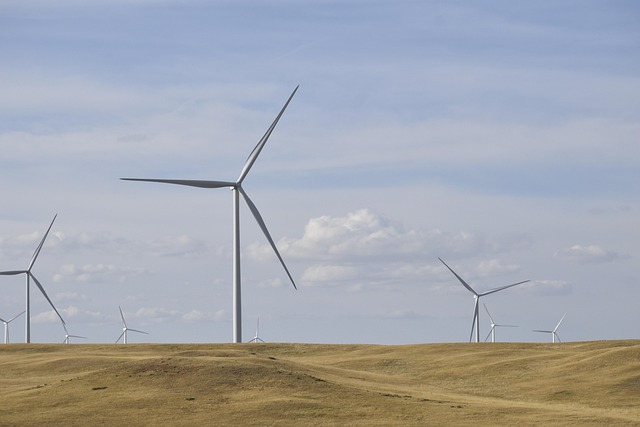
The Global Energy Transition: Investing in the Shift from Coal to Gas and Renewables represents one of the most significant reallocations of capital in modern economic history. As the world moves away from carbon-intensive coal-fired power generation, a complex, multi-decade transformation is unfolding. This shift is not a simple binary move from “dirty” to “clean” energy; rather, it is a sophisticated re-engineering of the global power grid. Investors who understand this nuance are looking closely at The Future of Energy Infrastructure: Investing in Gas Turbines, Renewables, and Data Center Power Solutions to identify where value is being created. The transition relies on a “bridge and backbone” strategy: utilizing natural gas as a flexible bridge to ensure reliability while aggressively scaling renewable energy as the backbone of the future grid.
The Decline of Coal and the Rise of Natural Gas as a Bridge
The primary catalyst for the current energy transition is the systemic retirement of coal-fired power plants. In developed markets, coal has become increasingly uneconomical due to carbon pricing, environmental regulations, and the superior efficiency of modern gas turbine technology. Natural gas emits approximately 50% less CO2 than coal when used for electricity generation, making it the immediate beneficiary of coal’s decline.
For investors, natural gas power generation offers a unique profile: it provides the high-capacity, “always-on” power that modern economies require, especially as industrial demand and AI-driven infrastructure expand. Unlike coal, natural gas plants can be fired up or dialed down quickly, providing the essential “firming” capacity needed to balance the intermittent nature of solar and wind energy.
Renewables: Building the Backbone of the Modern Grid
While gas provides stability, renewable energy sources like wind and solar are the growth engines of the transition. The plummeting costs of photovoltaic cells and turbine components have made renewables the cheapest source of new electricity in most of the world. However, the challenge for investors remains the renewable energy infrastructure itself—specifically, the need for transmission lines and storage.
The integration of renewables and energy storage is critical. Without massive battery arrays or pumped hydro, the surplus energy generated on a windy or sunny day is lost. As a result, the most resilient investment strategies often focus on companies that are building integrated systems rather than pure-play generation assets.
Case Study 1: The United States Power Mix Transformation
Over the last decade, the U.S. has undergone a dramatic shift from coal to natural gas. In 2010, coal accounted for nearly 45% of U.S. electricity generation; by 2023, that number dropped to roughly 16%. During the same period, natural gas climbed to approximately 40%. This shift was driven by the shale revolution, which provided abundant, low-cost gas, and by the deployment of high-efficiency gas turbines.
Investors who identified this trend early benefited from the growth of midstream infrastructure and independent power producers (IPPs) that pivoted away from coal. Today, this same transition is being supercharged by the need for 24/7 power for technology hubs, as data center expansion is driving demand for natural gas and renewables simultaneously.
Case Study 2: Germany’s “Energiewende” and the Reliability Gap
Germany’s energy transition, or Energiewende, offers a cautionary tale and a lesson in infrastructure investment. While Germany successfully built out massive amounts of wind and solar capacity, the premature retirement of coal and nuclear plants created a “reliability gap.” This gap forced a renewed focus on natural gas imports and the development of hybrid energy systems to ensure grid stability during periods of low renewable output.
This scenario highlights why a diversified approach is essential. Investors are increasingly looking at energy infrastructure ETFs to gain exposure to both the “clean” generation and the “reliable” backup systems required to keep a modern economy functioning.
Practical Advice for Investing in the Transition
Navigating the energy transition requires a dual focus on growth and risk management. Here are actionable insights for building a transition-focused portfolio:
- Focus on Multi-Fuel Capacity: Look for utility companies that are converting coal sites to natural gas and solar hybrid facilities. This allows them to reuse existing grid interconnections, which are incredibly valuable assets.
- Monitor Sector Rotations: The energy market is highly cyclical. Using tools for backtesting energy sector rotations can help investors understand when to lean into gas-heavy or renewable-heavy positions based on interest rate environments and commodity prices.
- Prioritize Efficiency and Management: As the grid becomes more complex, AI-driven energy management will be the differentiator between profitable and lagging infrastructure stocks. Companies using software to optimize when to draw from gas vs. batteries will lead the market.
The Role of Data Centers in the Transition
A major driver of the shift from coal to gas and renewables is the unprecedented demand for electricity from the tech sector. Data centers require massive, uninterrupted power loads that coal can no longer provide due to ESG mandates, and that renewables cannot yet provide on a standalone basis due to intermittency. This has created a “perfect storm” for natural gas, which acts as the primary reliable power source for these facilities until long-duration storage matures. The convergence of AI, data infrastructure, and the energy transition is perhaps the most compelling investment theme of the decade.
Conclusion
The global energy transition is a marathon, not a sprint. The shift from coal to natural gas and renewables is driven by a combination of economic efficiency, environmental necessity, and the massive power demands of the digital age. By focusing on the synergy between flexible gas generation and scalable renewable assets, investors can position themselves for long-term growth. Understanding the interplay of these technologies is the cornerstone of The Future of Energy Infrastructure: Investing in Gas Turbines, Renewables, and Data Center Power Solutions. As coal continues to exit the stage, the combination of gas turbines and renewable infrastructure will form the bedrock of the 21st-century economy.
Frequently Asked Questions
1. Why is natural gas considered a “bridge fuel” in the energy transition?
Natural gas is called a bridge fuel because it produces significantly less carbon dioxide and pollutants than coal, but unlike wind and solar, it can provide reliable, dispatchable power regardless of weather conditions. It allows nations to reduce emissions immediately while the infrastructure for a fully renewable grid is being developed.
2. How does the shift from coal affect energy grid stability?
Coal plants traditionally provided “baseload” power. As they are retired, the grid loses that constant supply, making it more dependent on intermittent renewables. This creates a need for gas turbines and battery storage to provide “firming” power to prevent blackouts and maintain frequency stability.
3. Are gas turbines compatible with a net-zero future?
Modern gas turbines are increasingly being designed to run on hydrogen or “green” gas blends. This makes them a long-term infrastructure play, as the hardware currently burning natural gas could eventually transition to zero-carbon fuels.
4. What role do data centers play in the transition from coal?
Data centers require 24/7 “five-nines” reliability. Since coal is being phased out for ESG reasons and renewables are intermittent, data center operators are increasingly signing contracts for natural gas power integrated with renewable offsets to meet their massive energy needs.
5. What are the biggest risks when investing in the energy transition?
The primary risks include regulatory changes, such as the sudden removal of renewable subsidies or stricter emissions caps on gas, and infrastructure bottlenecks, such as the long lead times required to build new transmission lines to connect remote wind farms to cities.
6. Is it better to invest in pure-play renewable stocks or diversified energy companies?
Diversified energy companies often offer more stability because they balance the high growth of renewables with the steady cash flows of natural gas and midstream assets. Pure-play stocks can be more volatile and sensitive to interest rate changes.
7. How does AI improve the transition to gas and renewables?
AI is used to predict energy demand and weather patterns, allowing grid operators to optimize when to use gas turbines and when to draw from battery storage. This increases the efficiency of the entire system and improves the ROI for infrastructure investors.