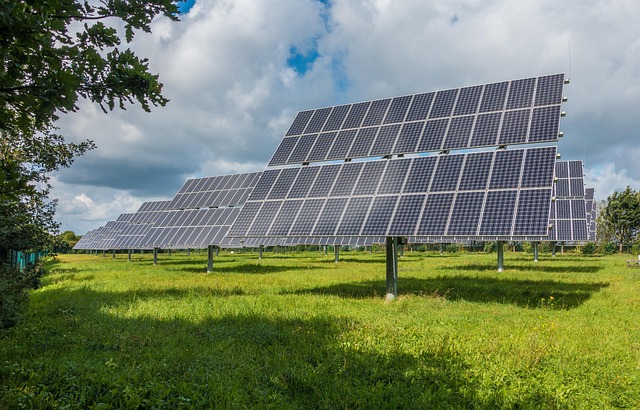
The rapid transition toward a decarbonized power grid has highlighted a critical challenge: the intermittency of wind and solar power. To address this, **The Synergy of Renewables and Energy Storage: Top Stocks to Watch** has become a focal point for investors navigating the evolving landscape of global utilities and technology. As we explore The Future of Energy Infrastructure: Investing in Gas Turbines, Renewables, and Data Center Power Solutions, it is evident that the marriage of generation and storage is no longer a luxury—it is a functional necessity for grid stability and the primary driver of capital expenditure in the energy sector for the next decade.
The Fundamental Drivers of the Renewables-Storage Synergy
The core of this synergy lies in “firming” renewable energy. Solar and wind are variable resources; storage systems, primarily Lithium-ion Battery Energy Storage Systems (BESS), capture excess energy during peak production and discharge it when demand spikes or production drops. This relationship is being accelerated by several factors:
- Grid Modernization: Aging infrastructure is struggling to handle the bi-directional flow of modern energy. Renewables plus storage provide the flexibility needed for Renewable Energy Infrastructure: Building the Backbone of the Modern Grid.
- Regulatory Incentives: In the United States, the Inflation Reduction Act (IRA) provides significant tax credits for standalone storage and hybrid projects, drastically improving the internal rate of return (IRR) for developers.
- Data Center Demand: The AI revolution requires 24/7 “five-nines” reliability. Large-scale battery arrays are increasingly paired with gas turbines to ensure data centers remain operational regardless of weather conditions.
Top Stocks to Watch in the Renewable and Storage Space
When evaluating stocks in this sector, investors should distinguish between diversified utilities, pure-play technology providers, and integrated energy giants. Below are the key players shaping the synergy:
| Company | Ticker | Primary Focus | Strategic Advantage |
|---|---|---|---|
| NextEra Energy | NEE | Utility & Renewables | Largest owner of solar/wind and a pioneer in massive battery pairing. |
| Tesla | TSLA | Energy Storage (Megapack) | Rapidly growing energy division with high-margin hardware and software. |
| Fluence Energy | FLNC | Energy Storage Solutions | A pure-play on BESS hardware and AI-driven bidding software. |
| Enphase Energy | ENPH | Residential Storage | Leader in microinverters and home battery ecosystems. |
NextEra Energy (NEE): The Infrastructure Titan
NextEra Energy remains the gold standard for renewable integration. Through its subsidiary, NextEra Energy Resources, the company has successfully paired massive solar farms with battery storage to provide “near-firm” power. This allows them to compete directly with natural gas power generation in terms of reliability while maintaining a lower carbon footprint.
Tesla (TSLA): More Than an Automaker
While often viewed as a car company, Tesla’s “Energy Generation and Storage” segment is growing at a faster clip than its automotive arm. Their Megapack product is the industry standard for utility-scale storage, providing a turnkey solution for grid operators. Tesla’s software, Autobidder, is also a prime example of AI-driven energy management, optimizing when to buy and sell electricity to the grid.
Case Studies in Energy Synergy
Case Study 1: The Moss Landing Energy Storage Facility
Vistra Corp (VST) transformed a former gas-fired power plant site into one of the world’s largest battery storage facilities at Moss Landing. By leveraging existing interconnection infrastructure, Vistra demonstrated how “brownfield” sites can be repurposed to support the global energy transition from coal and gas to storage-backed renewables. This project provides critical peak capacity to the California grid without the emissions of a traditional peaker plant.
Case Study 2: Florida Power & Light’s Manatee Energy Storage Center
Owned by NextEra Energy, this facility is powered by an adjacent solar array. It replaced two aging natural gas units, proving that large-scale solar plus storage can effectively handle the “duck curve” (the timing imbalance between peak solar production and peak evening demand). This serves as a blueprint for hybrid energy systems that are increasingly essential for modern grid stability.
Strategic Insights for Investors
Investing in this synergy requires an understanding of market cycles and geographical regulatory environments. Investors should consider the following practical advice:
- Monitor Interest Rates: Renewables and storage projects are capital-intensive. Lower rates generally act as a tailwind for project financing and stock valuations.
- Look for Software Integration: Hardware is becoming commoditized. Companies like Fluence Energy and Tesla that offer sophisticated software to manage the “dispatch” of energy often have higher margins and deeper “moats.”
- Diversification is Key: Because individual stocks can be volatile, many investors look toward energy infrastructure ETFs to gain exposure to the entire value chain, from lithium mining to utility deployment.
- Analyze Sector Rotations: Using backtesting for energy sector rotations can help determine whether current market conditions favor defensive gas utilities or growth-oriented renewable/storage stocks.
The Role of Data Centers as a Catalyst
The expansion of AI and cloud computing is a massive driver for this synergy. Large tech firms (Hyperscalers) have aggressive net-zero goals, yet their facilities require 24/7 power. This has led to a surge in demand for co-located solar and storage. We are seeing a trend where data center expansion is driving demand for both natural gas and renewables, with storage acting as the bridge that allows these data centers to utilize clean energy even when the sun isn’t shining.
Conclusion
The Synergy of Renewables and Energy Storage: Top Stocks to Watch represents the vanguard of the modern utility sector. By solving the intermittency problem, storage transforms wind and solar from “variable” sources into “reliable” assets. For investors, the opportunity lies in identifying the companies that own the most efficient assets or provide the critical technology—like AI-managed battery systems—that the grid requires. As the transition accelerates, the integration of these technologies will be the defining feature of The Future of Energy Infrastructure: Investing in Gas Turbines, Renewables, and Data Center Power Solutions. Success in this sector requires a balanced view of both the hardware on the ground and the software that manages the flow of electrons across an increasingly complex grid.
Frequently Asked Questions (FAQ)
1. Why is energy storage considered “the missing link” for renewable energy?
Renewables like solar and wind only produce energy when the sun shines or the wind blows. Storage allows this energy to be saved and used during periods of high demand, making renewables a reliable, “firm” source of power for the grid.
2. What are the best metrics to use when evaluating renewable and storage stocks?
Investors should look at the “Backlog” (total value of signed contracts), “MW under management,” and “Gross Margins” on hardware vs. software. For utilities, “Rate Base Growth” and “Regulatory ROE” (Return on Equity) are critical.
3. How does the expansion of AI data centers impact these stocks?
Data centers require massive amounts of constant power. To meet sustainability goals, operators are signing Power Purchase Agreements (PPAs) that specifically include solar plus storage, creating a massive new customer base for companies like NextEra and Tesla.
4. Can energy storage replace natural gas turbines entirely?
In the short term, no. While storage is excellent for short-duration needs (4-8 hours), natural gas turbines still provide necessary long-duration “baseload” power. The two often work together in hybrid energy systems.
5. What is the biggest risk to investing in the energy storage sector?
Supply chain constraints (especially for lithium and rare earth minerals) and interest rate sensitivity are the primary risks. Additionally, rapid technological changes could make current battery chemistries obsolete if a breakthrough in solid-state or flow batteries occurs.
6. Are there specific ETFs for this synergy?
Yes, ETFs like ICLN (Renewables) or LIT (Lithium & Battery Tech) provide exposure, but it is often better to look for broad energy infrastructure ETFs that include utilities and grid technology providers.
7. How do “Sector Rotations” affect my renewable stock portfolio?
In volatile markets, investors often rotate between “Growth” (renewables/tech) and “Value” (traditional gas utilities). Understanding sector rotations can help you time your entries and exits more effectively.