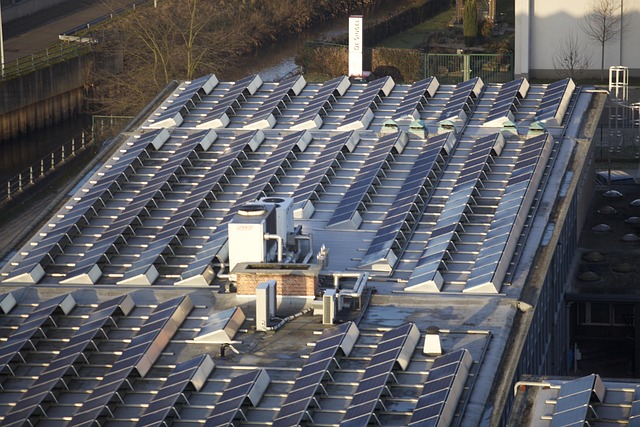
As the artificial intelligence revolution accelerates, the primary bottleneck for tech giants is no longer just chip availability, but the massive power requirements of next-generation GPU clusters. To maintain sustainability targets while ensuring 24/7 uptime, the industry is aggressively pivoting toward Renewable Energy Storage Solutions for AI Data Centers. While solar and wind provide carbon-free electrons, their intermittent nature is incompatible with the “always-on” requirement of high-performance computing. This creates a massive “picks and shovels” investment opportunity in the infrastructure required to bridge the gap between variable generation and constant demand. For investors following The Ultimate Guide to Picks and Shovels Energy Investing for the AI Revolution in 2026, energy storage represents the essential link that makes the entire green AI ecosystem viable.
Validate your strategy with instant backtesting
Backtest LibraryThe Critical Role of Energy Storage in AI Infrastructure
AI data centers differ from traditional cloud facilities in their power density and load profiles. Large Language Models (LLMs) require sustained, high-intensity power for training cycles that can last weeks or months. Any fluctuation in power quality or a momentary outage can result in millions of dollars in lost compute time. Consequently, Renewable Energy Storage Solutions for AI Data Centers are shifting from being “optional green additions” to becoming “mission-critical infrastructure.”
The transition is driven by the need to decouple power consumption from grid volatility. As data center operators face stricter ESG mandates, they can no longer rely solely on the role of natural gas in bridging the AI power gap. Instead, they are deploying sophisticated Battery Energy Storage Systems (BESS) and Long-Duration Energy Storage (LDES) to store excess renewable energy generated during the day for use during peak evening hours or periods of low wind activity.
Leading Technologies in Renewable Energy Storage
To understand where the investment value lies, it is important to categorize the primary technologies currently being deployed or piloted by major hyperscalers:
- Lithium-Ion BESS: The current industry standard for short-duration storage (2-4 hours). These systems are vital for frequency regulation and immediate backup. However, they rely heavily on copper and critical minerals, making them sensitive to supply chain fluctuations.
- Iron-Flow Batteries: An emerging LDES solution that offers 6-12+ hours of storage. Unlike lithium-ion, flow batteries do not degrade over thousands of cycles and use non-toxic, abundant materials, making them ideal for long-term data center scaling.
- Green Hydrogen: By using excess renewable energy to power electrolyzers, data centers can create hydrogen fuel cells for long-term backup power, potentially replacing diesel generators entirely.
- Thermal Energy Storage: Using “ice storage” or molten salts to manage the immense cooling requirements of AI chips, effectively “storing” cold energy to reduce peak electricity demand.
For those looking to diversify, understanding these technical nuances is a key part of a strategic roadmap to invest in AI power demand.
Case Studies: Renewable Storage in Action
Real-world implementations provide a blueprint for how Renewable Energy Storage Solutions for AI Data Centers will scale toward 2026. Two specific examples highlight the diversity of the approach:
| Company | Project Detail | Impact |
|---|---|---|
| Google / NV Energy | Deployment of a 128 MW battery storage system paired with a solar farm in Nevada. | Ensures the local data center maintains high carbon-free energy percentages during non-sunny hours. |
| Microsoft / Plug Power | Successful pilot of a 3-megawatt hydrogen fuel cell system to replace backup diesel generators. | Demonstrated that green hydrogen can provide the high-density backup power required for AI-grade uptime. |
These projects illustrate that the market is moving beyond theoretical pilots. The demand for reliable green power is forcing a massive capital expenditure cycle into storage assets, creating a tailwind for top AI energy infrastructure stocks.
Actionable Investment Insights for 2026
Investing in the “storage layer” of the AI revolution requires a nuanced approach. While the focus is often on the battery manufacturers themselves, the broader ecosystem includes thermal management, power conversion systems, and software orchestrators. Software is particularly important; AI data centers require Smart Grid Technology to manage the bidirectional flow of energy between the storage assets, the onsite renewables, and the utility grid. You can explore this further in our guide on Smart Grid technology as the backbone of AI demand.
To mitigate risks, investors should consider the following steps:
- Focus on LDES: Short-duration lithium batteries are a crowded trade. Long-duration storage technologies (8+ hours) are the next frontier for 24/7 carbon-free compute.
- Monitor Material Supply Chains: The viability of storage depends on the availability of raw materials. Refer to copper and critical mineral plays to ensure the underlying hardware can be built at scale.
- Analyze Regional Power Constraints: Data centers in regions like Virginia (Data Center Alley) or Dublin are facing grid caps. Storage solutions that allow for “peak shaving” in these regions will command premium valuations.
- Hedge Against Volatility: The energy infrastructure sector can be cyclical. Implementing risk management strategies for volatile energy stocks is essential for long-term capital preservation.
Integrating Storage with Other Power Sources
While renewables and storage are the primary focus for sustainability, they are often part of a hybrid strategy. For instance, some operators are looking at nuclear energy and the hidden infrastructure opportunity it provides for baseload power, using storage to manage the ramp-up and ramp-down periods of the facility. Additionally, quant-driven investors might find value in backtesting energy sector rotations to determine the optimal timing for entering storage-heavy utilities versus raw material producers.
The ultimate goal for these data centers is “Energy Autonomy”—the ability to operate independently of grid fluctuations while remaining 100% green. This makes Renewable Energy Storage Solutions for AI Data Centers one of the best picks and shovels plays for the next decade of energy.
Conclusion: The Future of AI is Stored Energy
By 2026, the success of the AI revolution will be measured not just by FLOPs and model parameters, but by the efficiency and reliability of the power systems supporting them. Renewable Energy Storage Solutions for AI Data Centers are the indispensable bridge that allows intermittent green energy to power the most demanding workloads in human history. From iron-flow batteries to green hydrogen fuel cells, the storage sector is ripe with “picks and shovels” opportunities for the discerning investor. As you refine your portfolio, remember that the hardware inside the data center is only as good as the energy system supporting it. For a comprehensive view of how this fits into the larger macro trend, revisit The Ultimate Guide to Picks and Shovels Energy Investing for the AI Revolution in 2026.
Frequently Asked Questions
- Why is energy storage more critical for AI data centers than traditional data centers? AI training workloads are significantly more power-intensive and sensitive to interruptions. Storage ensures that the “spiky” nature of renewable energy doesn’t crash a weeks-long training session, providing the stability required for high-density compute.
- What is the most promising long-duration storage technology for 2026? While Lithium-ion dominates today, Iron-flow batteries and liquid air energy storage are gaining traction for AI facilities because they offer 8-12 hours of discharge without the degradation issues or fire risks associated with lithium.
- How do storage solutions impact the “Picks and Shovels” investment thesis? Storage is a foundational “shovel.” Without it, the “pick” (the AI chip) cannot function on a green grid. This creates a mandatory market for the components, minerals, and software that govern energy storage.
- Can green hydrogen realistically replace backup diesel generators by 2026? Pilots by Microsoft and others have proven the technical feasibility. The transition by 2026 will likely be seen in “Greenfield” projects (new builds) where hydrogen infrastructure can be integrated from the ground up, though it remains more expensive than traditional BESS for short-term needs.
- How does storage interact with the Smart Grid in an AI context? Storage units act as buffers that allow data centers to participate in “demand response” programs. By using stored energy during grid stress, data centers can actually earn revenue back from the utility, turning a cost center into a potential profit center.