The modern battlefield is undergoing a radical transformation, moving away from heavy, expensive platforms toward low-cost, high-impact precision instruments. Central to this shift is the rise of “kamikaze drones,” or loitering munitions, which have proven their lethality and cost-effectiveness in recent global conflicts. For investors looking to navigate the next generation of military procurement, identifying Top Loitering Munitions Stocks: Capitalizing on the Rise of Kamikaze Drones is essential for building a portfolio aligned with The Future of Defense Tech: Investing in Asymmetric Warfare, Space, and Autonomous Systems for 2026. These systems represent a convergence of aerospace engineering, artificial intelligence, and cost-efficient manufacturing, offering a unique entry point into the defense sector’s most rapidly expanding niche.
The Strategic Shift: Why Loitering Munitions are the New Artillery
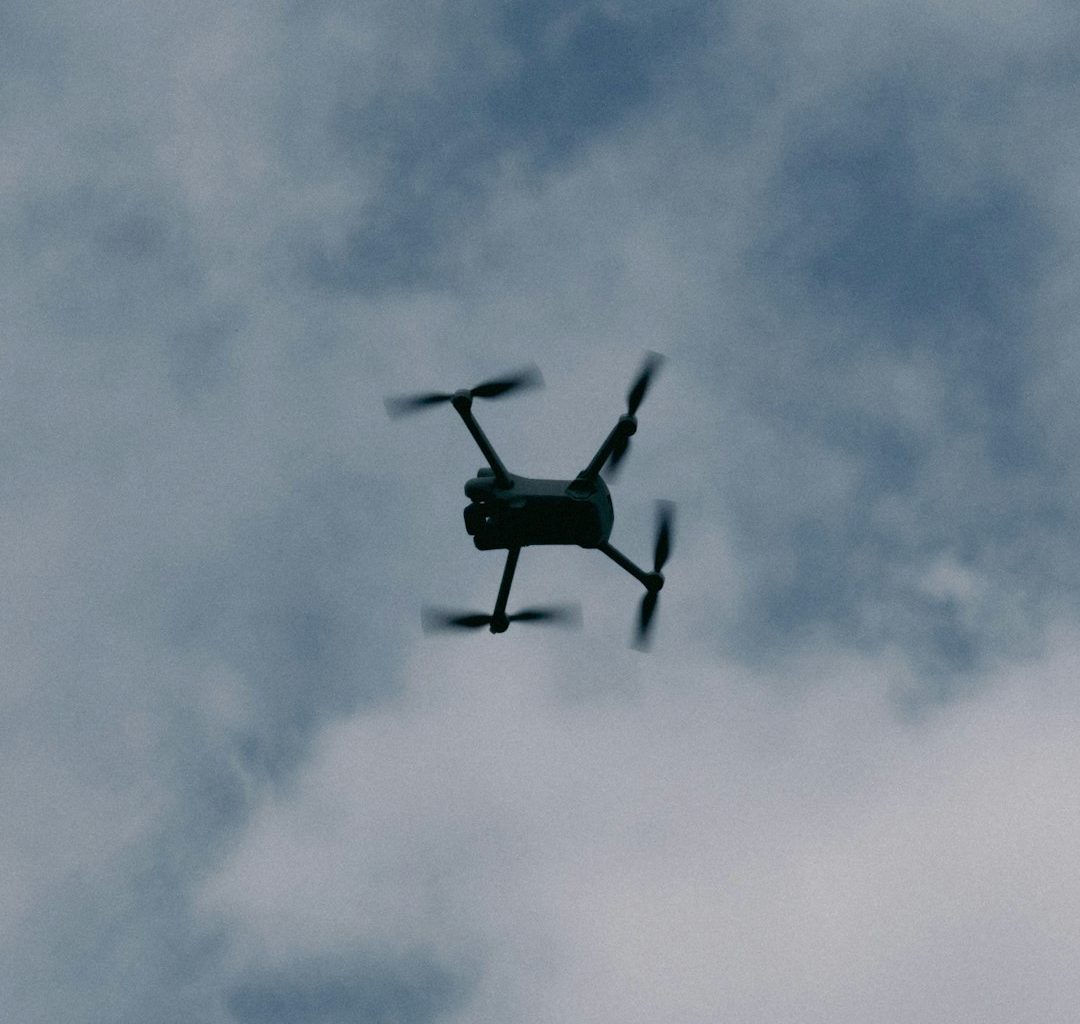
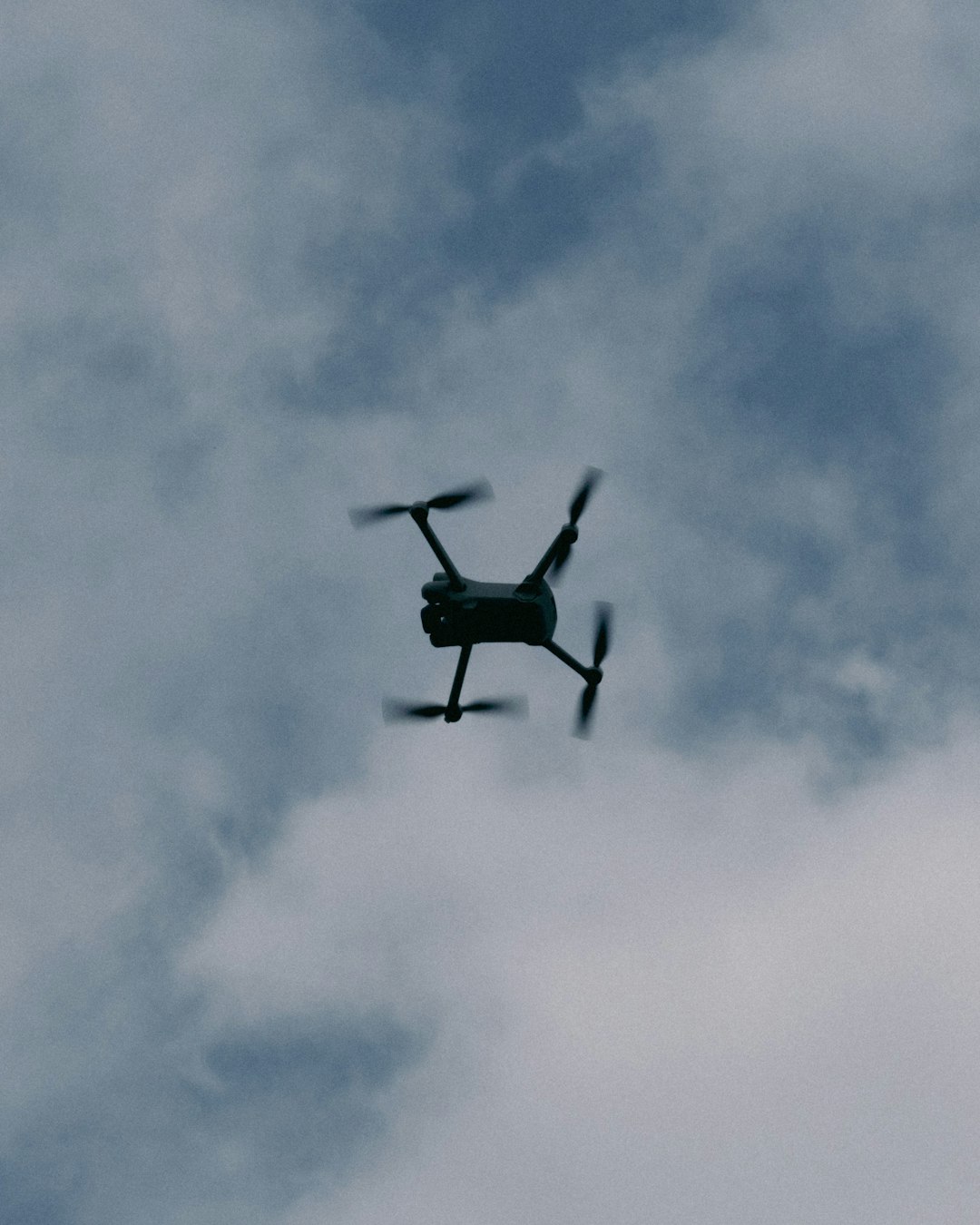
Loitering munitions are a hybrid between a cruise missile and an unmanned aerial vehicle (UAV). Unlike traditional missiles that are fired at a specific coordinate, loitering munitions can “linger” over a target area, searching for specific signatures before striking with high precision. This capability is the cornerstone of Asymmetric Warfare Stocks to Watch in 2026, as it allows smaller forces to disable much larger, more expensive assets like tanks and radar installations.
The demand for these systems is driven by three primary factors:
- Cost-Efficiency: A single loitering munition costing $50,000 can destroy a main battle tank worth $10 million.
- Precision and Reduced Collateral: Real-time operator feedback allows for “wave-off” capabilities if non-combatants enter the strike zone.
- AI Integration: Modern systems use machine learning to identify targets autonomously, a trend detailed in our guide on AI in Modern Warfare: How Machine Learning Powers Autonomous Munitions.
Top Loitering Munitions Stocks to Watch
While many defense giants are entering this space, a few specific companies have established a dominant lead in the research, development, and deployment of kamikaze drones. Below are the key players categorized by their market position and technological edge.
| Company | Ticker | Key Platform | Market Focus |
|---|---|---|---|
| AeroVironment | AVAV | Switchblade 300/600 | Tactical Infantry & Armor Piercing |
| Elbit Systems | ESLT | Harpy / Harop | Long-range & Anti-Radiation |
| Kratos Defense | KTOS | Tactical UAVs | High-speed, Low-cost Attritable Drones |
| Northrop Grumman | NOC | Hero Series (Partner) | Large-scale Integration |
1. AeroVironment (AVAV)
AeroVironment is arguably the “pure play” leader in this sector. Their Switchblade series has become synonymous with kamikaze drones. The Switchblade 300 is designed for anti-personnel use, while the Switchblade 600 carries an anti-armor warhead capable of neutralizing tanks. As the U.S. Army integrates these into standard squad-level equipment, AeroVironment’s revenue visibility remains strong through 2026.
2. Elbit Systems (ESLT)
An Israeli defense powerhouse, Elbit Systems produces some of the most sophisticated loitering munitions in the world. Their Harop system is a larger, long-range drone that can stay airborne for up to nine hours. It is specifically designed to hunt and destroy enemy air defense systems, making it a critical asset for suppressing enemy capabilities before a larger assault.
3. Kratos Defense & Security Solutions (KTOS)
Kratos focuses on “attritable” systems—drones that are cheap enough to be lost in combat but sophisticated enough to provide high value. While they are known for target drones, their pivot toward tactical loitering systems is significant. Investors should monitor how Kratos integrates Drone Swarm Technology into their platforms, which could allow a single operator to overwhelm enemy defenses with dozens of munitions simultaneously.
Case Study 1: The Switchblade in Eastern Europe
The conflict in Ukraine served as a definitive “proof of concept” for loitering munitions. Thousands of AeroVironment’s Switchblade units were deployed, demonstrating that infantry units could possess the striking power of heavy artillery without the logistical footprint. This real-world data has led to a massive uptick in international orders, proving that these systems are no longer experimental but essential for modern defense budgets.
Case Study 2: The Nagorno-Karabakh Precedent
During the 2020 Nagorno-Karabakh conflict, Azerbaijani forces utilized Elbit’s Harop munitions to devastating effect. The drones were used to loiter over the battlefield and strike radar sites as soon as they were activated. This forced the opposition to keep their air defenses offline, effectively ceding control of the skies. This case study highlights the strategic value of “anti-radiation” loitering munitions in neutralizing sophisticated defense networks.
Actionable Insights for Investors in 2026
Investing in this space requires more than just picking a stock; it requires understanding the ecosystem. As loitering munitions become more prevalent, the market for counter-measures will also explode. Wise investors should balance their portfolio by looking at Counter-UAS Market Growth and exploring Directed Energy Weapons as a hedge against drone dominance.
Consider the following tactical moves:
- Analyze “Small-Cap” Potential: While the majors dominate, niche players often provide higher growth. See our analysis on The Role of Small-Cap Defense Tech for more.
- Monitor Space Connectivity: Loitering munitions rely on GPS and satellite links. The Space Industry Outlook 2026 suggests that satellite providers will be the backbone of drone communication.
- Geopolitical Catalysts: Tensions in the South China Sea or the Middle East serve as immediate catalysts for procurement orders. Use Risk Management in Defense Investing to navigate the resulting volatility.
The Convergence of Sensors and Munitions
The future of this sector lies in the integration of multi-domain awareness. High-end loitering munitions are now being designed to relay intelligence back to the command center before they strike, essentially acting as temporary surveillance assets. This makes Space-Based Intelligence and Surveillance data integration vital for the next generation of kamikaze drones, allowing for over-the-horizon targeting with unprecedented accuracy.
Conclusion: Capitalizing on the Asymmetric Edge
The rise of loitering munitions is not a passing trend; it is a fundamental shift in how wars are fought and won. By focusing on Top Loitering Munitions Stocks: Capitalizing on the Rise of Kamikaze Drones, investors are positioning themselves at the leading edge of a multi-billion dollar procurement cycle. Companies like AeroVironment, Elbit, and Kratos are no longer just drone makers; they are the architects of a new era of precision warfare. As we look toward 2026, the integration of AI, swarming capabilities, and satellite-linkage will only increase the value of these platforms. To understand the full scope of this revolution, revisit our comprehensive guide on The Future of Defense Tech: Investing in Asymmetric Warfare, Space, and Autonomous Systems for 2026, where we detail how these autonomous systems fit into the broader geopolitical landscape.
Frequently Asked Questions
1. What exactly makes a drone a “loitering munition” compared to a standard UAV?
A loitering munition is specifically designed to be “expendable” and carries an integrated explosive warhead. While a standard UAV (like a Predator) returns to base after firing a missile, a loitering munition *is* the missile, staying airborne to search for a target before crashing into it.
2. Which companies are the leaders in loitering munitions stocks for 2026?
AeroVironment (AVAV) is the current market leader in tactical systems, while Elbit Systems (ESLT) dominates the long-range and anti-radiation market. Kratos Defense (KTOS) is also a significant player focusing on low-cost, high-performance attritable systems.
3. How does AI impact the valuation of these stocks?
AI is a massive value multiplier. Systems that can identify and prioritize targets autonomously in “GPS-denied” environments are more valuable to military buyers, as they can bypass traditional electronic jamming techniques.
4. Are kamikaze drones relevant to the “Space” aspect of defense tech?
Yes. Loitering munitions often rely on low-earth orbit (LEO) satellites for communication, targeting data, and navigation. Companies providing orbital infrastructure are essential partners for drone manufacturers.
5. What are the biggest risks when investing in loitering munitions?
The primary risks include rapid technological obsolescence, changes in government defense budgets, and the emergence of effective Counter-UAS technologies, such as high-powered lasers or electronic warfare jammers.
6. How do loitering munitions fit into the “Asymmetric Warfare” investment theme?
They are the ultimate asymmetric tool because they allow a lower-budget force to destroy high-value assets. This makes them a priority for both major powers and smaller nations looking to enhance their defensive posture against superior conventional forces.
7. Is there a role for small-cap companies in this market?
Absolutely. Many small-cap firms specialize in the sub-components—such as specialized sensors, miniaturized engines, or AI algorithms—that make these drones effective. These firms are often prime targets for acquisition by larger defense contractors.