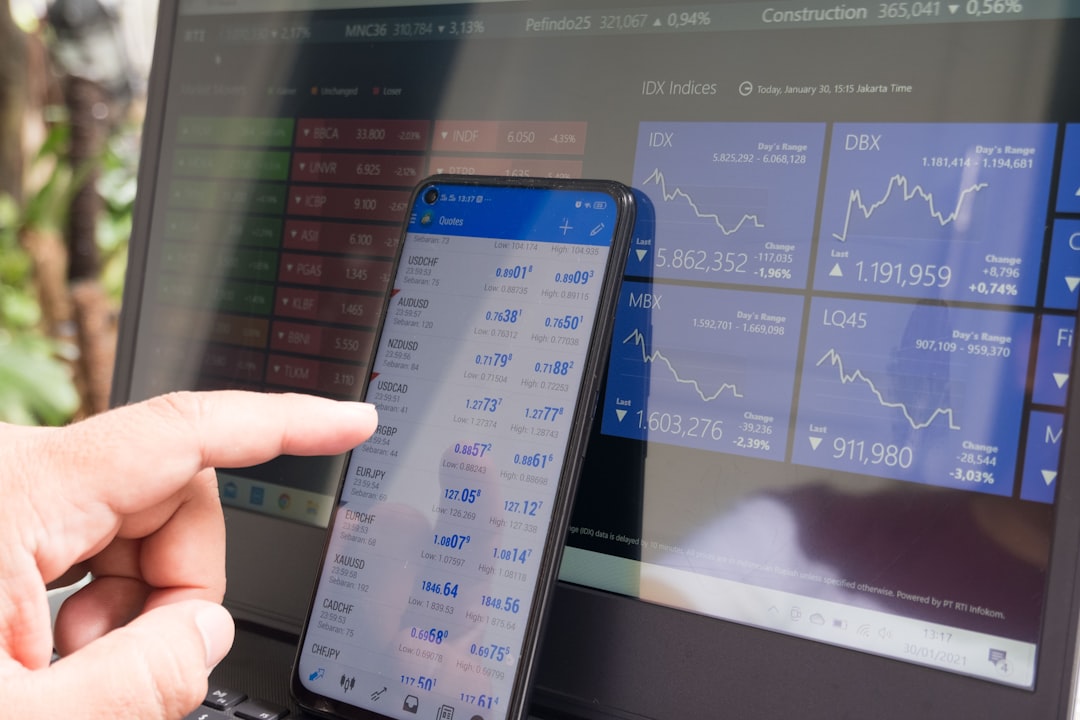
Learning how to trade satellite communication stocks using technical indicators is a vital skill for investors looking to capitalize on the rapid expansion of the orbital economy. While fundamental analysis tells you what to buy, technical analysis helps you determine when to buy or sell. Given the high volatility often associated with aerospace and satellite sectors, relying on price action patterns and mathematical indicators can provide the necessary discipline to navigate these turbulent markets. This guide functions as a specialized deep dive within our broader resource, The Ultimate Guide to Investing in Space Technology and Satellite Communication Stocks, focusing on actionable charting strategies for the modern space trader.
Validate your strategy with instant backtesting
Backtest LibraryThe Role of Technical Analysis in Satellite Communications
The satellite communication (SatCom) sector is unique because it combines long-term infrastructure plays with high-stakes technological milestones. A single launch failure or a successful multi-billion dollar contract can send stock prices swinging by double digits. In such an environment, technical indicators serve as a “reality check” against the hype.
Traders often face significant emotional hurdles when dealing with the “New Space” race. Understanding the trading psychology in the high-stakes space industry is crucial; technical indicators provide an objective framework that removes emotion from the decision-making process. By focusing on support, resistance, and momentum, traders can avoid “FOMO” (Fear Of Missing Out) during vertical rallies and maintain composure during sharp pullbacks.
Using Trend Indicators: Moving Averages and MACD
Trend-following is perhaps the most effective way to approach SatCom stocks. Because many of these companies are in a growth phase, their stocks tend to “trend” strongly once a direction is established.
- Simple Moving Averages (SMA): The 50-day and 200-day SMAs are the gold standards. A “Golden Cross” (50-day crossing above the 200-day) often signals a long-term bullish shift for companies involved in LEO satellite constellation manufacturing.
- Moving Average Convergence Divergence (MACD): This indicator helps identify changes in the strength, direction, momentum, and duration of a trend. When the MACD line crosses above the signal line, it provides a powerful buy signal for stocks reacting to positive news, such as new developments from Starlink competitors and LEO stocks.
Momentum Oscillators: Timing Your Entry and Exit
While moving averages help you identify the trend, oscillators like the Relative Strength Index (RSI) help you time your entries within that trend. Satellite stocks frequently become “overbought” following successful satellite deployments or government contract wins.
If the RSI of a SatCom stock rises above 70, it may be time to implement options trading strategies for high-volatility space stocks to hedge your position. Conversely, an RSI below 30 often indicates an “oversold” condition, potentially presenting a buying opportunity for long-term investors.
Volume Analysis and Support/Resistance
In the satellite industry, volume often precedes price. A breakout on high volume suggests that institutional investors are moving into the stock. This is particularly relevant when tracking Top Space Situational Awareness (SSA) stocks, where liquidity can fluctuate based on geopolitical tensions.
| Indicator | Best Use Case | Signal to Watch |
|---|---|---|
| Volume | Breakout Confirmation | Above-average volume on price increases. |
| Support/Resistance | Identifying Floor/Ceiling | Previous price peaks and troughs. |
| Bollinger Bands | Volatility Measurement | Price touching the lower band during a squeeze. |
Case Study 1: Trading the “Golden Cross” in Iridium (IRDM)
Iridium Communications (IRDM) provides a classic example of how technical indicators can validate a long-term investment thesis. In early 2022, IRDM saw its 50-day SMA cross above its 200-day SMA. For a trader using technical analysis, this “Golden Cross” confirmed that the stock had moved out of its consolidation phase and into a sustained bull run. By combining this technical signal with news about their growing LEO constellation services, traders could have entered a position with high confidence, using the 200-day SMA as a dynamic stop-loss level.
Case Study 2: RSI Divergence in Viasat (VSAT)
Viasat (VSAT) has experienced significant volatility due to technical anomalies in its satellite launches. During one such period, the stock price hit a “lower low,” while the RSI indicator hit a “higher low.” This phenomenon, known as bullish divergence, suggested that the selling pressure was exhausting despite the negative headlines. Traders who spotted this divergence were able to anticipate a relief rally before the fundamental news cycle had fully turned positive.
Advanced Strategies: Backtesting and AI Integration
For the sophisticated trader, manual charting is only the beginning. Backtesting a space sector rotation strategy allows you to see how certain technical indicators would have performed historically in this specific niche.
Furthermore, the integration of modern technology is changing how we interpret data. For instance, the role of AI and ML models in space situational awareness data analysis is now being mirrored in the financial world. Quantitative traders are using AI to scan technical patterns across the entire aerospace and defense sector, identifying correlations that the human eye might miss.
Integrating Macro Events with Technical Signals
No technical indicator exists in a vacuum. In the satellite world, government spending is the ultimate catalyst. When analyzing the Space Force Budget 2026, traders should look for technical breakouts that coincide with budget approvals. If a defense contractor’s stock breaks above a 52-week high resistance level just as Space Force funding is announced, the technical breakout is significantly “de-risked.”
For those looking to hedge against these large-scale shifts, futures trading in aerospace and defense offers a way to manage exposure to broader budget shifts while using individual stock technicals for specific satellite plays.
Conclusion
Mastering how to trade satellite communication stocks using technical indicators allows you to move beyond speculation and toward a systematic trading approach. By utilizing trend indicators like Moving Averages, momentum tools like RSI, and volume analysis, you can better time your entries and exits in this high-growth sector. Remember that technicals work best when paired with a solid understanding of market catalysts—from LEO constellation launches to government budget cycles.
For a more comprehensive view of the industry, including fundamental analysis and long-term market trends, be sure to return to The Ultimate Guide to Investing in Space Technology and Satellite Communication Stocks.
Frequently Asked Questions
1. What is the single best technical indicator for satellite stocks?
There is no single “best” indicator, but the 200-day Simple Moving Average (SMA) is widely considered the most important for identifying the long-term trend in the capital-intensive satellite industry.
2. How do I handle high volatility when trading space stocks?
Using Average True Range (ATR) can help you set wider stop-losses that account for the sector’s natural volatility, preventing you from being “stopped out” by minor price fluctuations.
3. Why does volume matter so much in the SatCom sector?
High volume on a price breakout often indicates institutional accumulation, which is necessary to sustain long-term moves in high-market-cap stocks like those in the satellite industry.
4. Can technical indicators predict satellite launch failures?
No, technical indicators cannot predict physical events like launch failures, but they can show you where support levels lie, helping you find potential “buy the dip” levels after a crash.
5. How does the Space Force budget affect technical patterns?
Major budget announcements often act as the catalyst for “breakouts” or “breakdowns” from established technical patterns like triangles or rectangles.
6. What is the role of RSI in trading Starlink competitors?
RSI helps you identify if a Starlink competitor is being overhyped (RSI > 70) or unfairly sold off (RSI < 30) relative to its recent price history.
7. Should I use technical analysis for long-term satellite investing?
Yes, even long-term investors should use technical indicators to avoid buying at local peaks, ensuring a better cost basis for their long-term holdings.