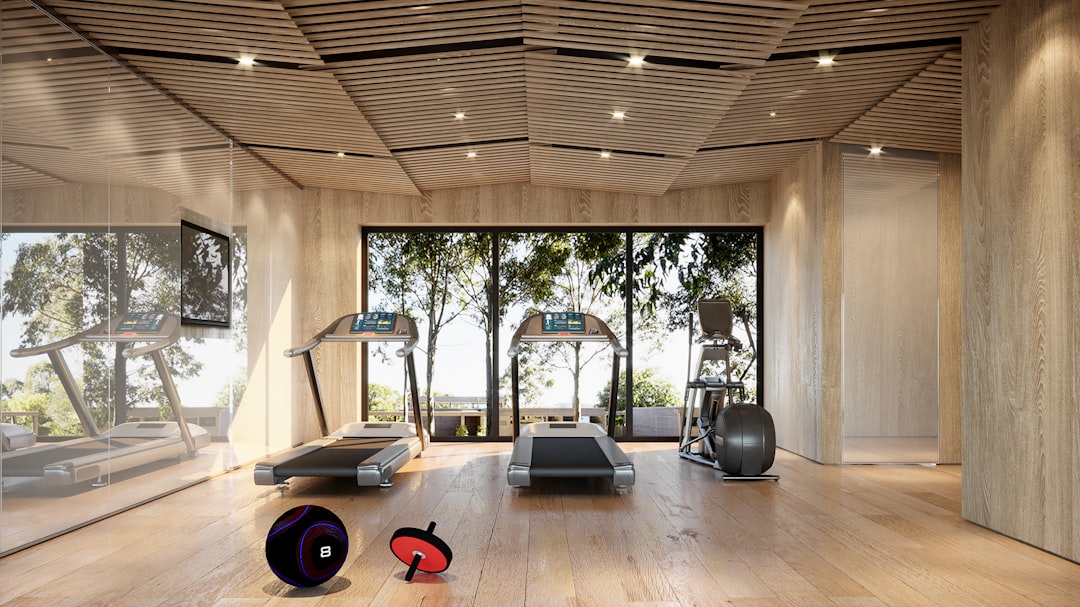
As the healthcare landscape undergoes a seismic transformation, the fitness industry is grappling with a fundamental question: High-End vs. Budget Gyms: Which Business Model Survives the GLP-1 Shift? The rise of glucagon-like peptide-1 (GLP-1) receptor agonists, such as Ozempic, Wegovy, and Mounjaro, has created a new class of fitness consumers. These individuals are losing weight rapidly and are often entering a gym for the first time in years, or even decades. This shift is part of a larger trend explored in The GLP-1 Revolution: How Weight Loss Drugs Are Reshaping Gym Membership Trends and Fitness Industry Stocks, where the focus moves from pure weight loss to functional health, muscle preservation, and long-term wellness.
Analyze financial data and fundamentals for better investment decisions
View Financial DataThe Budget Gym Defense: High Volume and Low Friction
Budget gyms, often referred to as High-Value, Low-Price (HVLP) models, are uniquely positioned to capture the initial wave of GLP-1 users. For many individuals starting their medical weight loss journey, the primary barrier to gym entry is not just cost, but also “gym intimidation.” Budget gyms like Planet Fitness have built their entire brand around a “Judgment Free Zone,” making them an ideal landing spot for those who are early in their body transformation process.
The low price point (typically $10-$25 per month) reduces the financial friction for someone who is already spending hundreds, if not thousands, of dollars on GLP-1 medications. When we look at Planet Fitness and the GLP-1 Thesis: Why Low-Cost Gyms Might Win Big, the data suggests that these gyms act as a gateway. As users see results from their medication, their confidence grows, leading them to seek out physical spaces to maintain their progress. For investors, this translates to a massive expansion of the Total Addressable Market (TAM), as previously sedentary populations become active members.
The High-End Pivot: Medical Integration and Longevity
While budget gyms win on volume and accessibility, high-end gyms are doubling down on specialized services. High-end clubs such as Life Time and Equinox are evolving into “longevity centers.” The GLP-1 shift presents a specific challenge for users: sarcopenia, or the loss of lean muscle mass. High-end gyms are better equipped to address this through personalized coaching, DEXA scans for body composition tracking, and curated strength training programs.
This is where The Complementary Effect: Why GLP-1 Users Are Flocking to Strength Training becomes a competitive advantage for premium models. High-end gyms can offer the supervision required to ensure that weight loss is coming from fat, not muscle. Furthermore, these clubs are increasingly partnering with medical professionals to provide a “wraparound” service that includes blood work, nutritional counseling, and medication management, justifying their $200+ monthly fees.
Comparative Analysis: Business Model Metrics
To understand which model survives or thrives, we must look at the operational differences in the context of the GLP-1 era:
| Metric | Budget Gyms (HVLP) | High-End/Luxury Gyms |
|---|---|---|
| Target Audience | Entry-level, cost-conscious, intimidated beginners. | Performance-focused, affluent, longevity-seekers. |
| GLP-1 Strategy | Low-barrier entry and community acceptance. | Medical integration and muscle preservation coaching. |
| Retention Driver | Low cost makes it “guilt-free” to keep the sub. | High-touch results and specialized health data. |
| Risk Factor | High churn if users “graduate” to specialized clubs. | High overhead and sensitivity to economic downturns. |
Investors analyzing these models should consider Analyzing Fitness Industry Stocks Recovery: Post-Pandemic vs. Post-GLP-1 to see how valuations are shifting from recovery-based metrics to growth-based metrics driven by new healthcare trends.
Case Study 1: Life Time Fitness (LTH) – The Medical Integration Model
Life Time has proactively embraced the GLP-1 shift by launching “Miora,” a longevity and metabolic health clinic integrated into their clubs. By offering physician-led supervised weight loss programs, they are not just providing a place to work out; they are managing the patient’s entire health journey. This model suggests that high-end gyms can survive the shift by becoming an essential part of the medical ecosystem. Their stock performance reflects a market that values this diversification of revenue.
Case Study 2: Planet Fitness (PLNT) – The Scale and Accessibility Model
Planet Fitness has focused on the “New-to-Gym” demographic. Their data indicates that a significant percentage of new members are individuals who have historically struggled with weight. By maintaining a low-cost, non-intimidating environment, they capture the volume of the GLP-1 market. For a deeper dive into their market position, see the Technical Analysis of Planet Fitness (PLNT) Stock in a New Healthcare Era.
Actionable Insights for Gym Operators and Investors
To survive the GLP-1 shift, gym owners and investors should focus on several key pillars:
- Prioritize Strength Training: Regardless of the price point, gyms must emphasize resistance training to combat muscle loss associated with GLP-1 drugs.
- Leverage Data: Use tools to track retention. Understanding Consumer Psychology: How Weight Loss Medication Changes Gym Retention Rates is vital for reducing churn.
- AI Integration: Budget gyms, in particular, should use The Role of AI in Predicting Fitness Membership Churn Post-GLP-1 to identify members who are losing motivation as their medication side effects peak.
- Portfolio Diversification: For those looking to trade these trends, consult Trading the ‘Ozempic Economy’: A Guide to Fitness and Wellness Stocks for a balanced approach between high-end and budget holdings.
Conclusion: A Bifurcated Future
In the debate of High-End vs. Budget Gyms: Which Business Model Survives the GLP-1 Shift?, the evidence suggests that both models will survive, but the “middle-tier” gym—those without a low price point or specialized premium services—is most at risk. Budget gyms will thrive as the “front door” for millions of new fitness enthusiasts, while high-end gyms will succeed by evolving into clinical wellness destinations. The ultimate winners will be those who recognize that weight loss medication is not a replacement for exercise, but a catalyst for it. For a comprehensive look at how these dynamics are altering the financial landscape of the industry, return to our pillar page on The GLP-1 Revolution: How Weight Loss Drugs Are Reshaping Gym Membership Trends and Fitness Industry Stocks.
Frequently Asked Questions
Q1: Are GLP-1 users more likely to choose budget gyms over high-end ones?
Initially, yes. Many GLP-1 users are entering the gym environment for the first time and prefer the low financial risk and non-intimidating atmosphere of budget gyms like Planet Fitness.
Q2: Why is the high-end gym model seen as more “resilient” to medical shifts?
High-end gyms can integrate medical services, such as blood testing and personalized coaching, which are essential for managing the side effects of GLP-1 drugs, such as muscle mass loss.
Q3: Does weight loss medication increase gym membership churn?
Current trends suggest the opposite. While some might think users would quit the gym because the drug “does the work,” most users find that medication provides the results that motivate them to stick to a long-term fitness routine.
Q4: How should investors choose between budget and luxury gym stocks in the GLP-1 era?
Budget stocks offer volume and market expansion, while luxury stocks offer higher margins and “sticky” medical-integrated memberships. A balanced portfolio often includes both to capture different consumer segments.
Q5: What is the biggest operational risk for gyms during the GLP-1 revolution?
The biggest risk is failing to adapt equipment and programming toward strength training. Users on GLP-1s who only do cardio are at high risk for muscle wasting, which can lead to injury and eventual membership cancellation.
Q6: Can middle-tier gyms survive this shift?
Middle-tier gyms are under the most pressure. They lack the price advantage of budget gyms and the specialized medical/wellness infrastructure of high-end clubs, making them vulnerable to “membership migration.”