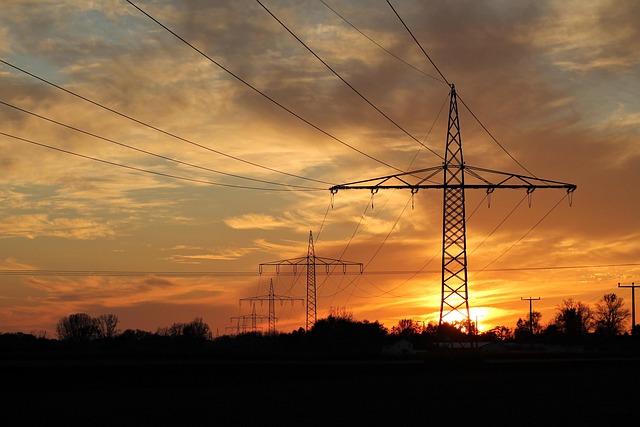
As the global energy transition accelerates, the transition from centralized fossil fuel power plants to decentralized renewable sources has created a fundamental challenge: intermittency. Solar and wind power do not provide a steady stream of electricity, necessitating a robust middleman to balance supply and demand. This is where Grid-Scale Energy Storage: Investing in the Backbone of the Modern Power Grid becomes the most critical narrative for investors. Beyond just a technological hurdle, grid-scale storage represents the vital infrastructure required to make a carbon-free economy viable. For those following our broader look at The Future of Energy Storage: A Comprehensive Investment Guide for 2026 and Beyond, understanding the utility-grade market is the first step in identifying high-conviction opportunities in the energy sector.
Validate your strategy with instant backtesting
Backtest LibraryThe Critical Role of Grid-Scale Storage in the Energy Transition
The modern power grid is undergoing its most significant transformation since the days of Thomas Edison. Traditional grids were designed for “one-way” traffic: generating power at a central plant and pushing it out to consumers. Today’s grid must manage multi-directional flows from residential solar, massive wind farms, and electric vehicle (EV) charging networks.
Grid-scale storage acts as the “shock absorber” for this new system. By soaking up excess energy during periods of high production and low demand, and releasing it when the sun sets or the wind dies down, these systems prevent blackouts and stabilize prices. For investors, this creates a massive market for “Front-of-the-Meter” (FTM) storage solutions. As you evaluate Top 10 Battery Storage Stocks Poised for Massive Growth by 2026, it is essential to distinguish between consumer-facing tech and the heavy industrial infrastructure required for grid stability.
Diversifying Beyond Lithium-Ion: The Technology Stack
While Lithium-ion remains the dominant technology due to its declining cost curve, the grid requires a variety of storage durations that Lithium-ion cannot always solve economically.
- Lithium-ion Batteries: Ideal for short-duration (2-4 hours) storage and frequency regulation.
- Flow Batteries: Use liquid electrolytes to store energy, making them safer and more durable for long-duration (8-12+ hours) storage.
- Pumped Hydro Storage: The “old guard” of storage, still accounting for the majority of global capacity, but limited by geography.
- Compressed Air and Gravity Storage: Emerging mechanical solutions that offer alternative ways to store massive amounts of energy without chemical degradation.
Investors looking for the next breakthrough should monitor The Rise of Solid-State Batteries: New Investment Frontiers in Energy Storage, as these could eventually scale from EVs to grid applications, offering higher energy density and improved safety profiles.
Revenue Streams: How Grid-Scale Storage Makes Money
Investing in grid-scale energy storage is not just about the hardware; it’s about the “energy arbitrage” and services these assets provide. Understanding these revenue streams is vital for accurate valuation:
- Energy Arbitrage: Buying electricity when prices are low (or negative) and selling when prices peak.
- Ancillary Services: Providing frequency and voltage regulation to keep the grid stable, which utilities pay for on a contractual basis.
- Capacity Payments: Getting paid simply to be “available” during times of extreme grid stress, similar to an insurance policy for the utility.
To maximize returns, many operators are now Using AI and Machine Learning to Predict Energy Storage Market Trends. These algorithms analyze weather patterns, historical demand, and real-time pricing to decide exactly when to charge or discharge, significantly boosting the Internal Rate of Return (IRR) for these projects.
Case Study 1: The Hornsdale Power Reserve (South Australia)
The Hornsdale Power Reserve, often referred to as the “Tesla Big Battery,” was a landmark project in 2017. Originally met with skepticism, it proved that grid-scale lithium-ion storage could respond to grid failures in fractions of a second—far faster than traditional gas peater plants. Not only did it stabilize the South Australian grid, but it also reportedly saved consumers over $150 million in its first two years by reducing the need for expensive ancillary services. This project serves as a blueprint for modern Comparing the Best Clean Energy Infrastructure ETFs for 2026 Portfolios, showcasing how storage can disrupt traditional utility economics.
Case Study 2: Moss Landing Energy Storage Facility (California)
Located at a former gas-fired power plant site, the Vistra Moss Landing facility is one of the largest battery storage installations in the world. It utilizes existing interconnection infrastructure to feed 400MW/1,600MWh of power into the California grid. This “brownfield” redevelopment approach highlights a key investment trend: repurposing old fossil fuel infrastructure for energy storage, which lowers permitting and construction costs while solving the intermittency of California’s massive solar output.
Actionable Investment Insights and Risk Management
The path to 2026 and beyond is not without volatility. As seen in recent market cycles, raw material costs for battery metals like lithium, cobalt, and nickel can fluctuate wildly. Savvy investors often employ Futures Trading and Hedging Strategies for Battery Metal Commodities to protect their portfolios against supply chain shocks.
When analyzing potential entries, technical analysis can be just as important as fundamental research. Traders should focus on Identifying Bullish Chart Patterns in the Clean Energy Sector to time their entries into volatile battery stocks. Furthermore, using Backtesting Strategies for High-Volatility Battery Technology Stocks can help determine if a specific asset has historically rewarded long-term holders or short-term swing traders.
For those who prefer a less hands-on approach, learning How to Use Technical Indicators to Trade Renewable Energy ETFs provides a broader exposure to the sector while mitigating the “single-stock risk” inherent in emerging technologies.
Overcoming the Investor’s Dilemma
Emerging sectors often fall prey to hype cycles. The Psychology of Investing in Emerging Green Energy Technologies often involves a battle between FOMO (Fear Of Missing Out) and the “Valley of Death” where startups fail before reaching commercial scale. To succeed, one must look at grid-scale storage not as a speculative bet, but as a long-term infrastructure play. Understanding The Psychology of Investing in Emerging Green Energy is crucial to maintaining discipline when the market experiences temporary downturns.
Conclusion
Grid-scale energy storage is the silent engine driving the renewable revolution. By acting as the backbone of the modern power grid, these systems ensure that clean energy is not just available, but reliable and affordable. For investors, the opportunity lies in the intersection of hardware innovation, AI-driven management, and the massive capital inflow into global infrastructure. Whether you are trading individual stocks, exploring ETFs, or hedging with commodities, this sector is poised for exponential growth as we approach 2030. To see how this fits into the broader energy landscape, revisit our cornerstone piece: The Future of Energy Storage: A Comprehensive Investment Guide for 2026 and Beyond.
Frequently Asked Questions
1. What exactly is “grid-scale” energy storage?
Grid-scale storage refers to large-capacity systems, typically 10 megawatts (MW) or more, that can store energy and then supply it back to the utility grid on demand. Unlike residential batteries (like a Tesla Powerwall), these are massive installations that support entire cities or regions.
2. Why is grid-scale storage considered the “backbone” of the grid?
Because renewable energy sources like wind and solar are variable, the grid cannot rely on them alone for constant power. Grid-scale storage provides the necessary balancing, ensuring that power remains available even when the sun isn’t shining or the wind isn’t blowing, effectively replacing the role of traditional coal and gas plants.
3. What are the biggest risks when investing in this sector?
The primary risks include commodity price volatility (lithium/nickel costs), rapid technological obsolescence, and regulatory changes in how utilities are allowed to compensate storage providers. Using backtesting strategies can help manage some of the price volatility risk.
4. Is Lithium-ion the only technology worth investing in for 2026?
No. While it is the market leader today, “long-duration” storage needs are creating opportunities for flow batteries and mechanical storage. Investors should look at the specific use case; Lithium-ion wins for short bursts, but other technologies are catching up for 8-hour+ storage requirements.
5. How does AI impact the profitability of grid-scale storage?
AI is used to optimize “bid-ask” spreads in the energy market. By accurately predicting when energy will be most expensive, AI-driven software allows storage operators to maximize their revenue from arbitrage and ancillary services, often increasing margins by 10-20%.
6. How does this fit into a broader “Future of Energy” portfolio?
Grid-scale storage is a foundational layer. In a well-balanced portfolio, as outlined in The Future of Energy Storage: A Comprehensive Investment Guide, it serves as a lower-risk, infrastructure-style play compared to the more volatile “moonshot” battery startups.
7. Are there ETFs that focus specifically on grid-scale storage?
While few ETFs focus *only* on grid storage, many clean energy and infrastructure ETFs have significant weightings in companies like Fluence, NextEra Energy, and Tesla, which lead the sector. Comparing clean energy ETFs is a great way to find diversified exposure.