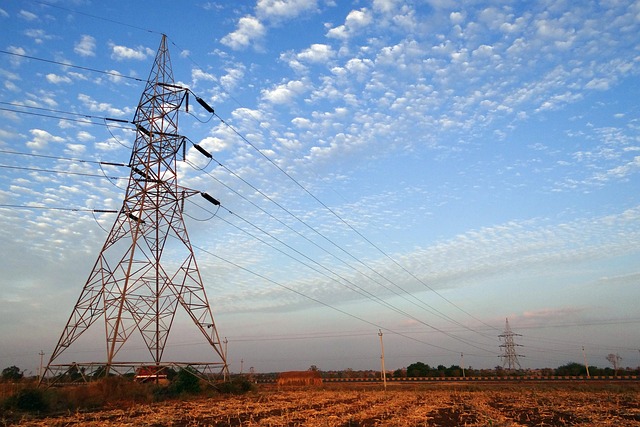
As the global economy shifts from fossil fuels to renewable sources, Transmission Infrastructure Investing: Navigating the Global Energy Transition has become the cornerstone of modern industrial strategy. While renewable generation like wind and solar often dominate the headlines, these clean energy sources are frequently located in remote regions, far from the urban centers that consume the most power. This geographic mismatch has created an urgent, multi-trillion-dollar need for new high-voltage “superhighways” to move electricity across continents. For those following The Comprehensive Investor’s Guide to Electric Grid Modernization and Smart Grid Stocks for 2026, understanding the transmission sub-sector is essential for capturing the full value of the energy transition.
Validate your strategy with instant backtesting
Backtest LibraryThe Transmission Gap: Why Infrastructure is the Bottleneck
The primary challenge of the energy transition is not just generating clean power, but moving it. Currently, the “interconnection queue”—the waiting list of energy projects seeking to plug into the grid—is backlogged with thousands of gigawatts of capacity. In the United States alone, the grid needs to expand its transmission capacity by an estimated 60% by 2030 to meet climate goals.
This represents a massive shift in Theme Investing: Why the 2026 Grid Upgrade Cycle is a Generational Opportunity. Investors are moving away from speculative generation startups toward the “picks and shovels” of the industry: the companies that manufacture subsea cables, high-voltage transformers, and steel lattice towers.
Key Technology: High-Voltage Direct Current (HVDC)
To navigate this landscape, investors must understand High-Voltage Direct Current (HVDC) technology. Unlike the traditional Alternating Current (AC) used in local distribution, HVDC is far more efficient for long-distance transport. It suffers significantly lower power losses over hundreds of miles and is the only viable solution for subsea cables connecting offshore wind farms to the mainland.
Companies specializing in HVDC converters and specialized cabling are seeing record-breaking backlogs. When Backtesting Strategy: Evaluating Grid Modernization Stocks Over the Last Decade, it becomes clear that firms with exposure to HVDC have begun to decouple from traditional utility performance, exhibiting growth characteristics more akin to high-growth industrial tech.
Practical Advice for Transmission Investors
Investing in transmission requires a different mindset than traditional utility investing. While utilities are often “buy and hold” for dividends, the transmission build-out is a capital-intensive growth cycle. Here is how to approach it:
- Focus on Backlog-to-Revenue Ratios: Look for engineering and construction (E&C) firms whose order books for grid projects extend 3-5 years into the future.
- Regulatory Tailwinds: Prioritize companies operating in regions with favorable permitting reform. In the US, recent FERC (Federal Energy Regulatory Commission) rulings are streamlining how transmission costs are shared, which speeds up project approvals.
- Diversification: Given the project-based nature of this sector, consider using Best Grid Technology ETFs to Diversify Your Portfolio in 2026 to mitigate the risk of a single project being delayed by environmental litigation.
Case Study 1: The TransWest Express (United States)
The TransWest Express is a landmark 732-mile transmission line project designed to carry wind energy from Wyoming to customers in California, Nevada, and Arizona. This project highlights the complexities of Transmission Infrastructure Investing: Navigating the Global Energy Transition. It required 18 years of permitting and land acquisition before construction began in 2023. Investors in the companies providing the 3,000 MW HVDC terminal stations for this project are betting on the “long game” of cross-state energy transfers.
Case Study 2: SuedLink (Germany)
Germany’s SuedLink project is one of the world’s largest underground power line projects. It aims to transport wind power from the breezy north of Germany to the industrial hubs in the south. Because of public opposition to overhead lines, SuedLink is being built primarily underground using advanced HVDC cables. This project has been a boon for cable manufacturers and specialized boring equipment providers, showcasing how aesthetic and environmental concerns can drive demand for more expensive, high-margin technological solutions.
Analyzing the Market Players
The landscape is divided into three main categories. Identifying which fits your risk profile is key to Investing in Power Grid Upgrades: Key Infrastructure Players to Watch.
| Category | Role in Transmission | Investment Characteristic |
|---|---|---|
| Equipment Manufacturers | Transformers, HVDC valves, switchgear | High margins, strong IP, global scale |
| EPC Firms | Engineering, Procurement, and Construction | Project-based revenue, high labor dependency |
| Transmission Utilities | Owning and operating the lines | Regulated returns, stable dividends, capital heavy |
For a deeper dive into specific tickers, see the Top 10 Electric Grid Modernization Stocks Poised for Growth in 2026.
Risk Mitigation and Technical Timing
Transmission stocks can be volatile due to interest rate sensitivity and political shifts. To manage this, many professional traders utilize The Role of Technical Indicators in Timing Entries for Infrastructure Stocks. Moving averages and RSI levels can help identify entry points during the “lull” between major contract announcements.
Furthermore, because these projects are so large, they are sensitive to commodity prices (copper and aluminum). Savvy investors often use Options Trading Strategies for Hedging Energy Sector Volatility to protect their positions against sudden spikes in raw material costs that could squeeze the margins of equipment manufacturers.
The Role of Data and AI
The physical infrastructure is only half the story. To maximize the efficiency of these new lines, grid operators are turning to digital twins and AI-driven load balancing. This is covered extensively in Smart Grid Stocks 2026: How AI is Revolutionizing Energy Distribution, which explains how software layers are being added to transmission hardware to prevent congestion and manage the variable flow of renewable energy.
Conclusion
Mastering Transmission Infrastructure Investing: Navigating the Global Energy Transition requires a blend of macro-economic awareness and technical understanding. The “bottleneck” of the energy transition is no longer the price of solar panels, but our ability to build the wires that connect them to the world. By focusing on HVDC technology leaders, monitoring regulatory shifts in permitting, and using Analyzing Candlestick Patterns in Leading Smart Grid Technology Equities to time entries, investors can position themselves at the heart of the 2026 grid upgrade cycle. For a holistic view of how transmission fits into the broader utility landscape, return to The Comprehensive Investor’s Guide to Electric Grid Modernization and Smart Grid Stocks for 2026.
FAQ: Transmission Infrastructure Investing
Q1: Why is transmission infrastructure considered the “bottleneck” of the energy transition?
A: Most renewable energy sources are located far from cities. Without new transmission lines, clean energy projects cannot get their power to market, leading to massive backlogs in “interconnection queues” where projects wait years to join the grid.
Q2: What is the difference between AC and HVDC in transmission investing?
A: AC (Alternating Current) is standard for short distances, but HVDC (High-Voltage Direct Current) is much more efficient for long-distance and subsea transport. Companies that dominate the HVDC market often have higher technological moats and better margins.
Q3: How do interest rates affect transmission infrastructure stocks?
A: Transmission projects are incredibly capital-intensive and often funded with high levels of debt. Rising interest rates can increase borrowing costs and lower the net present value of long-term infrastructure projects, potentially hurting stock prices.
Q4: Are there ETFs that focus specifically on transmission?
A: While few ETFs focus only on transmission, several “Smart Grid” and “Infrastructure” ETFs have heavy weightings in the sector. You can find a curated list in our guide to Best Grid Technology ETFs to Diversify Your Portfolio in 2026.
Q5: What is the biggest regulatory risk for these investments?
A: Permitting and “NIMBY” (Not In My Backyard) opposition are the primary risks. Even a fully funded project can be delayed for decades by local lawsuits or environmental reviews, which can drain the capital of the firms involved.
Q6: How does AI improve transmission infrastructure?
A: AI helps in “Dynamic Line Rating,” which allows operators to push more power through existing lines based on real-time weather conditions. This increases the efficiency of the physical infrastructure, as explored in our article on AI in Energy Distribution.
Q7: Is transmission investing suitable for dividend-seeking investors?
A: Yes, particularly through regulated utilities that own the transmission assets. These companies often offer stable, government-sanctioned returns on equity, making them a core component of The Comprehensive Investor’s Guide to Electric Grid Modernization.