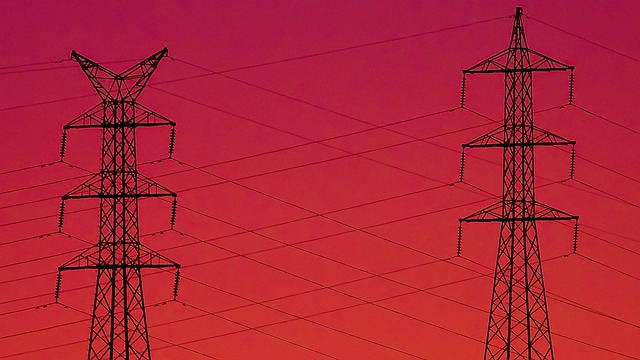
The global energy landscape is currently undergoing its most significant transformation since the invention of the lightbulb. As the world shifts away from centralized fossil fuel power plants toward decentralized renewable energy sources, the physical and digital infrastructure required to manage this flow is becoming the focal point for institutional and retail investors alike. This comprehensive guide serves as a central hub for understanding the multi-faceted investment landscape of electric grid modernization. By the time we reach 2026, the convergence of government mandates, the rapid adoption of electric vehicles, and the integration of artificial intelligence into energy management will have created a landscape of unprecedented opportunity. Throughout this guide, we will explore specific stock picks, the rise of thematic ETFs, advanced technical trading strategies, and the quantitative data that supports a long-term bullish thesis on grid technology. Whether you are a fundamental investor looking for the next industrial giant or a quantitative trader seeking to time entries using candlestick patterns and backtested models, the following sections provide the deep-dive resources necessary to navigate this complex sector.
Master Simple Moving Average signals for profitable trading
Analyze Simple Moving AverageThe Secular Shift: Why the 2026 Grid Upgrade Cycle is Different
Understanding the macro-economic environment is the first step for any serious investor. Unlike previous infrastructure cycles that relied on incremental maintenance, the current shift is driven by a “perfect storm” of necessity. The aging infrastructure in developed nations is reaching its breaking point, while the demand for electricity is skyrocketing due to data center expansion and industrial electrification. This creates a backdrop where capital expenditure is not just encouraged but mandated by policy. Institutional analysts are increasingly pointing to the fact that Theme Investing: Why the 2026 Grid Upgrade Cycle is a Generational Opportunity is no longer a speculative play but a fundamental requirement for a functioning modern economy.
This generational opportunity is characterized by the transition from a “one-way” power flow to a bi-directional “smart” grid. In the past, utilities simply pushed power to consumers. Today, with residential solar, battery storage, and EV-to-grid technology, the grid must manage a complex web of energy sources. This complexity requires massive investments in hardware and software. Investors who recognize this shift early are positioning themselves for a decade of growth as the “dumb” grid of the 20th century is replaced by the intelligent, resilient network required for the 21st century.
Core Infrastructure: The Backbone of the Modern Grid
Before the “smart” features can be implemented, the physical “hard” infrastructure must be reinforced and expanded. This includes the massive transformers, high-voltage cables, and substations that move power over long distances. The companies that manufacture these components are seeing record-high order backlogs that stretch into 2027 and 2028. When building a diversified portfolio, Investing in Power Grid Upgrades: Key Infrastructure Players to Watch allows an investor to capture the foundational growth that occurs before software and AI applications are even deployed.
These infrastructure players often operate as “toll booths” for the energy transition. Regardless of which renewable energy technology wins—be it wind, solar, or green hydrogen—the power must still travel through the grid. This makes infrastructure companies relatively “technology agnostic,” providing a safety net against the volatility of individual energy sources. By focusing on the physical layer, investors can gain exposure to heavy industrial growth while benefiting from the long-term contracts typical of utility-scale projects.
Identifying High-Growth Opportunities in Grid Stocks
While the infrastructure giants provide stability, the real alpha for many investors lies in identifying the high-growth companies that are innovating within the sector. These are often mid-cap or specialized large-cap firms that focus on niche technologies like advanced sensors, microgrid controllers, or high-efficiency power electronics. Researching the Top 10 Electric Grid Modernization Stocks Poised for Growth in 2026 can help investors differentiate between stagnant legacy utilities and dynamic technology firms that are capturing increasing market share in the modernization space.
The criteria for selecting these growth stocks involve looking at R&D spending, patent portfolios, and strategic partnerships with major utility providers. In 2026, we expect to see a divergence in performance between companies that have successfully integrated digital twin technology into their offerings and those that remain stuck in traditional manufacturing. By targeting the top performers, investors can leverage the accelerating adoption of smart meters and automated distribution systems that are becoming standard in every major metropolitan grid upgrade.
The AI Revolution: Software Meets the Power Line
Perhaps the most exciting development in the energy sector is the integration of artificial intelligence. AI is no longer just a buzzword; it is a critical tool for balancing the intermittent nature of renewable energy. Machine learning algorithms can now predict peak demand hours with incredible accuracy and adjust the flow of electricity in real-time to prevent blackouts. Investors should pay close attention to how Smart Grid Stocks 2026: How AI is Revolutionizing Energy Distribution are utilizing these technologies to improve efficiency and reduce operational costs for utilities worldwide.
The intersection of Big Tech and Energy is creating a new sub-sector of “Energy-as-a-Service” (EaaS). Companies that provide the software platforms to manage virtual power plants (VPPs) are becoming increasingly valuable. These platforms allow thousands of individual home batteries and EVs to act as a single, giant battery for the grid. As AI continues to evolve, the software layer of the grid will likely command higher margins than the hardware layer, making it a vital component of any tech-forward energy portfolio.
Navigating the Global Transmission Landscape
Grid modernization is not just a domestic issue for any one country; it is a global imperative. Large-scale transmission projects are being planned to connect sun-drenched deserts and wind-swept plains to distant urban centers. This requires cross-border cooperation and massive capital investment in High-Voltage Direct Current (HVDC) technology. For those looking at the big picture, Transmission Infrastructure Investing: Navigating the Global Energy Transition offers insights into how international policy and geography play a role in investment returns.
The global nature of this transition means that investors must be aware of geopolitical risks and varying regulatory environments. For example, the European Union’s “Green Deal” has different implications for transmission stocks than the United States’ “Inflation Reduction Act.” However, the underlying theme remains the same: the world needs more copper, more aluminum, and more high-tech transmission hardware to reach its net-zero goals. Navigating this global market requires a nuanced understanding of both engineering constraints and political will.
Diversification Through Grid Technology ETFs
For many investors, the complexity of picking individual stocks in a rapidly evolving sector is too high. In such cases, thematic Exchange-Traded Funds (ETFs) offer an ideal solution. These funds provide instant diversification across hardware manufacturers, software providers, and utility companies. Reviewing the Best Grid Technology ETFs to Diversify Your Portfolio in 2026 can help investors find a vehicle that matches their specific risk tolerance, whether they want broad infrastructure exposure or a more concentrated bet on smart technology.
ETFs also solve the problem of liquidity and sector rebalancing. As some companies fail and others rise to dominance, the fund managers handle the turnover, ensuring the investor remains exposed to the leading edge of the industry. This is particularly important in the grid sector, where technological obsolescence can happen quickly. A well-chosen ETF can capture the steady upward trend of the sector while mitigating the “single-stock risk” associated with individual project failures or regulatory setbacks.
The Quantitative Edge: Backtesting Your Strategy
In a market driven by both hype and fundamental shifts, data-driven decision-making is essential. Quantitative investors use historical data to determine which factors actually drive outperformance in the energy sector. By utilizing a Backtesting Strategy: Evaluating Grid Modernization Stocks Over the Last Decade, traders can identify patterns related to earnings surprises, interest rate sensitivity, and seasonal trends that affect infrastructure stocks.
Historical analysis shows that grid-related equities often behave differently than traditional tech or traditional utilities. They tend to have lower beta than pure-play tech but higher growth rates than standard regulated utilities. Understanding these correlations through backtesting allows an investor to build a more resilient portfolio that can withstand different market cycles. It also provides the confidence to hold through short-term volatility, knowing that the long-term quantitative trend remains intact.
Precision Timing with Technical Indicators
Even the best fundamental investment can lead to poor results if the entry point is mistimed. Technical analysis provides the tools to navigate the “whipsaws” of the market and find optimal buy and sell zones. Learning about The Role of Technical Indicators in Timing Entries for Infrastructure Stocks is crucial for investors who want to maximize their capital efficiency. Indicators like the Relative Strength Index (RSI), Moving Average Convergence Divergence (MACD), and Volume-Weighted Average Price (VWAP) can signal when a stock is overextended or undervalued.
For infrastructure stocks, which are often sensitive to interest rate announcements and government contract wins, technical indicators can provide an early warning system. For instance, a bullish divergence on the RSI might indicate that selling pressure is exhausting just before a major infrastructure bill is passed. By combining fundamental analysis with technical timing, investors can significantly improve their risk-reward ratios in the 2026 market.
Visualizing Market Sentiment with Candlestick Patterns
To gain an even deeper understanding of price action, many traders turn to candlestick analysis. These patterns provide a visual representation of market psychology, showing the battle between “bulls” and “bears” in real-time. When Analyzing Candlestick Patterns in Leading Smart Grid Technology Equities, one can often spot reversal signs like “Doji” or “Hammer” candles at key support levels. These patterns are particularly useful for smart grid stocks, which can experience sudden spikes in volume following quarterly earnings or new product launches.
Candlestick patterns help investors understand if a price move is backed by conviction or if it is a low-volume anomaly. In the volatile world of energy technology, being able to identify a “Bullish Engulfing” pattern after a period of consolidation can be the difference between catching a major trend and missing it entirely. This level of granular analysis is what separates professional traders from casual observers in the energy equity space.
Managing Risk with Options Strategies
Finally, no comprehensive investment strategy is complete without a plan for risk management. The energy sector is notoriously sensitive to commodity prices and geopolitical events, which can lead to significant volatility. Utilizing Options Trading Strategies for Hedging Energy Sector Volatility allows investors to protect their downside while still participating in the upside. Strategies such as protective puts, covered calls, and iron condors can be used to generate income or insurance for a grid-focused portfolio.
For example, if an investor is long on several smart grid stocks but fears a broader market correction in 2026, they might purchase out-of-the-money put options to “floor” their potential losses. Conversely, selling covered calls on stable infrastructure players can provide a steady stream of income that offsets any stagnant price action. Mastering these tools ensures that an investor can survive the inevitable “bumps in the road” on the way to a modernized electric grid.
Conclusion
The journey toward a modernized electric grid is one of the most significant economic undertakings of our time. As we look toward 2026, the opportunities for investors are vast, ranging from the physical foundations of the power grid to the sophisticated AI software that manages it. By diversifying across high-growth stocks and ETFs, utilizing backtested strategies, and applying both technical and options-based risk management, investors can position themselves at the forefront of this generational transition. The information provided in this guide serves as a roadmap for navigating the complexities of the energy sector, ensuring that your portfolio is as resilient and forward-thinking as the grid itself.
Frequently Asked Questions
What exactly is “grid modernization”?
Grid modernization refers to the process of upgrading the existing electrical infrastructure with digital technology, advanced sensors, and automated systems to improve reliability, efficiency, and the integration of renewable energy sources.
Why is 2026 considered a pivotal year for these stocks?
By 2026, many of the major government infrastructure projects funded in the early 2020s will be in full implementation mode. Additionally, the massive influx of electric vehicles and AI-driven data centers will reach a critical mass, necessitating the “smart” upgrades we see today.
Are smart grid stocks as risky as traditional tech stocks?
While they do involve high-tech components, many smart grid companies have stable, long-term contracts with regulated utilities, which can provide a “buffer” that traditional software-as-a-service companies lack. However, they are still subject to market volatility and interest rate changes.
How do I choose between an individual stock and an ETF?
If you have the time to research individual balance sheets and technical patterns, individual stocks offer higher potential alpha. If you prefer a “set-it-and-forget-it” approach with broad exposure to the entire sector’s growth, a grid technology ETF is likely the better choice.
Does AI really make a difference in power distribution?
Yes, AI is fundamental to the modern grid. It allows for “predictive maintenance,” where the grid can identify a potential failure before it happens, and “dynamic load balancing,” which prevents blackouts by shifting power to where it is needed most in milliseconds.
Is it too late to invest in the grid upgrade cycle?
Most analysts believe we are only in the second or third inning of a nine-inning game. The total global investment required to reach net-zero goals by 2050 is in the trillions of dollars, meaning the upgrade cycle will likely last for several decades.