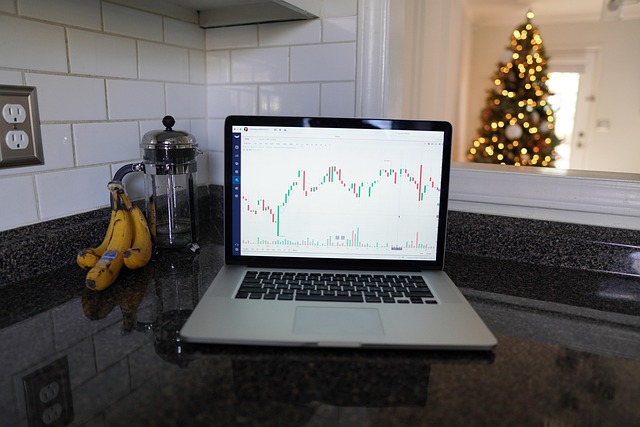
Successful traders and investors understand that Analyzing Candlestick Patterns in Leading Smart Grid Technology Equities provides a visual map of market sentiment that raw price data often misses. As the global energy landscape undergoes a massive transformation, technical analysis has become a vital tool for navigating the volatility inherent in high-growth sectors. By mastering these patterns, market participants can better time their entries and exits within the framework of The Comprehensive Investor’s Guide to Electric Grid Modernization and Smart Grid Stocks for 2026. Whether you are looking at hardware manufacturers or software-as-a-service providers in the energy space, the psychological battle between bulls and bears is etched into the daily and weekly candle formations.
Master Simple Moving Average signals for profitable trading
Analyze Simple Moving AverageThe Significance of Candlestick Analysis in the Smart Grid Sector
The smart grid sector is uniquely positioned at the intersection of traditional utilities and high-growth technology. This hybrid nature often leads to distinct price action. When Analyzing Candlestick Patterns in Leading Smart Grid Technology Equities, it is important to recognize that these stocks often react sharply to legislative milestones, government contract awards, and technological breakthroughs. Unlike slow-moving traditional utility stocks, grid tech equities often exhibit “gapping” behavior and long-bodied candles that signify strong momentum.
Understanding these patterns allows investors to distinguish between a healthy retracement in a long-term bull market and a fundamental reversal. For instance, as discussed in our look at Theme Investing: Why the 2026 Grid Upgrade Cycle is a Generational Opportunity, the multi-year tailwinds for this sector mean that bullish continuation patterns often carry more weight than they might in a stagnant industry.
Primary Bullish Reversal Patterns for Grid Tech Stocks
In the volatile world of energy tech, catching a “bottom” requires precision. Two specific patterns stand out when looking at leaders in smart metering and grid automation:
- The Bullish Engulfing Pattern: This occurs when a small red candle is followed by a large green candle that completely “engulfs” the previous day’s body. In smart grid equities, this often happens after a period of consolidation following a massive rally. It suggests that institutional buyers have stepped in at a key support level.
- The Hammer: Characterized by a small body at the top of the price range and a long lower wick, the Hammer signifies that despite a mid-session sell-off, buyers regained control. This is a classic signal for stocks involved in Investing in Power Grid Upgrades: Key Infrastructure Players to Watch, as it shows resilience against broader market downturns.
Continuation Patterns: Identifying the 2026 Up-Trend
Identifying when a trend is likely to continue is just as important as spotting a reversal. In the context of Top 10 Electric Grid Modernization Stocks Poised for Growth in 2026, investors should look for “Rising Three Methods.” This pattern consists of a long green candle followed by three small-bodied declining candles that stay within the range of the first candle, concluded by another strong green candle. This indicates a temporary pause in buying before the next leg up, often seen when smart grid firms announce successful pilot programs or AI integrations.
Given how Smart Grid Stocks 2026: How AI is Revolutionizing Energy Distribution, these continuation patterns often align with quarterly earnings calls where companies provide guidance on their AI-driven software margins.
Case Study 1: Reversal at Support for a Grid Software Leader
Consider a hypothetical leader in grid-edge computing. After a 15% correction, the stock forms a “Morning Star” pattern—a long red candle, followed by a short-bodied “indecision” candle (Doji), and finally a long green candle. If this pattern forms near a 200-day moving average, it provides a high-probability entry point.
By applying The Role of Technical Indicators in Timing Entries for Infrastructure Stocks alongside this candlestick formation—such as checking if the Relative Strength Index (RSI) is in oversold territory—the investor increases their “confluence,” reducing the risk of a false signal.
Case Study 2: Bearish Signals in Overextended Infrastructure Stocks
Infrastructure stocks can occasionally become “overheated” due to excessive hype. A “Shooting Star” pattern—a small body at the bottom with a long upper wick—forming after a 50% rally in a short period suggests that the stock is struggling to maintain its highs. For those navigating Transmission Infrastructure Investing: Navigating the Global Energy Transition, seeing a Shooting Star at a multi-year resistance level is often a signal to take profits or implement Options Trading Strategies for Hedging Energy Sector Volatility.
The Importance of Volume and Confirmation
A candlestick pattern is only as strong as the volume supporting it. When Analyzing Candlestick Patterns in Leading Smart Grid Technology Equities, a bullish engulfing candle on low volume is far less reliable than one on 2x average daily volume. High volume indicates institutional conviction.
Investors should also look for confirmation in related assets. If an individual stock shows a bullish pattern, check if the Best Grid Technology ETFs to Diversify Your Portfolio in 2026 are also showing similar strength. This sector-wide confirmation often leads to more sustainable price moves. Furthermore, users should perform a Backtesting Strategy: Evaluating Grid Modernization Stocks Over the Last Decade to see how specific patterns have historically performed for their chosen equities.
Conclusion: Integrating Candlesticks into Your 2026 Strategy
Mastering the art of Analyzing Candlestick Patterns in Leading Smart Grid Technology Equities is not about predicting the future with 100% certainty; it is about shifting the odds in your favor. By identifying high-probability reversal and continuation signals, you can navigate the complex 2026 upgrade cycle with greater confidence. These visual cues, when combined with fundamental research and sector-wide analysis, provide a robust framework for capital preservation and growth.
For a deeper dive into the macroeconomic drivers and the specific companies leading this charge, return to The Comprehensive Investor’s Guide to Electric Grid Modernization and Smart Grid Stocks for 2026. By combining technical precision with long-term strategic insights, investors are better equipped to capitalize on the generational opportunity presented by the modernization of the global electric grid.
Frequently Asked Questions (FAQ)
1. Why are candlestick patterns particularly useful for smart grid stocks?
Smart grid stocks often sit at the intersection of technology and utilities, leading to volatile price action driven by news events. Candlesticks visualize this volatility and sentiment more effectively than simple line charts, helping traders spot institutional accumulation or distribution.
2. Which candlestick pattern is most reliable for identifying a bottom in grid infrastructure equities?
The “Morning Star” and the “Bullish Engulfing” patterns are widely considered the most reliable, especially when they occur at significant support levels or after a period of sustained selling in the energy sector.
3. How does volume impact the analysis of candlestick patterns in this sector?
Volume acts as a confirmation tool; a bullish candlestick on high volume suggests “smart money” is entering the position, whereas a pattern on low volume may be a “fake-out” or a temporary fluctuation.
4. Can I use candlestick patterns for long-term investing in the 2026 grid upgrade cycle?
Yes, using weekly or monthly candlestick charts can help long-term investors identify major trend changes and optimal “add-on” points for their core positions as the 2026 modernization cycle progresses.
5. Should I rely solely on candlesticks when trading smart grid technology equities?
No, candlestick analysis should be used in conjunction with other technical indicators like RSI and MACD, as well as fundamental research into company earnings and government infrastructure policy.
6. What is a “Doji” and why does it matter for energy transition stocks?
A Doji occurs when the opening and closing prices are almost equal, signifying extreme indecision. In the fast-moving energy transition sector, a Doji often appears before a major breakout or breakdown, serving as a “warning” of an impending move.
7. How do candlestick patterns relate to the broader 2026 Smart Grid Guide?
While the guide provides the “what” and “why” of grid investing, candlestick patterns provide the “when,” helping investors time their moves within the broader macroeconomic trends outlined in the main guide.