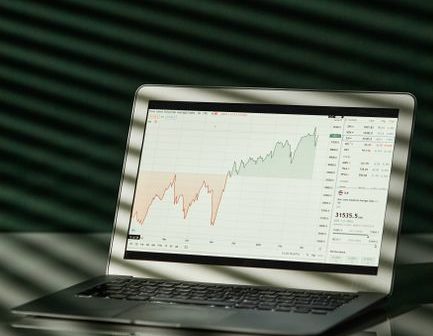
The pursuit of consistent profitability in futures trading often leads aspiring traders to focus intently on technical analysis and complex strategies. However, the true barrier between mediocrity and peak performance is rarely technical; it is psychological. Mastering the mental game—specifically Conquering Trading Psychology in Futures: Handling Drawdowns and Emotional Discipline for Peak Performance—is the ultimate differentiator. The high leverage and rapid movements inherent in futures contracts magnify every decision, making emotional control paramount, especially during the inevitable losing streaks. This specialized component of the trading process is often neglected, yet without robust psychological defenses, even the most sophisticated strategy is doomed to fail. For a broader overview of the foundational elements of success, including strategy and risk, consult The Ultimate Guide to Futures Trading Strategies: Technical Analysis, Risk Management, and Psychology Mastery.
Validate your strategy with instant backtesting
Backtest LibraryThe Volatility Amplifier: Why Futures Demand Superior Emotional Control
Futures markets, unlike equities, require minimal margin for substantial notional value exposure, creating a high-octane environment where P&L swings rapidly. This volatility acts as an amplifier for psychological biases. Fear of missing out (FOMO), hope (holding onto losers), and panic (cutting winners too quickly) are common in all markets, but the speed and size of futures movements turn these biases into catastrophic errors during periods of negative equity, or drawdowns.
A drawdown is not a failure; it is a statistical necessity. The difference between a professional and an amateur lies in how they respond to the pain of losing money. The amateur typically reacts with destructive behaviors—revenge trading, over-leveraging, or abandoning their proven methodology. The professional operates within a predefined framework of emotional discipline and risk mitigation.
Proactive Drawdown Management: Setting Psychological Circuit Breakers
The most effective way to handle a drawdown is to have rules in place before it begins. Psychological control starts with rigorous risk management.
1. Defining Hard Stop-Losses (Capital Limits)
You must define two critical drawdown limits:
- The Daily Max Loss: The absolute dollar amount you allow yourself to lose in a single session before you shut down your trading platform, regardless of how good the next setup looks.
- The Strategic Max Loss: The maximum cumulative percentage or dollar loss (e.g., 10% of capital) that triggers a mandatory two-day break or scaling back of contract size.
Case Study: The 3-Loss Rule in Micro E-mini Futures (MES)
A day trader specializing in MES futures implements the “Three Strikes, You’re Out” rule. If the trader executes three consecutive losing trades—even if the total dollar loss is small and within the daily limit—they immediately close the platform. This discipline preempts the mental fatigue and emotional frustration that often leads to subsequent, much larger losses (the phenomenon known as “tilt”). This proactive measure sacrifices potential gains but preserves crucial emotional capital.
2. Contract Scaling and Position Sizing
Emotional pressure is directly proportional to position size. When a drawdown begins, the first, most rational action is to immediately reduce exposure. If you typically trade four ES contracts, drop to two, or even one, until you achieve three consecutive profitable days. This “psychological decompression” allows you to trade with less anxiety, focus on execution quality, and rebuild confidence without risking significant capital. This strategy applies regardless of whether you are focusing on day trading vs. swing trading.
Navigating the Emotional Abyss: Strategies for Drawdown Recovery
Once a drawdown is underway, the priority shifts from making money to minimizing further damage and restoring objectivity.
1. Implementing the Mandatory Review Period
If you hit your strategic max loss, the mandated break is not a vacation; it’s a necessary strategic pause. During this period, you must revisit your trading journal. Analyze the losing trades without emotion. Were they mistakes in execution, strategy violation, or just standard statistical variance? This process, detailed in The Anatomy of a High-Performance Futures Trading Journal, separates external market conditions from internal psychological errors.
- Error Identification: Did I hold a losing contract past my predefined stop? (Emotional Error)
- Strategy Validation: Did the signal align perfectly with my candlestick pattern rules? (Technical Error)
2. Combating Revenge Trading
Revenge trading is the single most common cause of account blow-ups in futures. When hit by a large loss, the brain demands immediate recovery, leading to impulsive, oversized trades outside the established methodology. This is an emotional response, not a logical one.
The solution is procedural: after any unexpected large loss, take 30 minutes away from the screen. Use mindfulness techniques or a physical activity to reset your emotional state. Recognize that the market owes you nothing, and recovery is a process, not a single trade.
Cultivating Emotional Discipline for Peak Performance
Peak performance in futures is the result of consistent, unemotional execution of a statistically sound strategy. It requires viewing trading as a business of probabilities, not certainties.
Focusing on the Process, Not the P&L
Successful traders focus intensely on the quality of their execution (the process) rather than the dollar outcome of any single trade (the P&L). If you executed your plan flawlessly, took the setup based on the indicators and risk parameters, the trade was successful, even if it resulted in a small loss. Conversely, a large win gained through reckless over-leveraging is a failure of discipline.
Example: The Objective Exit
A trader identifies a high-probability swing setup in Crude Oil futures (Mastering Swing Trading Futures). Their plan dictates an exit at the 161.8% Fibonacci extension. When the price approaches this target, the trader feels euphoria and decides to “let it run” hoping for a bigger move, only to watch the market reverse immediately, resulting in a smaller profit than planned. This is a failure of discipline. Peak performance means adhering to the original objective criteria, neutralizing the emotions of greed or fear.
Conclusion
Conquering Trading Psychology in Futures: Handling Drawdowns and Emotional Discipline for Peak Performance is non-negotiable for longevity in these volatile markets. By proactively setting mandatory loss limits, reducing exposure during drawdowns, rigorously analyzing failures through journaling, and prioritizing flawless execution over immediate profits, futures traders can mitigate their greatest risks—themselves. True mastery combines strong technical analysis with rock-solid emotional fortitude. To continue building your holistic trading framework, return to the core material in The Ultimate Guide to Futures Trading Strategies: Technical Analysis, Risk Management, and Psychology Mastery.
FAQ: Conquering Trading Psychology in Futures
What is “Revenge Trading” and why is it so destructive in futures?
Revenge trading is the impulsive behavior of increasing position size or abandoning strategy immediately after a significant loss, driven by the need to “get the money back” from the market. It is destructive in futures due to high leverage; the increased exposure turns a manageable loss into an account-threatening drawdown very quickly.
How can a trading journal specifically aid in emotional discipline during drawdowns?
A trading journal, especially one detailing your mental state before, during, and after trades, creates accountability. During a drawdown, reviewing the journal allows you to objectively identify if the losses resulted from external market volatility or internal factors, such as fear-based exits or greed-based entries. This objective data prevents self-deception.
What is the recommended approach to scaling contracts during a prolonged losing streak?
The best approach is immediate de-escalation upon hitting a predefined Strategic Max Loss threshold (e.g., 5% drop). If trading four contracts, drop immediately to two or one. This reduction dramatically lowers the psychological pressure, allowing you to regain confidence and focus on flawless execution of the remaining smaller trades before incrementally scaling back up.
Is it better to take a full day off after a large loss or try to recover immediately?
It is almost always better to take time off. Trying to recover immediately fuels the revenge trading instinct. Professionals implement a mandatory cooling-off period (e.g., stopping for the day after hitting the Daily Max Loss) to allow the emotional brain to disengage, ensuring the next trading decision is based purely on objective strategy, not emotional frustration.
How does emotional discipline relate to the execution of stop-loss orders in futures?
Emotional discipline is critical for stop-loss execution because human psychology instinctively resists realizing a loss. Lack of discipline causes traders to “move the stop” or ignore it, transforming small, planned losses into catastrophic ones. Peak performance requires treating the stop-loss order as an unbreakable, automatic component of the trade plan.