As global markets transition toward a more electrified and digitized future, identifying the Top 5 Infrastructure Investing Mega Trends to Watch Heading into 2026 has become essential for long-term portfolio growth. This period marks a pivotal shift in capital allocation, driven by a convergence of technological advancements, climate mandates, and geopolitical shifts. For investors looking to capitalize on this shift, understanding these trends is the foundation of The Ultimate Guide to Energy Infrastructure Investing: Navigating the 2026 Capex Supercycle and Power Sector Megatrends. By focusing on the structural changes within energy and physical assets, investors can position themselves at the forefront of a multi-decade growth cycle characterized by massive capital expenditures and systemic modernization of the global energy grid.
1. The AI-Driven Power Demand Explosion
The first and perhaps most significant trend is the unprecedented surge in electricity demand driven by artificial intelligence and data center expansion. Historically, power demand in developed nations remained relatively flat. However, the rise of Large Language Models (LLMs) requires data centers that consume exponentially more power than traditional facilities. By 2026, the cumulative demand from these “hyperscalers” is expected to stress existing power grids to their limits.
For investors, this trend creates a demand for specialized infrastructure, including high-voltage substations, advanced cooling systems, and dedicated power generation. Companies that provide the hardware and services to keep these data centers running are becoming core infrastructure plays. This shift highlights the importance of AI and Machine Learning in Energy Trading: Predicting Power Grid Demand as utilities struggle to balance this new, “always-on” load with existing residential and industrial needs.
2. Global Grid Modernization and Resilience
The aging nature of the Western power grid is no longer just a maintenance issue; it is a bottleneck for the entire energy transition. As we head into 2026, the focus has shifted from merely adding generation capacity to completely overhauling transmission and distribution (T&D) networks. This involves replacing century-old transformers, installing smart meters, and hardening the grid against extreme weather events.
This “Grid Supercycle” is seeing billions of dollars in allocated capital, much of it supported by government initiatives like the Infrastructure Investment and Jobs Act (IIJA) in the United States. Investors should look toward companies involved in Global Power Grid Modernization: A Deep Dive into Thematic Investment Opportunities. These firms are not just “boring” utilities but are high-growth technology and construction leaders essential for a functioning 21st-century economy.
Example Case Study: NextEra Energy and Florida Power & Light (FPL)
FPL has served as a blueprint for grid resilience. By investing billions in “hardening” their grid—replacing wooden poles with concrete ones and undergrounding lines—they significantly reduced restoration times after major hurricanes. This proactive capex not only ensures reliability but creates a steady, regulated rate of return for shareholders, demonstrating the power of Thematic Investing in the Power Sector: Identifying High-Growth Utilities.
3. The Decentralization of Energy and the Rise of “Prosumers”
The third trend is the shift from a centralized model of power (large coal or gas plants feeding a one-way grid) to a decentralized, multi-directional system. Heading into 2026, residential solar, battery storage, and electric vehicle (EV) fleet charging are turning consumers into “prosumers”—users who both consume and produce energy. This requires “Smart Grid” infrastructure to manage two-way flows of electricity.
This trend offers unique opportunities in the mid-market and distributed energy space. Building a portfolio around these assets requires a sophisticated approach. Many investors find themselves choosing between Energy Infrastructure ETFs vs. Individual Stocks: Which is Better for Your Portfolio? while trying to capture this fragmentation. Companies specializing in Virtual Power Plants (VPPs) and residential energy management software are expected to see significant tailwinds as the grid becomes more atomized.
4. The Decarbonization and Natural Gas Synergy
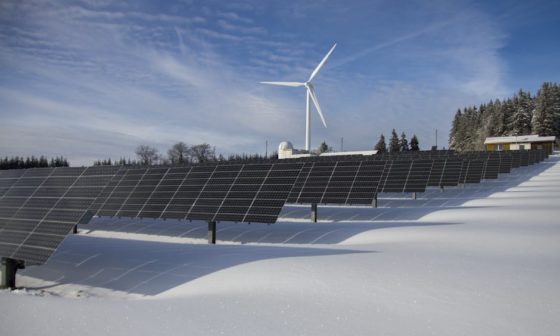
While the focus remains on “Net Zero,” the reality heading into 2026 is a hybrid approach. The Role of Renewable Energy in the 2026 Infrastructure Supercycle is massive, but it is increasingly paired with natural gas as a “bridge fuel” to ensure grid stability. Renewables like wind and solar are intermittent; natural gas peaker plants provide the necessary reliability when the sun doesn’t shine.
Infrastructure investors are increasingly looking at LNG (Liquefied Natural Gas) export terminals and pipelines as part of a “decarbonization-adjacent” strategy. This synergy ensures that while the green transition continues, energy security remains intact. Understanding this balance is critical when Understanding the Energy Capex Supercycle: Why Now is the Time to Invest, as the capital requirements for dual-fuel infrastructure are reaching record highs.
5. Nearshoring and Re-industrialization
The final mega trend is the massive shift of manufacturing back to North America and Europe, often referred to as “nearshoring” or “friend-shoring.” After decades of outsourcing, companies are moving production closer to home to avoid supply chain disruptions. This re-industrialization requires massive amounts of new infrastructure, including industrial-scale power connections, water treatment facilities, and transport logistics hubs.
This trend acts as a multiplier for energy demand. A new semiconductor “fab” or battery “gigafactory” can consume as much electricity as a mid-sized city. To capitalize on this, investors must learn How to Build a Resilient Energy Megatrend Portfolio for Long-Term Growth that accounts for localized industrial booms in specific geographic corridors.
Example Case Study: Vertiv Holdings Co
Vertiv provides the essential digital infrastructure for data centers, including thermal management and power distribution. As the 2026 capex supercycle accelerates, Vertiv has seen massive growth because it sits at the intersection of AI demand and the physical grid. It serves as a prime example of an “infrastructure-adjacent” stock that benefits from the same tailwinds as traditional utilities but with a more aggressive growth profile.
Actionable Insights for Investors Heading into 2026
Navigating these trends requires more than just picking stocks; it requires a strategy that accounts for volatility and historical cycles. Using Backtesting Energy Sector Strategies: Historical Performance of Infrastructure Assets can help investors understand how these assets perform during periods of high interest rates or inflation, both of which are likely to persist through 2026.
To manage the inherent risks of such a capital-heavy sector, implementing Risk Management Strategies for Volatile Energy Infrastructure Stocks is paramount. This includes diversifying between regulated utilities (for stability) and independent power producers or infrastructure tech firms (for growth).
| Mega Trend | Key Driver | Investment Focus |
|---|---|---|
| AI Power Demand | Data Center Expansion | Power distribution hardware, Hyperscaler REITs |
| Grid Modernization | Aging Infrastructure | Transmission & Distribution (T&D) companies |
| Hybrid Decarbonization | Renewable + Gas Synergy | LNG infrastructure, Solar/Battery storage |
| Nearshoring | Supply Chain Resilience | Industrial utilities, Logistics hubs |
Conclusion: Seizing the 2026 Opportunity
The “Top 5 Infrastructure Investing Mega Trends to Watch Heading into 2026” represent a generational shift in how capital is deployed across the globe. From the AI-driven power crunch to the massive re-industrialization of the West, the infrastructure sector is no longer a “defensive” play but a primary engine of economic growth. By aligning your portfolio with these structural shifts—and utilizing the detailed frameworks found in The Ultimate Guide to Energy Infrastructure Investing: Navigating the 2026 Capex Supercycle and Power Sector Megatrends—investors can turn the upcoming capex supercycle into a source of sustained long-term wealth. The key lies in identifying the companies that bridge the gap between physical necessity and technological innovation.
Frequently Asked Questions
1. Why is 2026 considered a “supercycle” year for infrastructure?
2026 marks the convergence of multi-year government funding rollouts (like the IIJA), the deadline for many corporate 2030 decarbonization milestones, and the peak construction phase for the first wave of AI-specific data centers, creating a massive spike in capital expenditure.
2. How does AI specifically affect infrastructure investments?
AI requires specialized data centers that consume 5-10 times more power than standard facilities. This forces investment into high-density cooling, advanced power transformers, and localized “behind-the-meter” power generation solutions.
3. Are renewable energy stocks still the best way to play this trend?
While renewables are vital, the “2026 supercycle” emphasizes the delivery of power. This means transmission, grid hardware, and storage often offer more stable returns than pure-play renewable generation, which can face pricing volatility.
4. What are the biggest risks to these infrastructure trends?
The primary risks include high interest rates (which increase the cost of capital-heavy projects), regulatory delays in permitting new transmission lines, and potential supply chain shortages for critical components like large-scale transformers.
5. Should I focus on ETFs or individual stocks for the 2026 trends?
ETFs provide broad exposure to the mega trends with less “single-stock” risk, while individual stocks allow for targeted bets on specific winners, such as companies specializing in AI cooling or high-voltage cable manufacturing.
6. How does “nearshoring” impact energy infrastructure?
Nearshoring increases local industrial power demand significantly. This requires utilities to build out new substations and feeder lines in specific industrial corridors, creating localized growth opportunities for infrastructure providers.
7. How can I learn more about the broader energy infrastructure landscape?
To get a comprehensive view of how these individual trends fit into the larger global market, refer to our pillar resource: The Ultimate Guide to Energy Infrastructure Investing: Navigating the 2026 Capex Supercycle and Power Sector Megatrends.