The global security landscape is undergoing its most radical transformation since the dawn of the nuclear age, driven by a paradigm shift from heavy hardware to agile, intelligence-driven platforms. Identifying the Top 10 Defense Tech Disruptors to Watch in the Next Decade is no longer just an exercise for military planners; it is a critical requirement for investors and technology strategists navigating The Future of Defense Technology: Software-Defined Systems and Space Infrastructure Investment. As traditional kinetic warfare integrates with cyber and space domains, the “software-defined” nature of modern defense ensures that the winners of the next decade will be those who master data processing, orbital logistics, and autonomous coordination.
Master Donchian Channels signals for profitable trading
Analyze Donchian ChannelsThe Emergence of Software-Defined Defense
The primary catalyst for disruption is the decoupling of hardware and software. Historically, a fighter jet or a tank was a static asset with a fixed lifecycle. Today, How Software-Defined Defense is Revolutionizing Modern Warfare Systems demonstrates that assets are now becoming “living” platforms. By utilizing modular software architectures, defense forces can update the capabilities of a drone or a satellite fleet overnight, much like a smartphone update, rather than waiting a decade for a new hardware iteration.
Top 10 Defense Tech Disruptors to Watch in the Next Decade
- AI-Driven Command and Control (JADC2): Artificial Intelligence is moving from experimental use to the core of Joint All-Domain Command and Control. By processing trillions of data points across sea, air, land, and space, AI enables near-instantaneous decision-making. For a deeper look at this integration, see The Role of AI and Machine Learning in Software-Defined Defense Architectures.
- Low Earth Orbit (LEO) Megaconstellations: The deployment of thousands of small satellites is providing ubiquitous, low-latency communication and continuous Earth observation. This shift makes Why Low Earth Orbit (LEO) Constellations are the New Frontier for Venture Capital a central theme for defense infrastructure.
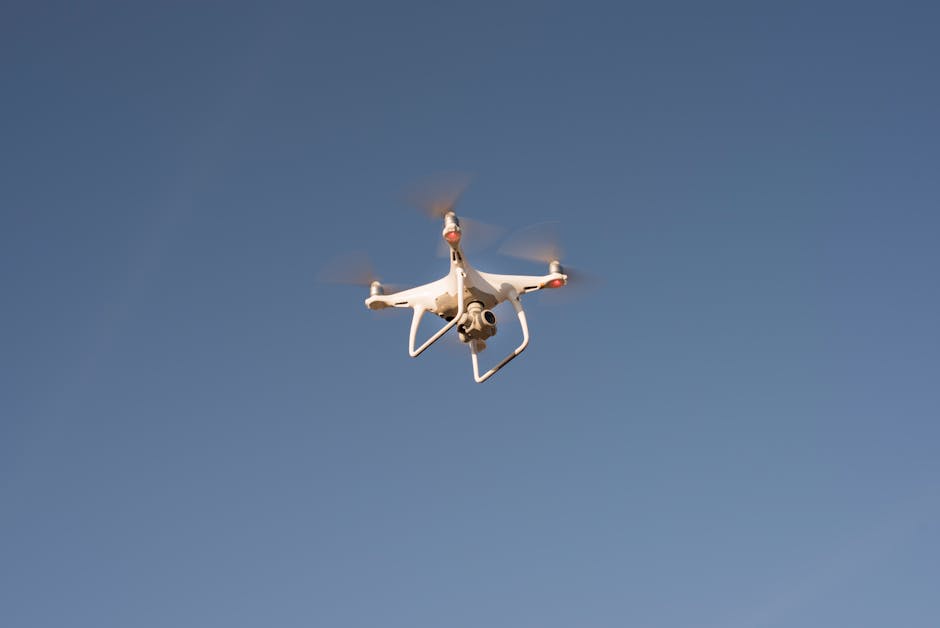
- Autonomous Swarm Intelligence: Instead of single, expensive drones, the future lies in “swarms”—hundreds of low-cost autonomous units that communicate with each other to overwhelm enemy defenses.
- Directed Energy Weapons (DEW): High-energy lasers and high-power microwaves offer a “nearly infinite magazine” at a fraction of the cost-per-shot of traditional missiles, providing a critical shield against drone and missile threats.
- Hypersonic Interceptors: As adversaries develop missiles traveling at Mach 5+, the disruptor to watch is the software-driven detection and interception systems capable of reacting at these extreme speeds.
- Space Debris Mitigation and Orbital Logistics: Maintaining a functional orbital environment is essential. Technologies focusing on Investing in the Cleanup: Top Space Debris Management Stocks for 2024 will become defensive necessities to protect multi-billion dollar space assets.
- Quantum Sensing and Cryptography: Quantum technologies will eventually render current encryption obsolete while providing sensors capable of detecting stealth aircraft or submerged submarines with unprecedented precision.
- MEO and Multi-Orbit Resilience: While LEO is crowded, the strategic use of Medium Earth Orbit provides a balance of coverage and signal strength. Investors are increasingly looking at Medium Earth Orbit (MEO) Advantages: Navigational and Communication Investment Opportunities as a redundant layer to LEO networks.
- Edge Computing for the Battlefield: Processing data at the “edge”—directly on the soldier’s wearable or the drone’s onboard computer—eliminates the latency of sending data back to a central cloud, saving lives in split-second engagements.
- Digital Twins and Synthetic Environments: Before a single piece of hardware is built, “Digital Twins” allow for millions of simulated combat hours to optimize performance and predict maintenance needs, drastically reducing R&D costs.
Case Studies in Defense Disruption
To understand the practical application of these disruptors, we can look at two specific examples currently reshaping the industry:
Case Study 1: Anduril Industries and the Lattice OS
Anduril has pioneered the concept of a software-first defense company. Their Lattice OS is an autonomous sensing and command-and-control platform that fuses data from diverse sensors (drones, towers, and satellites) into a single tactical picture. This is a prime example of software-defined defense, where the value lies in the AI’s ability to identify threats autonomously rather than the physical cameras or drones themselves.
Case Study 2: SpaceX Starshield
While Starlink provides global internet, Starshield is a specialized, government-focused constellation designed for high-security communications and Earth observation. It illustrates the blurring lines between commercial space infrastructure and national security. By leveraging LEO orbits, it provides a resilient network that is much harder to “kill” than a few large, expensive geostationary satellites. For more on the investment logic behind this, compare LEO vs MEO Satellites: A Comparative Guide for Space Sector Investors.
Actionable Insights for Investors and Strategists
Navigating the defense tech sector requires more than just identifying cool gadgets; it requires a rigorous analytical framework. High-growth defense stocks often trade on different metrics than traditional SaaS or manufacturing companies. Use the following table to understand the key investment drivers for these disruptors:
| Disruptor Category | Primary Growth Driver | Key Risk Factor |
|---|---|---|
| Software-Defined Systems | Recurring SaaS-like contracts | Cybersecurity Challenges |
| Space Infrastructure | Rapidly falling launch costs | Regulatory and Debris Risks |
| Autonomous Systems | Mass production scalability | Ethical AI Policy limitations |
For those looking to build a portfolio in this space, it is vital to perform historical analysis. Backtesting can help determine how defense stocks perform during periods of geopolitical tension versus peace-time budget cuts. Exploring Backtesting Investment Strategies for High-Growth Defense Technology Stocks can provide the quantitative edge needed to separate hype from long-term value.
Conclusion
The Top 10 Defense Tech Disruptors to Watch in the Next Decade represent a shift toward intelligence, speed, and resilience. From AI-driven command systems to the vast potential of LEO and MEO constellations, the defense sector is being rebuilt on a foundation of software and space-based infrastructure. As these technologies mature, the distinction between a “tech company” and a “defense company” will continue to vanish. To stay ahead of these trends, it is essential to view these individual disruptors through the lens of The Future of Defense Technology: Software-Defined Systems and Space Infrastructure Investment, ensuring a holistic understanding of how these systems will interconnect to define the modern battlefield.
Frequently Asked Questions
1. What makes a technology a “disruptor” in the defense sector?
A technology is considered a disruptor if it fundamentally changes the cost-exchange ratio of warfare—for example, a $500 drone destroying a $5 million tank, or software that allows legacy hardware to perform entirely new missions.
2. Why is software-defined defense considered more important than new hardware?
Hardware takes years to build and deploy, whereas software can be updated in real-time to counter new threats, making the military more agile and reducing the long-term cost of maintaining systems.
3. How does the space debris problem affect defense investments?
Space debris poses a “kinetic threat” to the satellites that modern defense relies on. Companies solving this problem are critical because, without a clean orbit, trillions of dollars in space infrastructure are at risk.
4. Is AI in defense safe from cyberattacks?
No, software-defined systems face significant Cybersecurity Challenges. The more a system relies on data and connectivity, the more vulnerable it becomes to electronic warfare and hacking.
5. What is the difference between LEO and MEO for defense purposes?
LEO (Low Earth Orbit) offers high speed and low latency for communications, while MEO (Medium Earth Orbit) provides better persistence and broader coverage, often used for GPS and navigational resilience.
6. Can small-scale investors participate in these defense tech trends?
Yes, while many companies are private venture-backed startups, many public “prime” contractors are acquiring these disruptors, and several ETFs focus specifically on the intersection of space and defense technology.
7. How do regulatory risks impact these technologies?
Defense tech is heavily regulated by international treaties and national export controls (like ITAR). Changes in space law or AI ethics regulations can significantly impact the “time-to-market” for these disruptors.