The rapid expansion of artificial intelligence is fundamentally altering the global energy landscape. As large language models become more complex, the facilities that house them require an unprecedented amount of stable, carbon-free electricity. This shift has placed The Role of Nuclear Energy in Meeting AI Data Center Power Requirements at the forefront of the conversation for tech giants and energy investors alike. While solar and wind are critical components of the transition, their intermittent nature presents challenges for the “always-on” requirements of high-compute environments. For a broader look at how this surge is reshaping markets, see our pillar article on The AI Power Grid Boom: A Comprehensive Guide to Investing in the Global Electricity Demand Surge. As data center operators face mounting pressure to hit net-zero targets while maintaining 99.999% uptime, nuclear energy has emerged as the most viable solution for providing the high-density baseload power necessary to fuel the AI revolution.
The Reliability Mandate: Why Nuclear Outperforms Renewables for AI
Data centers are distinct from traditional industrial loads because of their requirement for constant, non-fluctuating power. In the context of How Generative AI is Driving Global Electricity Demand: Projections for 2026 and Beyond, it is clear that intermittent sources like solar and wind cannot satisfy the around-the-clock consumption patterns of modern H100 GPU clusters without massive, cost-prohibitive battery storage.
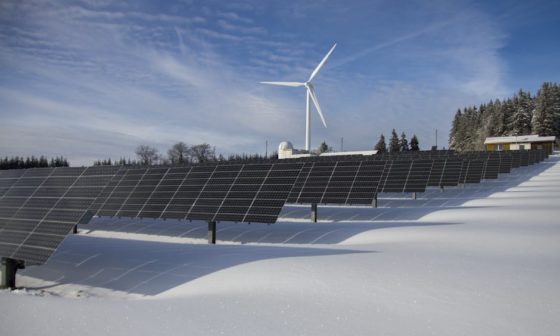
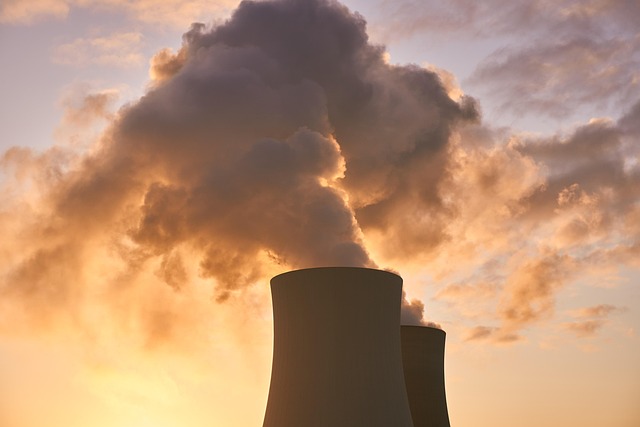
Nuclear power plants operate at a capacity factor of over 90%, significantly higher than solar (25%) or wind (35%). This reliability is essential for maintaining the cooling systems and processing power required by AI. Unlike Renewable Energy Integration which often relies on the grid’s ability to balance surges, nuclear energy provides a steady “flatline” of power that aligns perfectly with the predictable, high-load demand of a hyperscale data center.
Small Modular Reactors (SMRs) and the Future of Co-location
One of the most exciting developments in The Role of Nuclear Energy in Meeting AI Data Center Power Requirements is the rise of Small Modular Reactors (SMRs). Unlike traditional gigawatt-scale plants that take a decade to build, SMRs are designed to be factory-built and deployed directly at the site of the data center.
- Reduced Transmission Loss: By co-locating the reactor with the data center, companies avoid the inefficiencies of long-distance power transmission.
- Scalability: Data center operators can add modular reactor units as their compute capacity grows.
- Grid Independence: SMRs allow for “behind-the-meter” power setups, protecting the data center from external grid instability and volatility in the power sector.
While SMRs are still in the early commercialization phase, they represent a fundamental shift in how utilities and infrastructure plays are valued by investors looking for long-term AI exposure.
Case Study 1: Microsoft and the Revival of Three Mile Island
In a landmark move for the industry, Microsoft recently signed a 20-year power purchase agreement (PPA) with Constellation Energy to restart Unit 1 of the Three Mile Island nuclear plant. Renamed the Crane Clean Energy Center, this project is a prime example of how tech companies are willing to pay a premium for carbon-free baseload power.
This deal highlights a critical trend: the “re-nuclearization” of the grid. Microsoft is essentially securing a dedicated power source to ensure its Azure AI services remain operational without increasing its carbon footprint. For investors, this signals that existing nuclear assets are becoming high-value “bottleneck” assets in the AI supply chain.
Case Study 2: Amazon’s Acquisition of the Talen Energy Campus
Amazon Web Services (AWS) took a different approach by purchasing a 960-megawatt data center campus located directly adjacent to the Susquehanna Steam Electric Station in Pennsylvania. This co-location strategy allows Amazon to bypass much of the regulatory red tape associated with connecting to the public grid.
By sourcing power directly from Talen Energy, AWS secures a fixed-price, long-term energy supply. This strategy is an essential component of Risk Management in AI Energy Investing, as it shields the company from the rising costs of traditional grid power while ensuring their generative AI training runs are never interrupted.
Actionable Insights for Investors in the Nuclear-AI Space
Investors looking to capitalize on The Role of Nuclear Energy in Meeting AI Data Center Power Requirements should look beyond the hardware manufacturers and consider the broader ecosystem.
- Focus on Independent Power Producers (IPPs): Companies that own and operate nuclear fleets, such as Vistra Corp and Constellation Energy, are seeing their valuations re-rated as “AI plays.”
- Uranium Supply Chain: The increased demand for nuclear power will tighten the uranium market. This is closely linked to the hidden supply chain of the AI power surge.
- Modernization Technology: Companies providing Smart Grid Technologies to integrate these reactors into existing infrastructure are vital for the next phase of deployment.
Before committing capital, it is wise to employ data-driven methods. Backtesting energy sector strategies during technological shifts can reveal how traditional utilities respond to sudden demand spikes similar to the current AI boom.
Challenges and Regulatory Hurdles
Despite the promise, nuclear energy faces significant hurdles. Public perception, radioactive waste management, and the high upfront capital costs of new builds remain contentious. Furthermore, while AI-driven demand forecasts can help utilities plan, the regulatory environment for nuclear energy is notoriously slow. Investors must account for the “political risk” inherent in nuclear projects, even those backed by the wealthiest tech corporations on earth.
The Synergy of AI and Nuclear Efficiency
Interestingly, the relationship is becoming symbiotic. AI is being used to optimize nuclear reactor performance. From predictive maintenance of turbines to using machine learning for safer fuel rod management, AI is helping the nuclear industry become more efficient. This creates a virtuous cycle where nuclear power fuels AI, and AI enhances the longevity and safety of nuclear power, as detailed in our guide on Top Data Center Energy Stocks to Buy for the AI Revolution.
Conclusion: The Nuclear Backbone of the Digital Frontier
The convergence of artificial intelligence and nuclear energy represents one of the most significant shifts in the modern industrial era. As AI demand forces a re-evaluation of grid stability and carbon goals, nuclear energy has moved from a legacy technology to a futuristic necessity. Whether through the revival of mothballed plants or the deployment of next-generation SMRs, nuclear power provides the 24/7 reliability that no other carbon-free source can currently match. For those looking to understand the full scope of this transformation and the investment opportunities it creates, revisiting The AI Power Grid Boom: A Comprehensive Guide to Investing in the Global Electricity Demand Surge provides the necessary context for this multi-decade transition.
Frequently Asked Questions
Why is nuclear energy preferred over solar for AI data centers?
AI data centers require a constant, stable power load 24 hours a day. While solar is clean, it is intermittent and requires expensive battery storage to provide the 90%+ capacity factor that nuclear plants offer naturally.
What are Small Modular Reactors (SMRs) and why do they matter for AI?
SMRs are smaller, factory-built nuclear reactors that can be deployed closer to the point of use. For data centers, they offer the ability to scale power capacity incrementally and maintain independence from the traditional power grid.
How does the Microsoft/Three Mile Island deal affect energy investors?
The deal proves that tech giants are willing to sign long-term, high-value contracts for nuclear power. This re-values existing nuclear assets and provides a stable revenue roadmap for utilities with nuclear capabilities.
Are there environmental risks to using nuclear for AI?
The primary concerns remain nuclear waste disposal and the high usage of water for cooling. However, from a carbon-emission standpoint, nuclear is one of the cleanest options available to meet the massive energy demands of AI.
Can the existing power grid handle the AI surge without new nuclear plants?
Current projections suggest that many regional grids are already reaching capacity. Without new baseload power sources like nuclear, the risk of brownouts increases, potentially forcing data centers to rely on carbon-heavy fossil fuels to maintain uptime.
How does nuclear energy fit into “The AI Power Grid Boom” investment theme?
Nuclear represents the “stability” pillar of the investment theme. While renewables provide growth and minerals provide the supply chain, nuclear energy provides the essential infrastructure that ensures the AI revolution doesn’t outpace the grid’s physical limits.
What stocks are most associated with the nuclear-AI trend?
Investors typically look at independent power producers like Constellation Energy (CEG) and Vistra (VST), as well as SMR pioneers like NuScale (SMR), though the latter carries higher venture-style risk.