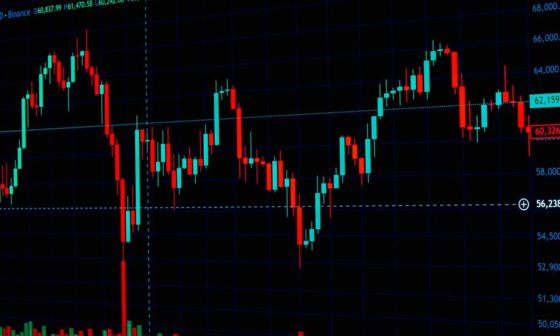
Applying Marcel Link’s Strategies to Crypto Currencies requires a disciplined approach to navigate the market’s inherent volatility. By adapting the core tenets found in High Probability Trading: Mastering Marcel Link’s Blueprint for Consistent Success, traders can filter out the noise of speculative “altcoin” cycles. Link’s philosophy emphasizes waiting for the perfect setup rather than overtrading. In the crypto space, this means applying rigorous technical filters to volatile assets. By combining volume analysis with price action, traders can identify high-conviction entries in Bitcoin or Ethereum, ensuring that every trade is backed by a statistical advantage rather than mere hype or FOMO (fear of missing out).
Validate your strategy with instant backtesting
Backtest LibraryAdapting Technical Filters to Crypto Volatility
In the crypto markets, traditional indicators can often produce false signals due to extreme price swings. To apply Marcel Link’s methodology effectively, traders must learn how to use technical indicators to filter low-probability trades. In crypto, this often involves using the Average Directional Index (ADX) to ensure a strong trend is present before entering. Link suggests that high-probability trades occur when multiple indicators align; for instance, a Relative Strength Index (RSI) divergence combined with a breakout from a well-known chart pattern.
Practical insights for crypto traders include:
- Wait for Consolidation: High-probability setups in crypto often follow a period of low volatility (the “squeeze”).
- Volume Confirmation: Link emphasizes that a move without volume is a trap. Always look for rising volume on crypto breakouts.
- Timeframe Alignment: Use a top-down approach by checking the daily chart for the trend and the 4-hour chart for high probability entry points.
Risk Management: The Crypto Necessity
Marcel Link’s work highlights that most traders fail because of poor risk controls. When dealing with assets that can move 10% in an hour, Marcel Link’s guide to risk management and position sizing becomes your most important tool. Instead of fixed dollar amounts, Link advocates for position sizing based on a percentage of equity and the distance to the stop-loss.
| Strategy Component | Standard Asset Application | Crypto Market Adaptation |
|---|---|---|
| Stop-Loss Distance | Tight (1-2% from entry) | Wide (5-10% to account for “wicks”) |
| Position Size | Standard (e.g., 5% of portfolio) | Reduced (e.g., 1-2% of portfolio) |
| Leverage | Moderate (3x – 10x) | Very Low or Spot Only (1x – 3x) |
Case Studies: Applying the Blueprint
To see these strategies in action, let’s look at two specific examples relevant to current crypto market dynamics:
- The Bitcoin Bull Flag (Trend Following): In late 2023, Bitcoin formed a classic bull flag on the daily chart. A trader following Link’s strategy would have waited for a decisive breakout on high volume, rather than “anticipating” the move. By identifying candlestick patterns for high-win-rate setups, such as a bullish engulfing candle on the breakout, the trader could have entered with a clear stop below the flag’s support.
- Ethereum Mean Reversion: During periods of extreme overextension, Link’s strategies suggest looking for mean reversion. When ETH deviates significantly from its 20-period Moving Average and the RSI hits overbought levels (above 80 in crypto), a trader might wait for a specific chart pattern like a “double top” before shorting or exiting a long position.
The Role of Backtesting and Discipline
Crypto markets never sleep, which leads to emotional exhaustion and poor decision-making. Link’s emphasis on the psychology of discipline is vital here. Furthermore, because crypto data is readily available, traders should prioritize the importance of backtesting in high probability trading. Before risking capital on a new altcoin, run your strategy through historical data to ensure it has a positive expectancy during both “bull” and “bear” cycles.
For those looking to transition from other markets, Marcel Link’s high probability trading in futures markets offers a great bridge, as crypto perpetual futures behave similarly to traditional commodity futures, albeit with higher retail participation and liquidation cascades.
Conclusion
Applying Marcel Link’s strategies to crypto currencies is about bringing professional-grade rigor to a retail-heavy market. By focusing on Marcel Link’s core principles—patience, risk management, and technical confirmation—you can avoid the common pitfalls that lead to “rekt” accounts. Whether you are developing a custom strategy or refining your current setup, the key is to treat crypto with the same seriousness as any other asset class. To master the full methodology, revisit the comprehensive guide on High Probability Trading: Mastering Marcel Link’s Blueprint for Consistent Success.
Frequently Asked Questions
How do Marcel Link’s strategies handle the 24/7 nature of crypto?
Link’s strategies emphasize trading only when high-probability setups occur, which actually helps crypto traders avoid the “always-on” fatigue. By using alerts and limit orders based on pre-defined chart patterns, you can maintain discipline without monitoring screens constantly.
Are technical indicators as reliable in crypto as they are in stocks?
Indicators are effective in crypto but require different settings to filter out noise. As discussed in filtering low-probability trades, using higher timeframes like the daily or weekly helps smooth out crypto’s inherent volatility.
What is the best way to manage risk with volatile altcoins?
According to Link’s principles, you should reduce your position size as volatility increases. If an altcoin is twice as volatile as Bitcoin, your position size should be at least half the size of your BTC trades to keep your total “at-risk” capital constant.
Can Link’s “High Probability” blueprint help with “meme coin” trading?
Generally, Link’s methodology discourages trading assets without fundamental or strong technical backing. However, his principles on psychological discipline are essential for avoiding the emotional traps common in meme coin speculation.
How important is backtesting for crypto trading strategies?
Backtesting is critical because crypto market regimes change quickly. By following lessons from Marcel Link, traders can verify if their strategy survives both parabolic runs and 80% drawdowns before committing real funds.
Does Link recommend using leverage in crypto?
While Link covers futures, he warns against excessive leverage. In crypto, where liquidations are frequent, applying Link’s risk management usually means using very low leverage or sticking to spot trading to stay in the game long-term.
How do I start building a crypto strategy based on Marcel Link?
Start by identifying 2-3 high-probability setups, such as those found in identifying candlestick patterns. Document these in a trading plan and use Link’s “Blueprint” to ensure you have a clear entry, exit, and risk management rule for every trade.