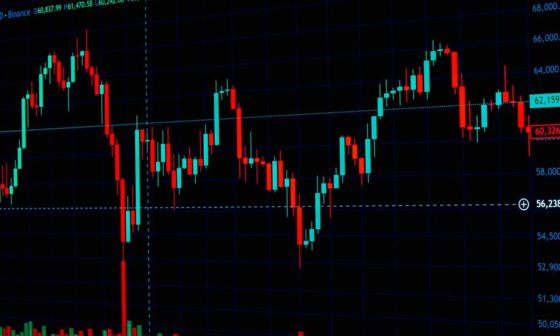
Marcel Link’s High Probability Trading in Futures Markets: A Practical Guide serves as an essential framework for navigating the volatile world of derivatives. Unlike equities, futures require a specialized approach to leverage and timing, which Link masterfully addresses. This guide emphasizes waiting for the “perfect pitch” by combining multi-timeframe analysis with disciplined risk control. By integrating this manual into the broader High Probability Trading: Mastering Marcel Link’s Blueprint for Consistent Success, traders learn to filter noise and focus on setups with high reward-to-risk ratios. Link’s methodology transforms futures trading from a speculative gamble into a structured, professional business venture.
Validate your strategy with instant backtesting
Backtest LibraryNavigating the Futures Market with Link’s Methodology
Trading futures offers unique challenges, primarily due to inherent leverage and contract expirations. In Marcel Link’s High Probability Trading in Futures Markets: A Practical Guide, the emphasis shifts from simply “being right” to “being patient.” Understanding Marcel Link’s Core Principles: Why Most Traders Fail and How to Avoid It is the first step in surviving the high-stakes environment of futures like the E-mini S&P 500 or Crude Oil.
Link suggests that futures traders must act like “snipers” rather than “machine gunners.” This involves using specific filters to identify setups where the odds are heavily skewed in the trader’s favor. These filters often include a combination of trend-following indicators and momentum oscillators to ensure the trade aligns with the dominant market direction.
Practical Examples of High Probability Futures Trades
To implement Link’s advice effectively, consider these two specific case studies that highlight his approach to high probability entries:
- Case Study 1: The E-mini S&P 500 Mean Reversion – Using a 15-minute chart for entry and a 60-minute chart for trend confirmation, a trader identifies an oversold condition during a primary uptrend. By Mastering Chart Patterns for High Probability Entry Points, the trader waits for a bullish pin bar at a key support level before entering, ensuring a tight stop-loss.
- Case Study 2: Crude Oil Breakout with RSI Filter – In a range-bound market, Link advises against trading the middle. Instead, traders look for a breakout supported by rising volume and an RSI reading above 50 but not yet overbought. This uses How to Use Technical Indicators to Filter Low-Probability Trades to avoid “fake-outs” common in commodity futures.
Risk Management and Tactical Execution
In the futures market, a single mistake can be catastrophic due to margin requirements. Therefore, Marcel Link’s Guide to Risk Management and Position Sizing is non-negotiable. He advocates for never risking more than 1-2% of account equity on a single futures contract. This conservative approach allows traders to withstand the “noise” and volatility inherent in these instruments.
Furthermore, before risking capital, Link insists on The Importance of Backtesting in High Probability Trading. Futures markets behave differently than stocks; they often trend more strongly but also experience sharper reversals. Backtesting helps in Developing a Custom Strategy Based on Marcel Link’s Methodology that accounts for the specific “personality” of each futures contract.
Advanced Insights: Candlesticks and Discipline
Link often relies on price action to confirm what indicators suggest. Identifying Candlestick Patterns for High-Win-Rate Setups allows a futures trader to see the immediate battle between bulls and bears. This real-time data is crucial when trading fast-moving markets. However, even the best patterns fail without The Psychology of Discipline: Lessons from High Probability Trading. Futures trading is as much a mental game as it is a mathematical one, requiring the emotional fortitude to take small losses and wait for the right setup.
While his guide was originally written for traditional markets, modern traders are successfully Applying Marcel Link’s Strategies to Crypto Currencies, which often mirror the volatility and technical behavior of futures contracts.
Conclusion: Mastering the High Probability Approach
Marcel Link’s High Probability Trading in Futures Markets provides a blueprint for consistency in an arena where most fail. By focusing on stringent trade selection, robust risk management, and psychological discipline, traders can move away from gambling and toward professional speculative success. To truly excel, it is vital to view these tactics as part of the total High Probability Trading: Mastering Marcel Link’s Blueprint for Consistent Success. Consistent profitability in futures is not about the number of trades, but the quality of each execution and the discipline to follow a proven system.
Frequently Asked Questions
- What is the core philosophy of Marcel Link’s futures guide? It emphasizes “waiting for the fat pitch,” meaning traders should only execute when multiple technical and fundamental factors align to create a high-win-rate scenario.
- How does Link suggest managing leverage in futures? He advocates for strict position sizing and stop-loss placement, ensuring that no single trade can significantly damage the overall account balance despite the high leverage offered by futures brokers.
- Can these futures strategies be applied to day trading? Yes, the guide is highly relevant for day traders, focusing on multi-timeframe analysis to ensure intraday moves are supported by the larger market trend.
- Which technical indicators are most recommended for futures? Link often utilizes ADX for trend strength, RSI for momentum, and Moving Averages to define the primary trend and potential support/resistance zones.
- How do candlestick patterns improve futures trading success? Patterns like “Engulfing” or “Hammers” provide visual evidence of price rejection or acceptance at key levels, offering high-probability entry signals when combined with other indicators.
- Why is backtesting specifically mentioned for futures? Futures markets have different tick values and volatility profiles; backtesting ensures a strategy is viable for the specific contract being traded, such as Gold versus the Japanese Yen.
- Is discipline more important in futures than in stocks? Yes, because the speed and leverage of futures can amplify mistakes quickly, making psychological discipline the cornerstone of Link’s blueprint for success.