Understanding **Marcel Link’s Core Principles: Why Most Traders Fail and How to Avoid It** is the first step toward moving from a frustrated amateur to a professional market participant. According to Link, the primary reason for failure isn’t just a lack of technical knowledge, but rather a lack of a structured approach to risk and high-probability setups. By internalizing these principles, traders can transition away from the “gambler’s mentality” and adopt the “business owner’s mentality” essential for long-term survival. This guide serves as a deep dive into the foundational elements of High Probability Trading: Mastering Marcel Link’s Blueprint for Consistent Success, providing the framework needed to avoid common pitfalls.
Validate your strategy with instant backtesting
Backtest LibraryThe Primary Reasons Most Traders Fail
Marcel Link argues that the majority of retail traders fail because they treat the markets like a casino rather than a professional workplace. The lack of a rigorous process is the “silent killer” of trading accounts. Most beginners enter trades based on “gut feelings” or news headlines without a verified statistical edge. Without The Importance of Backtesting in High Probability Trading: Lessons from Marcel Link, these traders have no way of knowing if their strategy even works over a large sample size.
Another critical failure point is the inability to manage emotions during market volatility. When a trader does not have a plan, fear and greed take control. This often leads to over-trading, revenge trading, or cutting winners short while letting losers run. Link emphasizes that mastering The Psychology of Discipline: Lessons from High Probability Trading is just as important as reading a chart, as discipline is what keeps you attached to your plan when the market turns against you.
Filtering for High-Probability Setups
A core principle of Link’s methodology is selectivity. Most traders fail because they try to catch every move in the market. In contrast, successful traders wait for the market to come to them. By using specific filters, you can significantly increase your win rate by ignoring “noise” and focusing only on “A+” setups.
Link suggests combining multiple layers of analysis to confirm a trade. For instance, you might use Identifying Candlestick Patterns for High-Win-Rate Setups: Lessons from Marcel Link to find entry triggers, but only if they align with the broader trend. Furthermore, learning How to Use Technical Indicators to Filter Low-Probability Trades ensures that you aren’t fighting the momentum of the market. If the indicators don’t align, there is no trade.
The Essential Pillar of Risk Management
Even a trader with a 70% win rate can go broke if they don’t understand position sizing. One of the most common reasons for failure is over-leveraging—taking positions that are too large relative to the account size. Link’s core principle is clear: never risk more than a small, fixed percentage of your equity on a single trade. Detailed strategies on this can be found in Marcel Link’s Guide to Risk Management and Position Sizing.
Proper risk management allows a trader to survive a losing streak without suffering a “blown account.” This is especially vital when Applying Marcel Link’s High Probability Trading in Futures Markets, where leverage is high and the margin for error is razor-thin.
Example 1: The “Revenge Trading” Trap
Consider a trader, “John,” who loses $500 on a breakout trade that failed. Frustrated and wanting his money back, John immediately enters a larger position in the opposite direction without any technical confirmation. This is a classic violation of Marcel Link’s principles. John is trading based on emotion, not a high-probability setup. By the end of the day, John has lost $2,000, not because the market was “rigged,” but because he lacked the discipline to wait for a valid signal. A successful trader would have accepted the $500 loss as a cost of doing business and waited for the next setup identified through Mastering Chart Patterns for High Probability Entry Points.
Example 2: High Volatility in Crypto Markets
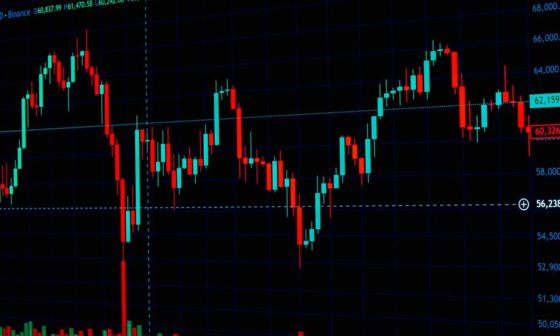
Many traders moved to digital assets hoping for quick riches but found themselves liquidated. When Applying Marcel Link’s Strategies to Crypto Currencies, the core principles of patience and risk management become even more critical. A trader who uses Link’s methodology might wait for a specific pullback to a moving average on Bitcoin rather than chasing a 10% vertical move. By avoiding the FOMO (Fear Of Missing Out) that plagues the crypto space, the high-probability trader protects their capital during inevitable flash crashes.
Developing Your Own High-Probability System
To avoid failure, you must eventually move beyond general advice and create a personalized trading plan. This involves Developing a Custom Strategy Based on Marcel Link’s Methodology that fits your specific schedule, risk tolerance, and psychological makeup. Whether you prefer scalping futures or swing trading equities, your plan must be written down and followed religiously.
A professional plan includes:
- Defined entry criteria based on proven patterns.
- Specific exit points for both profit and loss.
- Maximum risk per trade (e.g., 1% or 2%).
- A checklist to filter out low-probability environments.
Conclusion: The Path to Consistent Success
The journey from failure to success in the markets is paved with discipline, risk management, and the relentless pursuit of high-probability setups. Marcel Link’s Core Principles: Why Most Traders Fail and How to Avoid It highlights that success is not about predicting the future, but about managing probabilities and protecting capital. By mastering these foundational concepts, you can stop the cycle of losses and start building a sustainable trading career. To further refine your approach, continue exploring the comprehensive guide on High Probability Trading: Mastering Marcel Link’s Blueprint for Consistent Success to see how these principles integrate into a complete market strategy.
Frequently Asked Questions
1. Why does Marcel Link emphasize waiting for the market to come to you?
Waiting for the market prevents over-trading and ensures you are only entering positions where the statistical odds are in your favor. Link believes that most losses occur when traders force trades out of boredom or a desire to “make something happen” rather than reacting to clear signals.
2. Can these principles be applied to day trading?
Yes, these principles are highly effective for day trading. By focusing on high-probability entry points and using tight risk management, day traders can avoid the “death by a thousand cuts” that comes from taking too many mediocre trades.
3. What is the most common mistake beginners make according to Link?
The most common mistake is a lack of discipline, specifically failing to use stop-losses and risking too much capital on a single trade. This transforms trading from a professional endeavor into a high-stakes gamble that almost always ends in failure.
4. How does backtesting help in following Marcel Link’s blueprint?
Backtesting provides the historical data needed to build confidence in a strategy. When you know a setup has worked 60% of the time over the last five years, you are much more likely to stay disciplined and execute the trade during a drawdown.
5. Is risk management more important than the actual entry signal?
In Link’s view, risk management is the single most important factor for survival. You can have a mediocre entry strategy and still survive with great risk management, but even the best entry strategy will fail if you do not control your position sizes and losses.
6. How can I start applying these core principles today?
Start by reviewing your last ten trades and identifying how many were “forced” versus how many met strict criteria. Then, commit to a smaller position size and a written checklist for your next five trades to build the habit of disciplined execution.
7. How do these principles relate to the broader High Probability Trading blueprint?
These principles form the “why” and “how” behind the blueprint. While the broader blueprint offers the specific tools and patterns, the core principles provide the psychological and structural foundation required to use those tools effectively.