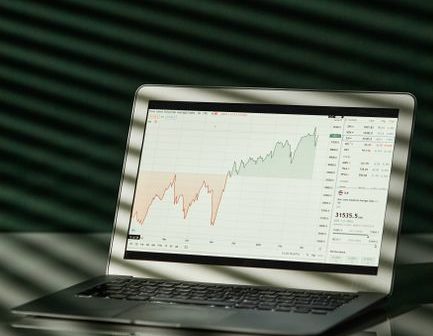
Establishing a professional process is the cornerstone of How to Build a Professional Trading Routine Based on The Art of Currency Trading – Brent Donnelly. In his methodology, Donnelly argues that trading success is not about predicting the future, but about creating a repeatable, disciplined environment where high-probability decisions can be made under pressure. By integrating macro awareness with strict technical triggers, a trader moves away from emotional “clicking” toward a systematic business model. This structured approach is a vital component of The Art of Currency Trading: A Comprehensive Guide to Brent Donnelly’s Methodology, providing the necessary scaffolding for both novice and experienced market participants.
Validate your strategy with instant backtesting
Backtest LibraryThe Three Pillars of a Brent Donnelly Routine
To emulate the workflow of an institutional trader, Donnelly suggests dividing the day into three distinct phases: preparation, execution, and review. This prevents the common error of entering the market “cold” without understanding the prevailing narrative.
- The Pre-Market Scan: This involves reviewing the economic calendar and overnight price action. A trader must understand Mastering Macro Fundamentals in Forex: Lessons from Brent Donnelly to determine if the current environment is “Risk-On” or “Risk-Off.”
- Intermarket Correlation Check: Donnelly emphasizes that currencies do not move in a vacuum. A professional routine must include The Role of Intermarket Analysis in Brent Donnelly’s Trading Framework, looking at bond yields, equity futures, and commodities to confirm currency trends.
- Narrative Assessment: Identify what the market “cares about” today. Is it inflation data, geopolitical tension, or central bank speakers?
Tactical Execution and Mid-Day Management
Once the macro backdrop is clear, the routine shifts to tactical execution. This is where Sentiment Analysis in Forex: Identifying Market Extremes with Brent Donnelly becomes useful for timing entries. Professional traders set their levels early and wait for price to reach them, rather than chasing candles.
During the trading session, focus on:
- Maintaining Psychological Equilibrium: Referencing Brent Donnelly’s Trading Philosophy: Why Psychology Trumps Technicals, the routine should include breaks to avoid “screen fatigue” and revenge trading.
- Risk Monitoring: Constant awareness of total heat (portfolio risk). Donnelly’s approach is detailed in Risk Management Secrets: Protecting Your Capital Like a Pro FX Trader – Brent Donnelly.
- Adaptability: If a news event invalidates your thesis, the routine demands an immediate exit.
Specific Case Studies in Routine Application
Example 1: The G10 Rate Decision Routine
When a central bank like the FOMC or ECB is scheduled to speak, a professional routine involves clearing existing small positions to reduce “noise.” The trader reviews historical reactions and identifies key levels of support and resistance. By the time the news hits, the trader has a “if/then” plan, preventing the analysis paralysis often seen in retail trading. This same discipline can be applied when Applying Brent Donnelly’s Tactical Execution to Crypto Markets during high-volatility events.
Example 2: The Monday Morning Gap Analysis
Donnelly often looks at weekend developments to see if the market has mispriced a new reality. A professional routine includes a Sunday night review of global headlines. If a gap occurs, the trader uses Backtesting Donnelly’s Strategies: From Theory to Real-World Performance to determine if the gap is likely to be filled or if it represents a “breakaway” move that should be joined.
The Post-Market Review: Journaling for Growth
The day does not end when the charts are closed. A professional routine requires a rigorous debrief. Using The Importance of Trade Journaling: Brent Donnelly’s Approach to Improvement, traders should document not just the profit/loss, but the quality of the execution. Did you follow the plan? Did you succumb to Common Pitfalls in Currency Trading and How to Avoid Them – Brent Donnelly? This feedback loop is what turns a hobby into a profession.
Conclusion
Mastering How to Build a Professional Trading Routine Based on The Art of Currency Trading – Brent Donnelly is about more than just a checklist; it is about adopting a professional mindset that prioritizes process over outcomes. By spending time on macro preparation, intermarket analysis, and honest self-reflection through journaling, you create a sustainable path to profitability. For a deeper understanding of how these daily habits fit into the larger strategy of market mastery, revisit our core resource, The Art of Currency Trading: A Comprehensive Guide to Brent Donnelly’s Methodology.
FAQ
| How much time should I spend on my pre-market routine? | According to Donnelly’s principles, 30 to 60 minutes is usually sufficient to review the economic calendar, intermarket correlations, and overnight price action. |
| What is the most important part of the routine? | The post-trade review or journaling is often considered the most critical, as it provides the data necessary to correct behavioral errors and refine technical strategies. |
| Should my routine change for different asset classes like Crypto? | While the core philosophy remains the same, the timing might shift; however, the emphasis on risk management and sentiment remains constant across all markets. |
| How does intermarket analysis fit into a daily routine? | It serves as a filter; for example, if you are bullish on the USD, your routine should involve checking if bond yields and equity sentiment support that bias. |
| How do I avoid burnout with such a structured routine? | Donnelly suggests scheduling specific “away from screen” times and strictly adhering to risk limits to reduce the emotional toll of high-frequency monitoring. |
| Can a routine help me avoid common trading pitfalls? | Yes, a written checklist forces you to justify every trade against your rules, significantly reducing the likelihood of impulsive or revenge trading. |
| Is a professional routine necessary for part-time traders? | Absolutely; in fact, it is even more critical for part-time traders to have a condensed, efficient routine to maximize their limited time in the market. |