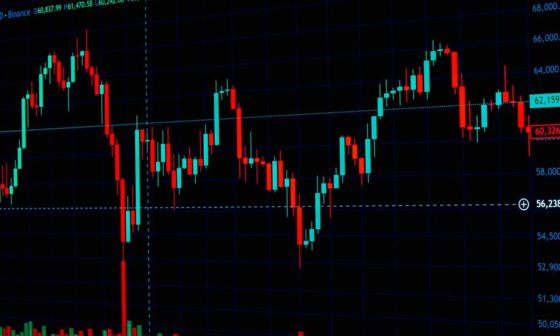
Mastering Sentiment Analysis in Forex: Identifying Market Extremes with Brent Donnelly is vital for any serious trader. Brent emphasizes that while fundamentals drive direction, sentiment identifies the turning points. This approach serves as a cornerstone of The Art of Currency Trading: A Comprehensive Guide to Brent Donnelly’s Methodology. By pinpointing when positioning reaches a “breaking point,” traders can exit winning trades or enter contrarian positions with high conviction. This process requires more than just looking at charts; it involves integrating Brent Donnelly’s Trading Philosophy: Why Psychology Trumps Technicals to understand the collective mindset of the market and avoid the herd mentality.
Validate your strategy with instant backtesting
Backtest LibraryThe Mechanics of Sentiment: Finding the Breaking Point
In the world of Brent Donnelly, sentiment is not a vague “vibe” but a quantifiable state of market positioning. When everyone is long, there is no one left to buy, regardless of how good the news is. This is the essence of a market extreme. Donnelly teaches traders to look for the “rubber band” effect—where price has stretched so far away from the fundamental reality or historical mean that a snapback is inevitable.
To identify these extremes, Donnelly utilizes several key indicators:
- Commitment of Traders (COT) Reports: Tracking where large speculators and commercial hedgers are positioned.
- Retail Sentiment Aggregators: Observing when retail traders are 80-90% skewed in one direction, which often serves as a powerful contrarian signal.
- Consensus Narratives: Monitoring financial media for “unanimous” predictions, which frequently signal the top or bottom of a move.
This data must be contextualized within the broader macro environment, as detailed in Mastering Macro Fundamentals in Forex: Lessons from Brent Donnelly.
Practical Examples of Market Extremes
Understanding theory is one thing, but seeing sentiment extremes in action is where the profit lies. Here are two specific examples of how these principles manifest in the real world:
Case Study 1: The USD/JPY Peak of 2022
In late 2022, the USD/JPY pair reached levels not seen in decades. The fundamental narrative was “long USD” due to interest rate differentials. However, sentiment data showed that speculative positioning was at multi-year extremes. When the Bank of Japan finally intervened, the market “air pocket” below was massive because everyone was already positioned for further upside. Traders who followed The Role of Intermarket Analysis in Brent Donnelly’s Trading Framework saw the exhaustion in yields and correctly anticipated the reversal.
Case Study 2: Commodity Currencies and “Good News Fatigue”
Donnelly often points to “Good News Fatigue” as a sentiment signal. For example, if the Reserve Bank of Australia delivers a hawkish rate hike but the AUD/USD fails to rally or even closes lower, it suggests that the “bullishness” is fully priced in. This is a classic market extreme where the last buyer has already entered the market.
Integrating Sentiment into Your Trading Routine
To successfully trade sentiment, it must be part of a disciplined process. You should incorporate sentiment checks into your daily habit, as suggested in How to Build a Professional Trading Routine Based on The Art of Currency Trading – Brent Donnelly.
A professional approach involves:
- Reviewing the COT report every weekend to spot extreme speculative positioning.
- Using Risk Management Secrets to ensure that if a sentiment-based reversal takes longer than expected, your capital remains protected. Learn more at Risk Management Secrets: Protecting Your Capital Like a Pro FX Trader – Brent Donnelly.
- Journaling your observations of “crowded trades” to refine your intuition over time. See The Importance of Trade Journaling: Brent Donnelly’s Approach to Improvement.
The Pitfalls of Misreading Sentiment
The biggest danger in sentiment analysis is being “early.” A market can remain irrational and extreme longer than you can remain solvent. This is why Donnelly emphasizes that sentiment is a timing tool, not a standalone strategy. One should always consult Common Pitfalls in Currency Trading and How to Avoid Them – Brent Donnelly to understand why blindly fading a trend based on sentiment alone can be disastrous.
Furthermore, these principles aren’t just for Forex; they are highly applicable to other asset classes. Many traders are now Applying Brent Donnelly’s Tactical Execution to Crypto Markets, where sentiment extremes are even more pronounced and volatile.
Conclusion
In summary, Sentiment Analysis in Forex: Identifying Market Extremes with Brent Donnelly is about finding the point of maximum exhaustion in a trend. By combining positioning data with a deep understanding of market psychology, traders can identify high-probability reversal zones. However, sentiment must be backed by rigorous backtesting to ensure the signals are statistically significant. For more on this, visit Backtesting Donnelly’s Strategies: From Theory to Real-World Performance. Ultimately, sentiment analysis is the bridge between fundamental “why” and tactical “when,” forming a vital part of the complete methodology found in The Art of Currency Trading: A Comprehensive Guide to Brent Donnelly’s Methodology.
Frequently Asked Questions
1. What defines a “market extreme” in Brent Donnelly’s methodology?
A market extreme occurs when positioning and sentiment are so one-sided that the prevailing trend lacks new buyers or sellers to sustain its momentum. It is often identified when price action stops responding to favorable news, indicating “peak” sentiment.
2. How does the COT report help in identifying sentiment extremes?
The Commitment of Traders (COT) report shows the net positions of different market participants. Brent Donnelly looks for instances where speculative “non-commercial” positions are at 2-year or 5-year highs or lows, signaling a potential reversal.
3. Why is sentiment analysis considered a contrarian tool?
It is contrarian because it encourages trading against the herd when that herd is at its largest. When everyone is bullish, the logical path of least resistance is often to the downside, as any negative surprise will trigger a mass exit.
4. Can sentiment analysis be used alongside technical analysis?
Yes, Brent Donnelly often uses technical triggers, like a “key reversal day” or a specific candlestick pattern, to confirm that a sentiment extreme is actually starting to turn. Sentiment provides the “why,” while technicals provide the “when.”
5. How does psychology relate to identifying market extremes?
Market extremes are driven by human emotions like FOMO (fear of missing out) or panic. Understanding Brent Donnelly’s Trading Philosophy helps traders stay objective while others are driven by emotional biases.
6. What is “Good News Fatigue” in Forex?
This occurs when a currency fails to rally despite a string of positive economic data or central bank surprises. It is a major red flag that sentiment has reached an extreme and the market is “long and wrong.”
7. How does sentiment analysis fit into the broader Art of Currency Trading framework?
Sentiment serves as a tactical filter. While macro fundamentals determine the long-term trend, sentiment analysis allows a trader to refine entries and exits, ensuring they don’t enter a trade at the very end of a move.