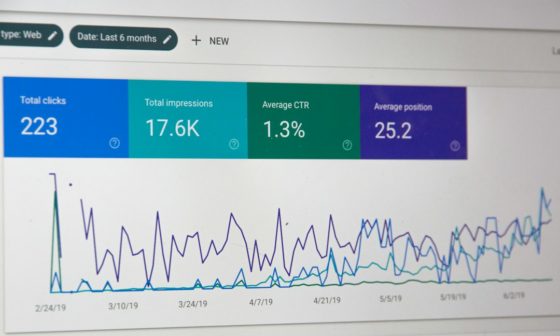
The global transition toward renewable energy is no longer just a regulatory goal; it is a massive industrial shift that requires sophisticated technological intervention. As the grid becomes increasingly decentralized, **Using AI and Machine Learning to Predict Energy Storage Market Trends** has emerged as a critical capability for institutional investors, utility providers, and commodity traders. By processing vast datasets—from weather patterns and real-time grid demand to geopolitical shifts affecting raw material supply—artificial intelligence offers a predictive edge that traditional manual analysis cannot match. This approach is an essential component of The Future of Energy Storage: A Comprehensive Investment Guide for 2026 and Beyond, providing the quantitative foundation needed to navigate a volatile but high-growth sector.
Validate your strategy with instant backtesting
Backtest LibraryThe Role of Machine Learning in Energy Data Synthesis
Modern energy markets generate billions of data points every day. For investors looking at Top 10 Battery Storage Stocks Poised for Massive Growth by 2026, understanding how AI synthesizes this data is paramount. Machine learning (ML) models, particularly recurrent neural networks (RNNs) and Long Short-Term Memory (LSTM) networks, are specifically designed to handle time-series data. In the context of energy storage, these models can predict:
- Price Arbitrage Opportunities: AI can forecast when electricity prices will be lowest (for charging) and highest (for discharging), maximizing the ROI of Grid-Scale Energy Storage assets.
- Supply Chain Volatility: Natural Language Processing (NLP) algorithms can scan thousands of earnings calls and news reports to predict shortages in lithium or cobalt before they reflect in the spot market.
- Technological Breakthroughs: ML can identify patterns in patent filings to spot the next big wave in storage, such as The Rise of Solid-State Batteries.
Predicting Market Sentiments and Regulatory Shifts
The energy sector is heavily influenced by government policy and public sentiment. AI-driven sentiment analysis tools can quantify the “mood” of the market by analyzing social media, policy whitepapers, and legislative drafts. This is particularly useful when Identifying Bullish Chart Patterns in the Clean Energy Sector, as retail sentiment often precedes institutional price movement.
By applying machine learning to historical regulatory cycles, investors can estimate the probability of new tax credits or subsidies being enacted. These predictive insights allow for better positioning in Comparing the Best Clean Energy Infrastructure ETFs for 2026 Portfolios, ensuring that capital is allocated to regions with the most favorable legislative tailwinds.
Case Study 1: Predictive Maintenance and Asset Valuation
In 2023, a major European utility utilized a proprietary ML model to monitor the degradation rates of its lithium-ion battery fleet. By analyzing temperature fluctuations and discharge cycles, the AI predicted a 15% faster-than-expected degradation in specific cooling modules. This allowed the company to perform preemptive repairs, saving millions in replacement costs. For an investor, this level of data transparency is vital. When performing Backtesting Strategies for High-Volatility Battery Technology Stocks, incorporating operational efficiency data derived from AI can significantly refine your risk-adjusted return expectations.
Case Study 2: Commodity Price Forecasting for Hedging
A hedge fund specializing in green metals integrated an AI model to track satellite imagery of lithium mines in South America alongside global shipping logs. The ML model detected a slowdown in extraction activity weeks before it was officially reported. This allowed the fund to execute highly profitable Futures Trading and Hedging Strategies for Battery Metal Commodities. This example underscores how alternative data, when processed through machine learning, creates an information asymmetry that traditional analysts miss.
Actionable Insights for Investors
To successfully integrate AI-driven insights into your investment strategy, consider the following practical steps:
- Use Quant-Based Indicators: Beyond fundamental analysis, learn How to Use Technical Indicators to Trade Renewable Energy ETFs. Indicators like the RSI or MACD can be fed into ML models to validate entry and exit points.
- Analyze Behavioral Economics: Understand The Psychology of Investing in Emerging Green Energy Technologies. AI can help identify when a market is entering a “hype cycle” versus sustainable growth.
- Diversify Data Sources: Don’t rely solely on stock prices. Incorporate weather data, carbon credit pricing, and regional grid frequency data into your predictive models.
The Challenges of AI in Energy Prediction
While powerful, Using AI and Machine Learning to Predict Energy Storage Market Trends is not without risks. “Black Swan” events—such as sudden geopolitical conflicts or unprecedented natural disasters—can render historical data irrelevant. Furthermore, the “black box” nature of some deep learning models can make it difficult to understand why a certain prediction was made. Successful investors combine AI outputs with human intuition and rigorous fundamental research to mitigate these risks.
| AI Technique | Application in Energy Storage | Key Benefit for Investors |
|---|---|---|
| Time-Series Forecasting | Predicting daily peak demand on the power grid. | Identifying high-value discharge windows for batteries. |
| NLP (Sentiment Analysis) | Monitoring policy changes and ESG sentiment. | Early detection of regulatory tailwinds or headwinds. |
| Computer Vision | Analyzing satellite imagery of mine sites. | Real-time supply chain and commodity price tracking. |
| Reinforcement Learning | Optimizing microgrid energy flows. | Increasing the operational lifespan of storage assets. |
Conclusion
The integration of advanced computation into the energy sector is no longer optional. **Using AI and Machine Learning to Predict Energy Storage Market Trends** provides a sophisticated lens through which investors can view an otherwise chaotic market. From optimizing the physical performance of grid-scale assets to forecasting the price movements of battery metals, AI serves as the ultimate force multiplier. As you refine your portfolio, remember that these tools are most effective when viewed as part of a broader strategic framework. For a full understanding of how these technological advancements fit into the global landscape, revisit our main pillar: The Future of Energy Storage: A Comprehensive Investment Guide for 2026 and Beyond.
FAQ
How does AI improve the accuracy of energy price forecasting?
AI improves accuracy by processing non-linear variables that human analysts often miss, such as the correlation between localized weather patterns and the sudden influx of solar energy into the grid. It utilizes historical “load” data to predict future spikes with high precision.
Can machine learning predict the failure of battery systems?
Yes, ML models use “Digital Twin” technology to simulate battery stress. By analyzing internal resistance and thermal data in real-time, AI can predict cell failure or capacity fade months before they occur, protecting the value of the investment.
Is AI-driven analysis useful for small-scale retail investors?
While high-end models are used by institutions, retail investors can benefit from AI-curated market sentiment tools and quantitative ETFs. These tools help retail traders stay aligned with broader market trends mentioned in The Future of Energy Storage: A Comprehensive Investment Guide for 2026 and Beyond.
What are the main data sources used for ML in energy storage?
Common data sources include ISO/RTO grid data, weather APIs, commodity spot prices, satellite imagery of mining operations, and public patent databases for new technology tracking.
How do AI models handle “Black Swan” events in the energy market?
Standard ML models struggle with unprecedented events. However, advanced “Stress-Testing” AI can run thousands of “what-if” scenarios, such as sudden trade embargoes, to help investors build more resilient, hedged portfolios.
Does AI help in choosing between different battery technologies?
AI can analyze the “Levelized Cost of Storage” (LCOS) across different technologies like lithium-ion, flow batteries, and solid-state. This helps investors determine which technology is most commercially viable for specific use cases.
Can AI predict the impact of new green energy legislation?
By using NLP to compare the text of new bills with historical outcomes of similar legislation, AI can assign a probability score to the likelihood of a bill passing and its expected impact on stock valuations.