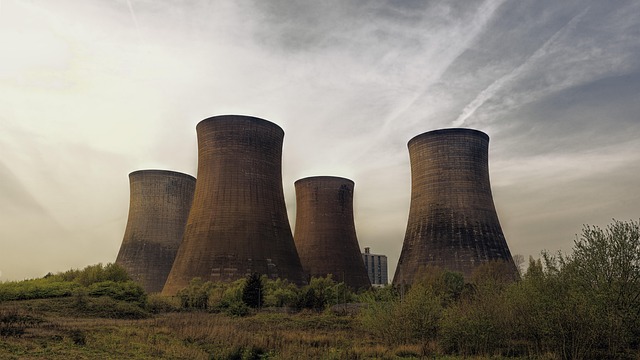
The global energy landscape is undergoing its most significant transformation since the Industrial Revolution. As nations grapple with the dual challenges of meeting skyrocketing electricity demand and achieving ambitious net-zero carbon goals, a once-polarized technology is returning to the center of the conversation: nuclear power. This “Nuclear Renaissance” is not merely a revival of old technology but a fundamental shift in how we perceive carbon-free, baseload energy. For investors, this represents a generational opportunity to capitalize on a sector that combines traditional industrial stability with cutting-edge technological innovation. This comprehensive guide serves as a central hub for understanding the multifaceted nuclear sector, offering deep dives into everything from the raw commodities fueling the reactors to the quantitative strategies used to trade the market’s volatility. By exploring the interconnected topics below, you will gain a holistic view of the catalysts driving this movement and how to position your portfolio for the next decade of energy evolution.
The Fundamental Drivers: Nuclear’s Role in a Carbon-Free Future
The primary engine behind the renewed interest in atomic energy is the global commitment to decarbonization. Unlike intermittent renewable sources such as wind and solar, nuclear energy provides a steady, reliable “baseload” of electricity that runs 24/7. As countries update their Nationally Determined Contributions (NDCs) under the Paris Agreement, it has become increasingly clear that meeting these targets without a significant nuclear component is mathematically improbable. The density of nuclear fuel and the minimal land footprint of power plants make it an ideal solution for industrialized nations looking to retire coal and gas plants while maintaining grid stability.
Investors must understand that the narrative has shifted from risk mitigation to essential infrastructure. Understanding the role of nuclear power in the clean energy transition is critical for evaluating long-term policy support and government subsidies. As world leaders recognize that nuclear is the only carbon-free energy source capable of scaling to meet the needs of heavy industry and urban centers, the sector is receiving unprecedented levels of public funding and private investment. This transition marks a departure from the “bridge fuel” mentality to a permanent fixture in the global green energy architecture.
Nuclear Energy vs. Renewables: A Comparative Investment Analysis
When building a green energy portfolio, many investors mistakenly view nuclear and renewables as competitors. In reality, they are complementary components of a functional grid. While solar and wind have seen dramatic decreases in levelized cost of energy (LCOE), they require massive investments in battery storage to solve the intermittency problem. Nuclear power, despite higher initial capital expenditures, offers a lifespan of 60 to 80 years, providing long-term value that many renewable projects cannot match.
From a financial perspective, the risk profiles of these assets differ significantly. Renewable projects often face shorter-term “merchant” price risks, whereas nuclear plants typically operate under long-term power purchase agreements (PPAs) or regulated utility frameworks. Conducting a nuclear energy vs. renewables: a comparative investment analysis allows investors to see where nuclear fits within a diversified energy sleeve. By balancing the high-growth, high-volatility nature of solar and wind with the steady, cash-flow-heavy profile of nuclear utilities, investors can create a more resilient energy portfolio that thrives across different market cycles.
How AI Data Centers are Driving Unprecedented Power Demand
The sudden explosion of Artificial Intelligence (AI) has created a secondary, private-sector catalyst for nuclear energy. Large language models and generative AI require massive amounts of computing power, which in turn necessitates data centers that consume gigawatts of electricity. Companies like Microsoft, Amazon, and Google are no longer content with intermittent energy credits; they require “round-the-clock” carbon-free power to satisfy both their operational needs and their environmental, social, and governance (ESG) mandates.
This has led to a landmark shift where big tech companies are signing direct contracts with nuclear operators. For example, the reopening of the Three Mile Island facility specifically to power Microsoft data centers illustrates the desperation for reliable energy. Analyzing how AI data centers are driving the demand for nuclear power reveals a new “floor” for nuclear valuations, as the tech sector’s deep pockets provide a guaranteed revenue stream for utilities that can provide 24/7 clean energy. This synergy between Silicon Valley and the nuclear sector is perhaps the most bullish indicator for the industry in the current decade.
Investing in Small Modular Reactors (SMRs): The Next Frontier
While large-scale gigawatt reactors remain the backbone of the industry, the future of nuclear deployment may lie in smaller, more flexible designs. Small Modular Reactors (SMRs) are designed to be factory-built and shipped to sites, significantly reducing the construction timelines and budget overruns that have historically plagued the industry. These reactors are ideal for industrial applications, remote mining sites, and replacing retiring coal-fired units on existing grid infrastructure.
The investment appeal of SMRs lies in their scalability and lower entry price point for utilities. Companies at the forefront of this technology are attracting significant venture capital and government grants. By investing in Small Modular Reactors (SMRs): the next frontier of nuclear tech, investors can gain exposure to the “disruptive tech” side of the energy market. While many SMR designs are still in the licensing phase, the potential for mass-market adoption makes them a high-upside play for those willing to tolerate the technical and regulatory risks of early-stage engineering.
Advanced Nuclear Technologies: Beyond Traditional Fission
Beyond SMRs, the horizon of nuclear technology includes advanced designs that utilize different coolants, such as molten salt or liquid metal, and the “holy grail” of energy: nuclear fusion. These technologies aim to solve the long-standing issues of nuclear waste and safety by creating “passively safe” systems that cannot melt down. Fusion, in particular, promises virtually limitless energy with no long-lived radioactive waste, though it remains in the experimental phase.
For the forward-looking investor, tracking these developments is essential for identifying the next multi-bagger stocks. Exploration into advanced nuclear technologies: beyond traditional fission provides a roadmap for the transition from Gen III+ reactors to Gen IV and beyond. While commercial viability for fusion may still be years away, the increasing flow of private capital into fusion startups suggests that the timeline is accelerating, creating opportunities for specialized investment in the companies providing the magnets, lasers, and fuels necessary for these futuristic reactors.
Uranium Mining Stocks: Fueling the Renaissance
Every reactor, whether traditional or advanced, requires fuel. Uranium is the indispensable commodity at the heart of the nuclear sector. After a decade of bear market conditions following the Fukushima event, the uranium market is now facing a structural deficit. Demand from new reactor builds and the extension of existing plant lives is outstripping supply, leading to a significant recovery in spot and term prices.
Investing in the producers, developers, and explorers is the most direct way to play the supply-demand imbalance. Diversifying into uranium mining stocks: fueling the global nuclear renaissance offers leverage to the price of the underlying metal. Major players in Kazakhstan and Canada dominate the market, but junior miners are also beginning to see renewed interest as the world seeks to diversify its supply chain away from geopolitical hotspots. Because uranium is a thin, opaque market, the price swings can be dramatic, offering significant profit potential for those who understand the fuel cycle.
Top Nuclear Energy Stocks to Watch for 2026 and Beyond
As we look toward the middle of the decade, certain companies are emerging as clear leaders in the nuclear space. These include “pure-play” uranium miners, diversified utilities with large nuclear fleets, and engineering firms that provide the specialized components required for reactor maintenance and construction. The winners of 2026 will likely be those that have successfully navigated the current regulatory bottlenecks and secured long-term contracts with data center operators or national governments.
Identifying the top nuclear energy stocks to watch for 2026 and beyond requires a blend of fundamental analysis and an understanding of geopolitical trends. Investors should focus on companies with strong balance sheets and “moats” created by proprietary technology or strategic assets. Whether it is a utility giant expanding its nuclear footprint or a service provider specializing in spent fuel management, the leaders of the renaissance are currently being forged in the heat of the global energy transition.
The Best Nuclear Energy ETFs for Diversified Portfolio Exposure
For many investors, the volatility of individual mining stocks or the complexity of nuclear engineering firms is too high a barrier to entry. Exchange-Traded Funds (ETFs) provide a solution by offering diversified exposure to the entire nuclear ecosystem. These funds typically hold a mix of uranium miners, physical uranium, and nuclear technology providers, allowing investors to capture the sector’s growth while mitigating company-specific risks.
Choosing the right vehicle is essential for aligning with your investment goals. Examining the best nuclear energy ETFs for diversified portfolio exposure reveals differences in geographic weightings and sub-sector concentrations. Some ETFs focus heavily on the mining aspect, while others include utilities and component manufacturers. For a balanced approach to the nuclear renaissance, an ETF can serve as the “core” of an energy-focused portfolio, providing broad-based participation in the industry’s recovery.
Regulatory Shifts and Their Impact on Nuclear Stock Valuations
Nuclear energy is perhaps the most regulated industry in the world. Changes in policy, safety standards, and environmental taxonomy can have immediate and profound effects on stock prices. In recent years, we have seen a massive pro-nuclear shift in the United States (with the ADVANCE Act), the European Union (labeling nuclear as “green” in its taxonomy), and even in Japan, which is aggressively restarting its idled fleet.
Understanding these macro-level changes is vital for timing entries and exits. A deep dive into regulatory shifts and their impact on nuclear stock valuations helps investors predict which jurisdictions will offer the most “nuclear-friendly” environments. When governments streamline licensing processes and provide production tax credits, the discounted cash flow (DCF) models for nuclear projects improve overnight, leading to significant re-ratings for the companies involved.
Backtesting a Nuclear Energy Sector Rotation Strategy
The nuclear sector often moves in cycles, influenced by commodity prices, interest rates, and broader sentiment toward the energy complex. For quantitative investors, this creates an opportunity to use data-driven strategies to outperform a simple buy-and-hold approach. By analyzing historical price action and correlations between uranium and other energy assets, traders can identify when to overweight nuclear and when to rotate into other sectors.
Using historical data to refine your approach is a hallmark of sophisticated investing. By backtesting a nuclear energy sector rotation strategy, you can determine which technical indicators or fundamental triggers have historically signaled the start of a bull run in uranium stocks. This quantitative approach removes emotion from the equation, allowing for a disciplined entry into one of the most promising, yet volatile, sectors of the modern market.
Conclusion
The nuclear energy renaissance is not a passing trend; it is a structural realignment of the global economy toward a more sustainable and reliable power source. From the depths of the uranium mines to the high-tech halls of SMR research facilities, the opportunities for investors are vast and varied. By understanding the interplay between AI demand, regulatory tailwinds, and technological innovation, you can position yourself to benefit from the massive capital flows currently entering the sector. Whether you choose to invest in individual stocks, diversified ETFs, or use quantitative rotation strategies, the goal remains the same: to power your portfolio with the most reliable energy source known to humanity.
Frequently Asked Questions
Is nuclear energy really considered “green” for ESG investing?
Yes, many major financial jurisdictions, including the EU and the US, have officially recognized nuclear energy as a low-carbon or green investment. Its lifecycle carbon emissions are comparable to wind and solar, making it a staple for many ESG-focused funds.
Why is the uranium price rising so rapidly now?
The price is driven by a supply deficit. For years, low prices led to mine closures. Now, as demand increases for new reactors and Western nations look to move away from Russian enriched uranium, the market is scrambling to secure enough physical supply to fuel the global fleet.
What are the main risks of investing in the nuclear sector?
The primary risks include regulatory delays, the high capital cost of construction, and public perception. Additionally, any safety incident—regardless of location—can negatively impact the entire sector’s valuation.
How do SMRs differ from traditional nuclear plants?
Small Modular Reactors are smaller (usually under 300 MWe), can be manufactured in a factory, and are designed for easier integration into smaller grids or industrial sites. They aim to reduce the financial risk associated with building massive, multi-billion dollar traditional plants.
Are there any “pure-play” nuclear stocks?
Yes, there are pure-play stocks in both the mining sector (companies that only mine uranium) and the technology sector (companies focused solely on SMR design or nuclear services). However, many large nuclear players are diversified utility giants.