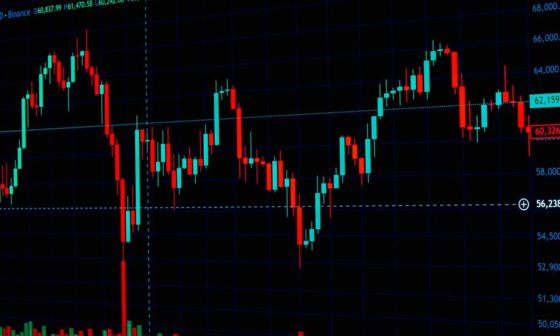
Understanding the **Common Pitfalls and False Breakouts in Chart Pattern Trading – Thomas Bulkowski** is essential for any technical analyst seeking to improve their success rate. Bulkowski’s extensive research highlights that even the most recognizable formations can fail due to market noise or lack of confirmation. By referencing The Ultimate Guide to the Encyclopedia of Chart Patterns by Thomas Bulkowski, traders can learn to distinguish between a genuine trend shift and a deceptive bull or bear trap. Mastering these nuances requires a disciplined approach to entry signals and an understanding of how volume confirms price action, ensuring that your trading strategy remains robust against common market anomalies.
Validate your strategy with instant backtesting
Backtest LibraryIdentifying the Root Causes of Pattern Failure
In his research, Thomas Bulkowski identifies that the primary reason for failure in chart pattern trading is often the “busted pattern.” A busted pattern occurs when the price breaks out, moves less than 10%, and then reverses direction, crossing the opposite side of the formation. To avoid these traps, traders must prioritize Identifying High-Probability Breakouts: Bulkowski’s Best Entry Signals rather than chasing every price movement.
Common pitfalls include:
- Premature Entry: Entering a trade before the price has decisively closed outside the pattern boundary.
- Ignoring Market Context: Trading a bullish pattern during a primary bear market, which Bulkowski notes significantly increases failure rates.
- Lack of Volume Confirmation: Failing to use Using Volume to Confirm Chart Patterns: Bulkowski’s Key Insights to validate the strength of the breakout.
Actionable Insights: Navigating Throwbacks and Pullbacks
According to Bulkowski, throwbacks (in upward breakouts) and pullbacks (in downward breakouts) occur frequently—often in more than 50% of trades. While these look like false breakouts, they are actually opportunities if managed correctly. However, they can also trap traders who place stops too tightly. Understanding the psychology behind classic chart formations helps traders remain calm during these retracements.
To mitigate risk, Bulkowski suggests using a “wait and see” approach during the first few days post-breakout. Statistical evidence suggests that if a throwback completes and price resumes its original breakout direction, the eventual move is often stronger. This is particularly relevant when Applying Bulkowski’s Chart Patterns to Crypto Currency Markets, where volatility frequently triggers false signals.
Case Studies in Pattern Pitfalls
Bulkowski’s data-driven approach reveals specific patterns that are more prone to false starts. Here are two prominent examples:
| Pattern Type | Common Pitfall | Bulkowski’s Statistical Insight |
|---|---|---|
| Double Top | Anticipating the peak before the neckline is broken. | Higher failure rates when the second peak is significantly higher than the first. |
| Head and Shoulders Bottom | Entering on low volume at the neckline. | High probability of a throwback, which can hit stops before the upward trend continues. |
In the case of the Top 5 Most Reliable Bearish Continuation Patterns, traders often mistake a temporary pause for a reversal. Bulkowski’s research shows that continuation patterns often fail because traders ignore the “flagpole” or the preceding trend’s strength. By performing backtesting using Bulkowski’s statistical methods, one can see that waiting for a 3% price penetration beyond the breakout point significantly filters out “fake-outs.”
Advanced Mitigation Strategies
Modern traders often integrate these classic findings with automated systems. Exploring the role of chart patterns in modern algorithmic trading allows for the creation of filters that exclude low-probability setups. Furthermore, reviewing Thomas Bulkowski’s ranking of chart pattern performance ensures that capital is only allocated to patterns with the lowest historical failure rates, such as Mastering Bullish Reversal Patterns that have been statistically verified.
Conclusion
Mastering the Common Pitfalls and False Breakouts in Chart Pattern Trading – Thomas Bulkowski requires moving beyond visual identification to statistical validation. By understanding the frequency of busted patterns, the mechanics of throwbacks, and the necessity of volume confirmation, traders can significantly reduce their exposure to false signals. For a broader perspective on how these pitfalls fit into the wider world of technical analysis, revisit The Ultimate Guide to the Encyclopedia of Chart Patterns by Thomas Bulkowski.
FAQ: Common Pitfalls and False Breakouts
- What is a “busted pattern” in Bulkowski’s terminology? A busted pattern is a failure where the price breaks out in one direction but quickly reverses and moves at least 10% in the opposite direction. It is often a highly profitable signal for traders who can pivot quickly.
- How can I filter out false breakouts? Bulkowski recommends waiting for the price to close outside the pattern boundary and checking for a volume surge to confirm the move. A 3% price penetration rule is also a common statistical filter.
- Why do throwbacks occur so often? Throwbacks occur when the price returns to the breakout level to test new support or resistance. According to Bulkowski, they are a normal part of price discovery and do not necessarily indicate a pattern failure.
- Are patterns in crypto more likely to fail than in stocks? While the basic structures hold, Bulkowski’s principles show that higher volatility in crypto can lead to more “whipsaws.” Adjusting stop-loss levels based on ATR (Average True Range) is usually necessary.
- Which pattern has the lowest failure rate? Based on Bulkowski’s rankings, the High and Tight Flag and certain types of Head and Shoulders patterns typically exhibit some of the lowest failure rates and highest reliability scores.
- How does market trend affect pattern reliability? Bulkowski’s research proves that patterns matching the direction of the overall market trend (e.g., bullish patterns in a bull market) have a much higher success rate than counter-trend setups.