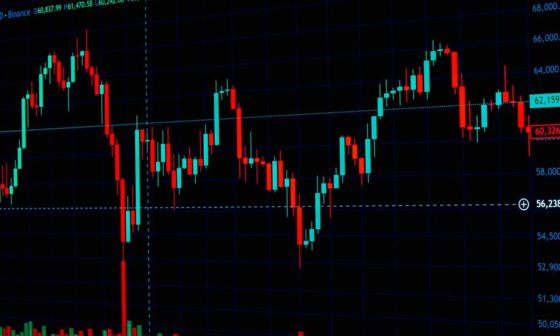
In Brett Steenbarger’s Guide to Identifying Your Trading Strengths, the focus shifts from fixing weaknesses to amplifying what you already do well. Many traders obsess over their failures, but Steenbarger argues that sustainable success comes from recognizing your “signature strengths.” By analyzing your best trades, you can uncover patterns of excellence that define your edge. This methodology is a core pillar of The Daily Trading Coach: Mastering Trading Psychology with Brett Steenbarger. Understanding whether you thrive in high-volatility breakouts or slow-moving mean reversions allows you to align your strategy with your cognitive profile, leading to peak performance and improved emotional resilience.
Validate your strategy with instant backtesting
Backtest LibraryAnalyzing Performance Data for Patterns of Success
To identify your strengths, you must move beyond anecdotal memory and look at hard data. Steenbarger suggests that traders are often “blind” to their own successes because they are hyper-focused on avoiding losses. By developing a trading journal based on The Daily Trading Coach, you can categorize your trades by market condition, time of day, and setup type. Practical steps include:
- Reviewing the “A+” Trades: Look at your top 10% of trades over the last quarter. What commonalities exist in the market environment?
- Psychological State: Identify the mindset you were in during those wins. Were you calm, or was it a state of “flow”?
- Decision Speed: Determine if your strengths lie in rapid-fire execution or long-term strategic positioning.
This process is essential for why self-monitoring is the key to long-term trading success, as it allows you to filter out noise and focus on high-probability setups that match your natural talents.
Actionable Insights: Aligning Personality with Strategy
Once strengths are identified, the next step is aligning them with a specific market niche. Steenbarger emphasizes that not every trader is built for every market. For instance, applying The Brett Steenbarger’s Daily Trading Coach principles to crypto markets requires a different set of strengths—such as high risk-tolerance and 24/7 monitoring—compared to blue-chip equities. You can enhance this alignment by:
- Integrating the role of cognitive behavioral therapy in trading psychology to challenge the “negativity bias” that keeps you focused on your flaws.
- Creating a checklist of “strength-based criteria” for every trade entry to ensure you are playing to your edge.
- Using building a daily routine for professional traders to reinforce these positive habits consistently.
Case Studies in Strength Identification
To better understand Brett Steenbarger’s Guide to Identifying Your Trading Strengths, consider these specific examples of traders who transformed their performance by shifting focus:
| Trader Profile | Discovered Strength | Outcome |
|---|---|---|
| The High-Frequency Scalper | Rapid information processing and discipline under pressure. | By utilizing self-coaching techniques to improve discipline, this trader stopped trying to “swing trade” and focused exclusively on 5-minute charts, doubling their win rate. |
| The Analytical Quant | Pattern recognition and emotional detachment from individual trades. | This trader learned how to backtest their trading psychology to realize they performed best in mean-reversion setups during low-volatility sessions. |
| The Crisis Specialist | Maintaining clarity during extreme market panic. | By overcoming trading anxiety through the recognition that volatility was their “friend,” this trader became a specialist in trading “black swan” events. |
Conclusion: The Path to Peak Performance
Ultimately, Brett Steenbarger’s Guide to Identifying Your Trading Strengths teaches us that the path to mastery is paved with self-awareness. By identifying your unique edge and doubling down on it, you can transition from a struggling novice to a professional who operates from a position of power. These concepts are foundational to the 10 key lessons from The Daily Trading Coach for peak performance. Remember, trading is not just about what the market does; it is about how your specific strengths interact with the market. For a comprehensive understanding of these psychological dynamics, revisit the main guide on The Daily Trading Coach: Mastering Trading Psychology with Brett Steenbarger.
FAQ: Identifying Your Trading Strengths
What is the main goal of Brett Steenbarger’s Guide to Identifying Your Trading Strengths?
The goal is to help traders identify their “signature strengths”—the specific conditions and mindsets where they naturally excel—rather than solely focusing on fixing weaknesses. This shift in focus helps build a sustainable edge and boosts confidence.
How can I identify my strengths if I am currently in a losing streak?
Even during losing streaks, there are moments of competence. Steenbarger suggests looking back at your historical data or even non-trading life experiences to find patterns of discipline, focus, and successful decision-making.
Does identifying strengths relate to The Daily Trading Coach’s self-coaching model?
Yes, it is a core component. Self-coaching requires you to act as your own mentor, and an effective mentor highlights what is working well to reinforce positive behaviors, as detailed in the full psychology guide.
Can my trading strengths change over time?
While core personality traits often remain stable, your technical strengths can evolve as you gain experience. Regular self-monitoring ensures that your strategy remains aligned with your current skill level and cognitive profile.
What is the most common mistake when identifying strengths?
The most common mistake is confusing “luck” with a “strength.” To avoid this, Steenbarger emphasizes using a structured trading journal to verify that your successes are repeatable and based on a specific process rather than random market moves.
How do I apply these strengths to volatile markets like Crypto?
In volatile markets, strengths like risk management and rapid adaptation are paramount. You must audit your performance specifically during high-volatility periods to see if your psychological profile is truly suited for that environment.
Is it more important to fix weaknesses or build on strengths?
Steenbarger argues that while you must manage “fatal flaws” to survive, real wealth and peak performance are generated by maximizing your strengths. Fix what is broken, but spend more time amplifying what is already working.