Reading the Tape: Mike Bellafiore’s Secret to Order Flow Analysis represents the missing link for many traders transitioning from retail strategies to professional-grade execution. While price charts provide a historical roadmap, the tape offers a real-time view of the battle between buyers and sellers. As a core component of Mastering Proprietary Trading: A Deep Dive into The PlayBook by Mike Bellafiore, tape reading allows traders to sense the conviction of market participants. By monitoring the Time and Sales and Level 2, traders can identify institutional “hidden” orders and price exhaustion, providing a definitive edge in fast-moving markets.
Validate your strategy with instant backtesting
Backtest LibraryUnderstanding the Mechanics of Order Flow
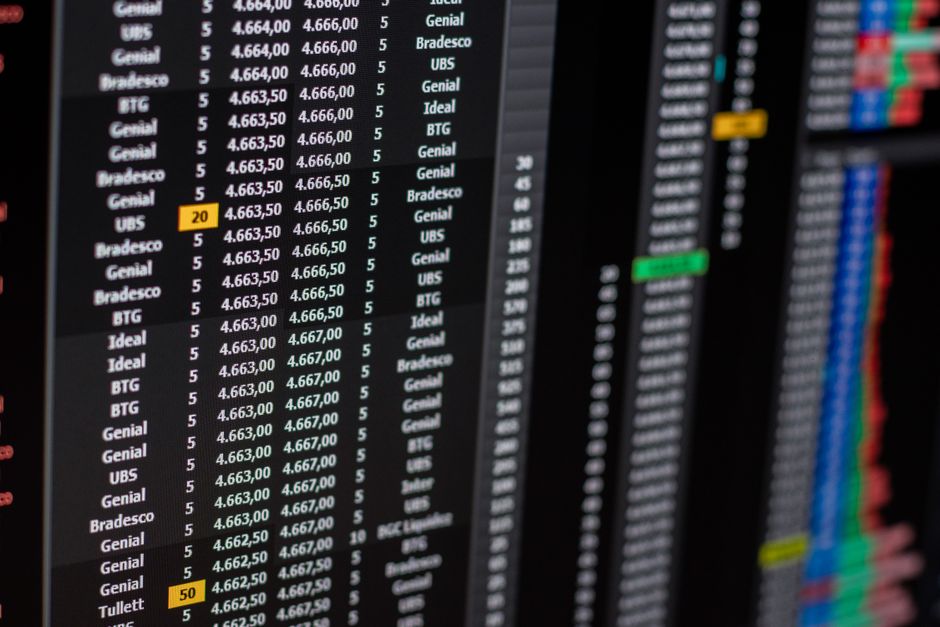
In the SMB Capital methodology, reading the tape is not about predicting the long-term future; it is about identifying what is happening right now. The “tape” consists primarily of the Time and Sales window, which records every transaction, and the Level 2 (Order Book), which shows the pending bids and offers. Bellafiore teaches that order flow analysis is the final filter before entering a trade. It helps verify if the price action on the chart is backed by significant volume or if it is merely a low-liquidity “head fake.”
To master this, traders must focus on three primary variables:
- Speed: How fast are the transactions occurring? An accelerating tape often precedes a breakout.
- Size: Are large blocks of shares being traded, or is it mostly small “retail” lots?
- Price Action at Levels: How does the stock behave when it hits a known support or resistance level? Does the bid “hold,” or does it drop immediately?
Actionable Insights for Tape Reading
Integrating order flow into your routine requires discipline and specific focus areas. Traders should look for Held Bids and Held Offers. For example, if a stock is trading at $50.00 and there are massive sell orders, but the price refuses to drop below $49.95 despite heavy volume, a “held bid” is likely present. This suggests an institutional buyer is accumulating a position, offering a high-probability entry point for a long trade.
Furthermore, tape reading is essential for Scalability in Trading: Moving from Small Lots to Professional Size. As your position size grows, you cannot simply “market in” without slippage. Understanding the depth of the book ensures you can enter and exit without distorting the price.
Case Studies in Tape Reading
Example 1: The Hidden Seller at Resistance
A trader identifies a breakout pattern in a technology stock approaching $120.00. On the chart, everything looks bullish. However, upon Reading the Tape: Mike Bellafiore’s Secret to Order Flow Analysis, the trader notices that every time the price touches $120.00, thousands of shares are sold, yet the “Ask” on the Level 2 does not show a large order. This is a “hidden seller” using an iceberg order. The trader decides to wait, and the stock eventually reverses. Tape reading saved the trader from a “fake-out” breakout.
Example 2: The Aggressive Bid Step-Up
During a period of high volatility, a stock pulls back to a key moving average. The tape shows the speed of selling is slowing down. Suddenly, the “Bid” starts stepping up aggressively—moving from $75.10 to $75.20 to $75.30 very quickly, even before the chart shows a green candle. This “aggressive bid” indicates that buyers are chasing the stock, confirming an entry for a Defining Your A+ Setup trade.
Integrating Tape Reading into Your PlayBook
Tape reading should not be used in isolation. It is most effective when combined with a broader strategy. For instance, The SMB Capital Methodology emphasizes that the tape is the “confirmation” of a fundamental or technical thesis. If your Backtesting Your Playbook results show a 60% win rate on breakouts, adding tape confirmation can often push that win rate significantly higher by filtering out low-conviction moves.
Related Lessons from The PlayBook
- The SMB Capital Methodology: How Mike Bellafiore Builds Winning Traders
- Defining Your A+ Setup: Core Lessons from The PlayBook by Mike Bellafiore
- Psychology of the Trade: Mike Bellafiore’s Guide to Emotional Discipline
- Backtesting Your Playbook: How to Quantitatively Verify Your Trading Edge: Lessons from Mike Bellafiore
- The Importance of Trade Reviews: Implementing the Mike Bellafiore Daily Routine
- Scalability in Trading: Moving from Small Lots to Professional Size: Lessons from Mike Bellafiore
- Developing a Trading Niche: Why Specialization is Key in The PlayBook by Mike Bellafiore
- Risk Management Frameworks from SMB Capital’s Training Program
- Adapting to Market Regimes: How Mike Bellafiore’s The PlayBook Handles Volatility
Conclusion
Mastering Reading the Tape: Mike Bellafiore’s Secret to Order Flow Analysis is a journey from seeing numbers to sensing market sentiment. It provides the granular detail necessary to execute trades with high conviction and managed risk. While it requires significant screen time and practice, it remains one of the most potent tools in a professional trader’s arsenal. To see how tape reading fits into the complete trading system, revisit our guide on Mastering Proprietary Trading: A Deep Dive into The PlayBook by Mike Bellafiore.
Frequently Asked Questions
What is the most important element of Reading the Tape according to Mike Bellafiore?
The most important element is identifying “conviction.” This is found by observing the speed of the tape and whether bids or offers are “holding” despite high volume, indicating institutional participation.
Can tape reading be used for stocks with low volume?
It is much more difficult. Tape reading relies on active order flow to identify patterns; low-volume stocks often have “gappy” tapes that do not provide enough data points for reliable analysis.
How does tape reading improve Risk Management Frameworks?
It allows for tighter stop-losses. By seeing a “held bid” fail on the tape, a trader can exit a position immediately rather than waiting for a candle to close, as explained in Risk Management Frameworks.
Is tape reading still relevant in the age of high-frequency trading (HFT)?
Yes, but it has changed. Traders must now learn to filter out HFT “noise” (small, rapid orders) to focus on larger, meaningful prints that represent true institutional intent.
How long does it take to learn Reading the Tape: Mike Bellafiore’s Secret to Order Flow Analysis?
Most traders at SMB Capital spend several months of daily “screen time” specifically focused on the tape before they can intuitively read the flow of orders.
Does tape reading help in identifying an A+ Setup?
Absolutely. An A+ setup requires alignment between the macro view, the technical chart, and the tape. The tape serves as the final confirmation that the “Big Money” is moving in your direction, as detailed in Defining Your A+ Setup.
What software is needed for effective order flow analysis?
You need a platform that provides high-quality Level 2 data and a “Time and Sales” window with filters, allowing you to highlight large trades and see the “Inside Quote” clearly.