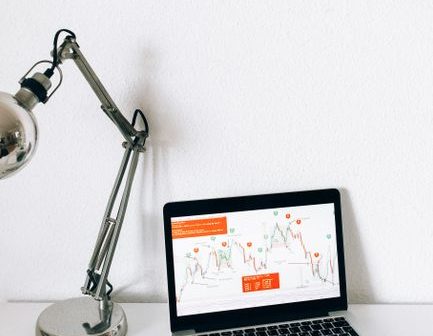
The debate surrounding **Edwards and Magee vs. Modern AI: Can Classical Patterns Outperform Algorithms?** remains a central theme for contemporary investors. While artificial intelligence can process millions of data points per second, the foundational principles established in The Definitive Guide to Technical Analysis of Stock Trends by Edwards and Magee offer a unique psychological depth that machines often struggle to replicate. Algorithms excel at identifying micro-inefficiencies, but classical patterns capture the aggregate human sentiment of fear and greed over longer durations. By understanding how these manual structures interact with high-frequency environments, traders can find a significant edge that purely quantitative models might overlook during periods of extreme market volatility.
Validate your strategy with instant backtesting
Backtest LibraryWhy Classical Patterns Persist in an Algorithmic World
Modern markets are dominated by High-Frequency Trading (HFT) and black-box algorithms. However, these systems are often programmed to react to the same price levels identified decades ago. Mastering Classical Chart Patterns: Lessons from Edwards and Magee teaches us that price action is a manifestation of human behavior, which has not changed despite the technological shift. While an AI might find a correlation between weather patterns and stock prices, the Psychology of Support and Resistance in Edwards and Magee’s Methodology identifies the specific price points where supply and demand reach an equilibrium, a factor that remains constant across all eras.
Case Studies: Classical Analysis vs. Machine Learning
To understand the practical application of Edwards and Magee vs. Modern AI: Can Classical Patterns Outperform Algorithms?, consider these specific scenarios:
- The 2020 Market Recovery: During the pandemic-induced crash, many AI models triggered aggressive sell signals due to unprecedented volatility. However, traders using How to Trade Head and Shoulders Patterns Like a Pro – Edwards and Magee techniques identified a massive “V” bottom and subsequent Triangle Formations on daily charts that signaled a robust continuation, outperforming many short-term algorithmic hedges.
- Cryptocurrency Volatility: Algorithms often generate “false breakouts” in highly speculative assets. By Applying Edwards and Magee’s Principles to Cryptocurrency Trading, investors have found that Trading Rectangles and Consolidation Zones on 4-hour and daily timeframes provides more reliable entry points than neural networks that “overfit” to noise.
Actionable Insights: Integrating Methodology with Technology
The key to outperforming algorithms is not to ignore them, but to use classical analysis as a filter. Consider these steps:
- Contextual Filtering: Use Backtesting Edwards and Magee’s Trendline Theory in Modern Markets to see which patterns have a higher win rate in specific sectors.
- Volume Confirmation: Algorithms can “fake” price movements, but The Role of Volume in Confirming Stock Trends provides a transparent look at true institutional commitment.
- Strict Risk Controls: Use Risk Management and Stop-Loss Placement in Classical Technical Analysis to protect against algorithmic “stop-hunting” spikes.
Conclusion: The Future of Chartism
In the showdown of Edwards and Magee vs. Modern AI: Can Classical Patterns Outperform Algorithms?, the winner is usually the trader who combines the two. AI provides the speed, but Edwards and Magee provide the roadmap. By focusing on the structural integrity of the market rather than the noise of the ticker, classical analysts can maintain a steady hand in an increasingly automated world. For a deeper understanding of these timeless principles, consult The Definitive Guide to Technical Analysis of Stock Trends by Edwards and Magee.
FAQ: Edwards and Magee vs. Modern AI
Can modern AI recognize Edwards and Magee patterns accurately?
Yes, many AI systems are trained specifically to recognize patterns like Head and Shoulders or Double Bottoms. However, AI often lacks the “market context” or fundamental backdrop that a human trader uses to weigh the reliability of a specific formation.
Do algorithms make classical patterns less effective today?
Algorithms often cause “false breakouts” to hunt liquidity. While this increases short-term noise, the long-term structural patterns identified in the Edwards and Magee methodology remain effective because they represent larger cycles of accumulation and distribution.
Should I use AI or classical analysis for swing trading?
For swing trading (holding positions for days or weeks), classical patterns often outperform AI because they capture major trend shifts. AI is generally more dominant in high-frequency day trading where speed is the primary advantage.
How can I protect my trades from algorithmic “stop-hunting”?
Classic technical analysis suggests placing stops based on pattern structure (like just below the “right shoulder” or “support line”) rather than arbitrary percentages. This aligns your exit with the logic of the market trend rather than price noise.
Is volume still a valid indicator against hidden algorithmic orders?
Absolutely. While “dark pools” hide some data, the aggregate volume on major exchanges remains the best way to confirm if a pattern breakout is supported by real institutional buying power, as detailed in the Edwards and Magee principles.
What is the biggest advantage humans have over AI in technical analysis?
Humans excel at “regime identification”—recognizing when the market has fundamentally changed (e.g., from a bull market to a sideways consolidation). AI often struggles to adapt its strategy quickly when the underlying market environment shifts.
Can I automate Edwards and Magee patterns?
Many traders use “scanners” to find these patterns automatically. This is a perfect example of blending the two worlds: using technology to find the setup, but using classical rules to execute the trade.