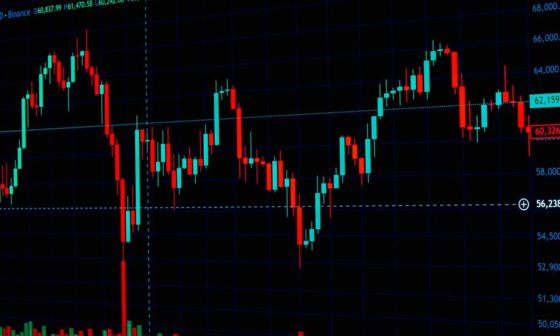
Mastering Advanced Gamma Scalping Techniques for Professional Options Traders – Dan Passarelli is often considered the pinnacle of active portfolio management for those who have moved beyond basic directional bets. Within the context of Mastering Trading Options Greeks: The Definitive Guide Based on Dan Passarelli’s Methodology, gamma scalping represents the systematic process of adjusting a delta-neutral position to profit from the movement of the underlying asset. By purchasing options to go “long gamma” and then “scalping” the underlying stock or future against those options, professional traders aim to capture enough profit from price swings to offset the relentless erosion of time value.
Master Parabolic SAR signals for profitable trading
Analyze Parabolic SARThe Mechanics of Advanced Gamma Scalping
To execute Advanced Gamma Scalping Techniques for Professional Options Traders – Dan Passarelli, one must first establish a long gamma position, typically through a long straddle or strangle. As the underlying price moves, the delta of these options changes. To return to a delta-neutral state, the trader must trade the underlying asset in the opposite direction of the price move. If the stock goes up, the long calls become more delta-positive, requiring the trader to sell shares. If the stock goes down, the trader buys shares.
This process effectively turns market volatility into a series of “buy low, sell high” stock trades. However, the primary challenge is that long gamma positions are subject to negative theta. As discussed in Theta Decay Strategies: Maximizing Time Value in Your Options Portfolio – Dan Passarelli, the cost of holding these options (the time decay) must be lower than the profits generated from scalping the delta for the strategy to be profitable.
Strategic Rebalancing: The Scalp Threshold
Professional traders do not scalp every minor fluctuation. Dan Passarelli emphasizes the importance of a “scalp threshold.” This is a predetermined delta level or price movement that triggers an adjustment. Factors influencing this threshold include:
- Gamma Density: How much the delta changes per dollar move. High gamma (near-the-money, near-expiration) requires more frequent scalping.
- Transaction Costs: In Advanced Gamma Scalping Techniques for Professional Options Traders – Dan Passarelli, commissions and slippage can erode profits if scalping is done too frequently.
- Realized vs. Implied Volatility: The strategy succeeds when the actual movement of the stock (realized vol) exceeds the movement priced into the options (implied vol).
By understanding The Power of Gamma: How Dan Passarelli Navigates Market Volatility, traders can better calibrate their rebalancing triggers to maximize the “gamma rent” they collect.
Example 1: The Earnings Straddle Scalp
Consider a trader who buys a straddle on a tech stock three days before earnings. The implied volatility is high, but the trader expects massive pre-earnings swings. The initial position is delta-neutral. If the stock jumps 2% in the morning, the trader’s net delta becomes +25. To scalp, the trader sells 25 shares of the underlying stock. Later that day, the stock mean-reverts to its opening price. The trader’s delta becomes -25 (relative to the previous sale), so they buy back the 25 shares. The profit from this stock trade helps pay for the theta decay of the straddle.
Example 2: Managing a Long Gamma Portfolio in a Trending Market
In a trending market, gamma scalping requires discipline. A professional trader using Advanced Gamma Scalping Techniques for Professional Options Traders – Dan Passarelli might use technical indicators like Bollinger Bands or ATR (Average True Range) to determine when a move has “stretched” enough to warrant a delta adjustment. By linking this to Understanding Delta: Managing Directional Risk in Options Trading – Dan Passarelli, the trader ensures they are not just reacting to noise, but methodically harvesting volatility.
Integrating Other Greeks into the Scalp
While gamma is the focus, professional scalping requires a holistic view of the Greek landscape. High-level traders monitor Vega and Volatility: Protecting Your Trades from Market Swings – Dan Passarelli to ensure a sudden drop in implied volatility (IV crush) doesn’t wipe out their scalping gains. Furthermore, for long-dated positions, Rho and Interest Rates: Why It Matters for Long-Term Options Traders – Dan Passarelli may play a minor role in the cost of carry for the underlying shares used for hedging.
Successful execution often relies on Building Custom Greek-Neutral Strategies for Consistent Income – Dan Passarelli. By tailoring the Greeks to current market conditions, traders can create a “profile” that favors scalping in high-movement environments.
Quantitative Validation and Discipline
Before committing capital to these complex trades, professionals rely on Backtesting Greek-Based Strategies: Validating Dan Passarelli’s Concepts. Backtesting reveals whether the historical realized volatility of a specific asset has historically been enough to cover the theta costs of the gamma position. Additionally, The Psychology of Greek Management: Staying Disciplined Under Pressure – Dan Passarelli is vital; a trader must have the stomach to sell into a rising market and buy into a falling one, which is counterintuitive to many.
Key Takeaways and Conclusion
Advanced Gamma Scalping Techniques for Professional Options Traders – Dan Passarelli is a sophisticated dance between time and movement. To succeed, one must master the balance between theta decay and delta rebalancing. As noted in the Key Takeaways from ‘Trading Option Greeks’ by Dan Passarelli, gamma scalping is not a “set and forget” strategy; it requires constant vigilance and a deep understanding of market dynamics.
In summary, gamma scalping allows professional traders to monetize volatility. By maintaining delta neutrality through disciplined trading of the underlying asset, traders can potentially turn a long option position into a profitable venture even if the underlying price eventually returns to its starting point. For a complete understanding of how this fits into a total trading plan, refer back to the main pillar page on Mastering Trading Options Greeks: The Definitive Guide Based on Dan Passarelli’s Methodology.
FAQ: Advanced Gamma Scalping Techniques
| Question | Answer |
| What is the primary goal of gamma scalping? | The goal is to offset the cost of theta (time decay) in a long gamma position by capturing profits from buying and selling the underlying asset as its price fluctuates. |
| When should a trader rebalance their delta? | Traders typically rebalance when the position delta exceeds a specific threshold or when the underlying asset hits a technical support or resistance level. |
| Does gamma scalping work in low-volatility markets? | It is much harder in low-volatility markets because the stock may not move enough to generate scalping profits that exceed the daily theta cost of the options. |
| How does Dan Passarelli view the relationship between gamma and theta? | Passarelli views them as two sides of the same coin; you pay theta to “rent” gamma, and your job as a trader is to make that rent productive through active management. |
| Is gamma scalping suitable for retail traders? | It is challenging for retail traders due to high transaction costs and the need for constant monitoring, though modern low-commission environments have made it more accessible. |
| How does implied volatility (IV) affect this strategy? | If IV rises, the value of the long gamma position increases (Vega profit), but if IV falls (IV crush), the position can lose money even if scalping is successful. |
| Where can I learn more about the foundations of these Greeks? | A comprehensive foundation is provided in the guide on Mastering Trading Options Greeks. |