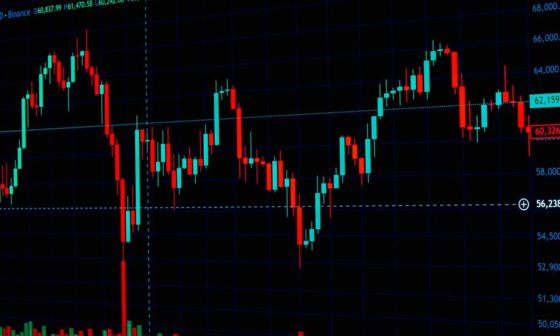
Effective **Risk Management in Short Selling: Protecting Your Portfolio from Short Squeezes – Kathryn Staley** is the cornerstone of any successful bear market strategy. In her definitive guide, The Art of Short Selling: Kathryn Staley’s Blueprint for Profiting from Market Declines, Staley highlights that unlike long positions, short selling carries theoretically infinite risk. To mitigate this, she emphasizes the importance of identifying fundamental decay while remaining vigilant about market sentiment. By monitoring short interest ratios and setting strict stop-loss limits, traders can avoid the catastrophic losses associated with rapid price spikes. Mastering these defensive techniques allows investors to stay solvent long enough for their fundamental thesis to manifest in the market price.
Validate your strategy with instant backtesting
Backtest LibraryThe Mechanics of a Short Squeeze
A short squeeze occurs when a heavily shorted stock begins to rise in price, forcing short sellers to buy back shares to cover their positions. This collective buying pressure further drives the price up, creating a feedback loop. Staley suggests that the most dangerous squeezes happen in stocks with a high “Short Interest Ratio” or “Days to Cover.” When utilizing Backtesting Short Selling Strategies: Applying Kathryn Staley’s Principles, historical data reveals that stocks with low float and high institutional ownership are prime candidates for these volatile moves.
Staley’s Core Risk Mitigation Strategies
To protect a portfolio, Staley advocates for a multi-layered approach to risk. This involves both quantitative limits and qualitative assessments of the company’s health. Key strategies include:
- Hard Stop-Loss Orders: Never enter a short position without a predetermined exit point. If a stock moves 10-15% against the entry, Staley argues for immediate liquidation, regardless of the fundamental conviction.
- Diversification: Avoid over-concentrating in a single “short idea.” Even the most robust thesis can be derailed by a surprise buyout or a sector-wide rally.
- Monitoring Catalysts: Stay informed about upcoming earnings calls or regulatory decisions. Staley often recommends Identifying Financial Red Flags early to ensure you aren’t caught in a “dead cat bounce” or a news-driven squeeze.
Case Studies: Risk Management in Action
Example 1: The “Story Stock” Trap
In the late 1990s, many investors attempted to short high-flying dot-com companies based purely on valuation. Staley warned that valuation alone is a poor reason to short. Those who didn’t use Using Chart Patterns to Confirm Short Bias often got squeezed as prices doubled despite negative earnings. Staley’s method would have required waiting for a technical breakdown before entry.
Example 2: The Aggressive Accounting Squeeze
When a company like Baldwin-United faced scrutiny for its accounting, the initial short interest was high. However, temporary “good news” often caused sharp rallies. Successful shorts during this era followed Analyzing Balance Sheets for Short Opportunities to confirm the decay but kept position sizes small to weather the inevitable volatility before the final collapse.
Comparing Protective Instruments
Traders often wonder whether direct shorting is safer than alternatives. In Short Selling vs. Put Options: Which Strategy Wins During a Market Crash?, the consensus is that options provide built-in risk management (limited to the premium paid), whereas direct shorting requires much tighter manual discipline. However, direct shorting offers better precision for those who have mastered Technical Indicators for Timing Short Entries.
Psychological Discipline and Market Dynamics
Shorting requires a different temperament than traditional investing. As explored in The Psychology of Shorting: Managing Risk and Fear in a Bullish Market, the fear of “missing out” on a squeeze can lead to erratic decision-making. Staley teaches that one must remain objective, treating a short squeeze not as a personal affront, but as a mechanical market event that requires a disciplined exit. This is especially true in volatile modern sectors, such as Short Selling in Crypto, where squeezes are more frequent and aggressive.
Summary of Risk Management Metrics
| Metric | Danger Zone | Staley’s Recommendation |
|---|---|---|
| Short Interest % of Float | > 20% | Extreme caution; high squeeze potential. |
| Days to Cover | > 10 Days | Risk of being “trapped” in a rally. |
| Relative Strength Index (RSI) | < 30 (Oversold) | Wait for a bounce before entering short. |
Conclusion
In the world of professional trading, **Risk Management in Short Selling: Protecting Your Portfolio from Short Squeezes – Kathryn Staley** is what separates the veterans from those who blow up their accounts. By combining rigorous fundamental research with technical discipline and an understanding of market psychology, you can navigate the treacherous waters of declining stocks. To learn more about the broader framework of finding and executing these trades, revisit the core principles in The Art of Short Selling: Kathryn Staley’s Blueprint for Profiting from Market Declines. Studying Famous Short Sellers and Their Greatest Trades further illustrates that even the best in the business prioritize risk management over potential profit.
Frequently Asked Questions
1. What is the most important rule in Kathryn Staley’s risk management framework?
The most important rule is the use of disciplined stop-loss orders. Staley emphasizes that because the upside risk is unlimited, an investor must have a predetermined price at which they will admit they are wrong and exit the position to preserve capital.
2. How does high short interest affect the risk of a short squeeze?
High short interest indicates that many traders are betting against a stock. If positive news arrives, all those traders may try to buy back shares simultaneously to cover their positions, creating a massive surge in demand and a subsequent price spike (the squeeze).
3. Can I use technical indicators to avoid being squeezed?
Yes, indicators like the RSI or moving average crossovers can help. Staley often looked for “overbought” bounces within a primary downtrend to enter positions, avoiding shorting stocks that were already “stretched” to the downside and ripe for a relief rally.
4. Why does Staley prefer fundamental analysis over simple valuation for shorting?
Staley argues that a stock being “expensive” is not enough of a reason to short it, as expensive stocks can stay expensive for years. Instead, she looks for fundamental flaws—like deteriorating cash flow or accounting red flags—that act as a real catalyst for a price drop.
5. Is shorting in crypto more dangerous than in the stock market?
Generally, yes. Due to 24/7 trading, lower liquidity in some assets, and high leverage, short squeezes in crypto can be far more violent. Applying Staley’s principles in these markets requires even tighter risk controls and smaller position sizes.
6. How does position sizing relate to short-selling risk?
Position sizing is a critical defensive tool. By keeping short positions small (e.g., 2-5% of a portfolio), a trader ensures that even a massive 50% squeeze in one stock will not cause a catastrophic loss to the total portfolio equity.