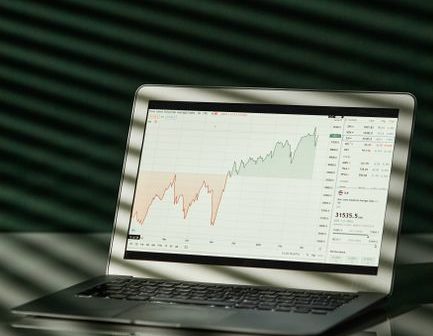
Scott Patterson’s exploration of Flash Crashes and Algorithmic Instability: Lessons from Dark Pools – Scott Patterson reveals how the fragmentation of modern markets into opaque venues leads to systemic fragility. In his seminal work, Dark Pools by Scott Patterson: A Deep Dive into High-Frequency Trading and the Rise of the Machines, he explains how automated algorithms can enter self-reinforcing loops, draining liquidity when it is needed most. As execution speed outpaces human oversight, these volatility events highlight the hidden dangers of the HFT-driven ecosystem. This instability is a byproduct of a market designed for speed rather than stability.
Validate your strategy with instant backtesting
Backtest LibraryUnderstanding the Mechanics of Algorithmic Feedback Loops
The primary lesson from Patterson’s investigation is that algorithmic instability is rarely a localized event. Instead, it is a systemic failure triggered by the interaction of thousands of independent scripts. When a large sell order enters a fragmented market, it may trigger “predatory” algorithms. As detailed in Understanding Complex Order Types: How HFT Firms Gain an Edge – Scott Patterson, these systems use specialized logic to jump ahead of trades, causing a rapid price collapse as liquidity providers simultaneously pull back their quotes to avoid “toxic flow.”
This behavior is further exacerbated by the shift from public markets to private venues. The Evolution of Dark Pools: Key Takeaways from Scott Patterson’s Investigation shows that while these pools were designed to protect large orders, they often hide the true level of supply and demand, leading to “air pockets” where prices drop vertically because there are no resting buy orders.
Case Studies in Market Fragility
To understand the practical implications of algorithmic instability, we must look at specific historical events that Patterson highlights:
- The May 6, 2010 Flash Crash: A single large sell order in the E-mini S&P 500 futures market triggered a cascade of HFT selling. Within minutes, the Dow Jones Industrial Average plummeted nearly 1,000 points. This event illustrated how How High-Frequency Trading (HFT) Reshaped Modern Stock Markets – Scott Patterson by creating a “hot potato” effect where algorithms passed risk back and forth until the market broke.
- The Knight Capital Collapse (2012): A faulty software deployment caused Knight Capital to lose $440 million in just 45 minutes. This incident proved that even the largest market makers are susceptible to algorithmic errors, emphasizing the need for robust Backtesting Strategies in a Dark Pool Dominated Market Environment – Scott Patterson to prevent runaway loops.
Practical Advice for Navigating Instability
For investors and traders, surviving a flash crash requires a shift in strategy. Patterson’s work suggests several actionable insights:
- Avoid “Market” Orders During Volatility: Use limit orders to ensure you aren’t filled at “stub quotes” (e.g., a penny or $100,000) during a liquidity vacuum.
- Understand the Psychology of the Creators: As explored in The Psychology of the Quants: Inside the Minds of Market Disruptors – Scott Patterson, many algorithms are programmed to “flat” their positions at the first sign of abnormal volatility, meaning liquidity will vanish exactly when you need it.
- Monitor Venue Diversification: Know where your trades are being routed. Deciding between Dark Pools vs. Lit Exchanges: Where Should Institutional Liquidity Hide? – Scott Patterson involves weighing the risk of information leakage against the risk of execution failure during a crash.
Regulatory and Structural Responses
The aftermath of these crashes led to significant changes in market structure. Regulatory Responses to Dark Pools: From Reg NMS to Modern Oversight – Scott Patterson explains the implementation of “limit up-limit down” circuit breakers designed to pause trading during extreme moves. Furthermore, whistleblowers played a crucial role in exposing the underlying issues; for instance, The Role of Haim Bodek in Uncovering Market Inequities – Scott Patterson shed light on how exchange-specific order types were being manipulated to disadvantage traditional investors, contributing to The Impact of Dark Pools on Retail Investors and Market Transparency – Scott Patterson.
Conclusion
The lessons from Patterson’s analysis of flash crashes serve as a cautionary tale for the digital age. Algorithmic instability is not a bug in the system; it is often a feature of a highly competitive, fragmented landscape where speed is prioritized over resilience. By understanding the triggers of these events—ranging from complex order types to the withdrawal of HFT liquidity—investors can better protect their portfolios from the “machines.” For a broader perspective on how these technological shifts have fundamentally altered the financial landscape, refer back to the main guide: Dark Pools by Scott Patterson: A Deep Dive into High-Frequency Trading and the Rise of the Machines.
Frequently Asked Questions
| What is the primary cause of algorithmic instability according to Scott Patterson? | Instability is primarily caused by the interaction of high-frequency algorithms that respond to the same market signals simultaneously, creating self-reinforcing feedback loops that drain liquidity. |
| How do dark pools contribute to flash crashes? | Dark pools can hide the true size of sell pressure and fragment liquidity, which creates “air pockets” where prices collapse because there are no visible buy orders on public exchanges. |
| What role did Haim Bodek play in Patterson’s narrative? | Haim Bodek exposed how “special” order types were used by HFT firms to gain unfair advantages, often contributing to market instability by manipulating queue priority. |
| Can retail investors protect themselves from a flash crash? | Yes, by using limit orders instead of market orders and being aware that stop-loss orders can be “hunted” or executed at extreme prices during periods of low liquidity. |
| What are “stub quotes” and why are they dangerous? | Stub quotes are placeholder orders (like $0.01) used by market makers to fulfill regulatory requirements; during a crash, algorithms may execute against these, causing stocks to trade at absurd values. |
| Have regulations fixed the problem of algorithmic instability? | While circuit breakers and Reg NMS have added safeguards, Patterson suggests that the fundamental complexity and speed of the market still leave it vulnerable to “black swan” events. |