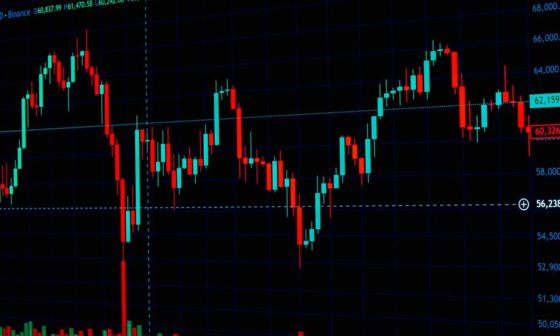

In the framework of The Role of Volume in Technical Analysis: Lessons from Martin Pring, volume serves as the secondary verification for price action. As detailed in Technical Analysis Explained: The Ultimate Guide to Martin Pring’s Trading Methodology, Pring asserts that volume must expand in the direction of the prevailing trend to confirm its health. This “fuel” distinguishes sustainable breakouts from deceptive bull traps. By integrating these lessons with Martin Pring’s Core Principles: Mastering Market Momentum and Trend Analysis, traders can discern whether institutional capital is backing a move or if the trend is nearing exhaustion.
Validate your strategy with instant backtesting
Backtest LibraryPractical Applications of Pring’s Volume Rules
Martin Pring emphasizes that volume leading price is a precursor to a trend change. When Identifying High-Probability Chart Patterns Using Pring’s Methodology, look for volume to surge as price breaks through resistance. If volume remains stagnant, the pattern lacks conviction.
- Volume Divergence: Price making new highs on lower volume suggests a lack of buying pressure, often seen before a reversal.
- Selling Climaxes: A massive spike in volume at the end of a downtrend usually indicates “capitulation,” signaling a potential bottom.
- Confirmation: Integrating volume with momentum tools like Martin Pring’s Special K Indicator for Long-Term Trend Identification provides a holistic view of market strength.
Examples of Volume Lessons in Action
To understand the nuances of Pring’s approach, consider these two specific scenarios:
- The Breakout Confirmation: In a study of the S&P 500, a breakout above a 200-day moving average accompanied by a 50% increase in average daily volume confirmed a new bull phase. Without this volume, the move would likely have been a “fakeout,” as seen in many volatile crypto assets.
- Exhaustion at Resistance: During a rally in tech stocks, prices reached a three-year high, but volume was 30% lower than the previous peak. This bearish divergence, a key part of The Psychology of Technical Analysis, correctly predicted a 15% correction.
Comparing Volume and Price Dynamics
Pring’s methodology can be summarized by how volume interacts with price action. This is increasingly relevant when backtesting Martin Pring’s momentum strategies.
| Price Action | Volume Action | Interpretation |
|---|---|---|
| Rising | Rising | Strong Bullish Trend |
| Rising | Falling | Weakening Bullish Trend (Exhaustion) |
| Falling | Rising | Strong Bearish Trend (Aggressive Selling) |
| Falling | Falling | Weakening Bearish Trend (Lack of Conviction) |
Modern Integration and Advanced Analysis
While Pring’s classic rules remain foundational, modern traders often ask: Can Machine Learning Enhance Classic Technical Analysis? Algorithms can now process “Volume-at-Price” data to find hidden liquidity zones. Furthermore, combining volume with Martin Pring’s Approach to Candlestick Patterns helps in identifying “Blow-off Tops” with higher precision. For those interested in macroeconomic shifts, volume trends are also vital in Martin Pring’s Guide to Sector Rotation, as capital flows are often preceded by volume surges in specific industries.
Conclusion
Mastering The Role of Volume in Technical Analysis: Lessons from Martin Pring allows traders to move beyond simple price reading and understand the underlying intensity of market participants. By treating volume as a prerequisite for trend validation, you reduce the risk of entering trades on false signals. To fully integrate these concepts into a profitable system, continue exploring the overarching framework in Technical Analysis Explained: The Ultimate Guide to Martin Pring’s Trading Methodology.
Frequently Asked Questions
What is the most important rule regarding volume according to Martin Pring?
The most vital rule is that volume should go with the trend. In a healthy bull market, volume should expand on rallies and contract on price pullbacks.
How does volume help identify a market top?
According to Pring, a market top is often signaled by a “buying climax” (extremely high volume with little price progress) or a bearish divergence where price makes new highs on declining volume.
Can volume indicators be used for long-term trend analysis?
Yes, volume is a core component of long-term validation. Pring often uses it alongside tools like the Special K to ensure long-term cycles are supported by actual money flow.
How does Pring’s volume theory apply to modern AI trading?
While AI can process volume data faster, the fundamental principle remains the same: volume represents the conviction of buyers and sellers, which is a psychological constant in any market.
Does low volume always mean a reversal is coming?
Not necessarily. Low volume during a price consolidation is healthy; however, low volume during a breakout is a major warning sign that the move lacks institutional support.
Is volume analysis effective for Bitcoin and other cryptocurrencies?
Absolutely. In volatile assets, volume is often the only way to distinguish between a “pump” and a genuine trend shift, making Pring’s methodology highly applicable to crypto.
What is the relationship between volume and chart patterns?
Pring teaches that volume confirms the completion of a pattern. For instance, a Head and Shoulders pattern is only fully “active” when the neckline break is accompanied by a surge in selling volume.