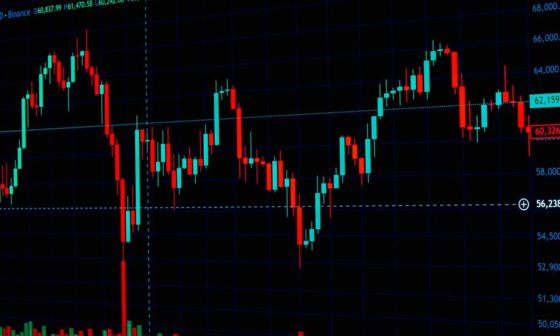
Identifying High-Probability Chart Patterns Using Pring’s Methodology involves more than just recognizing geometric shapes; it requires a systematic assessment of the market’s underlying psychological state. According to the principles found in Technical Analysis Explained: The Ultimate Guide to Martin Pring’s Trading Methodology, a pattern’s reliability is dictated by the duration of its formation and the volume supporting its breakout. By integrating price action with Martin Pring’s Core Principles, traders can distinguish between minor noise and significant trend reversals. Pring argues that the most potent patterns occur when multiple indicators—such as momentum and volume—converge, providing a “weight of evidence” that increases the statistical probability of a successful trade.
Validate your strategy with instant backtesting
Backtest LibraryThe Core Pillars of Pring’s Pattern Recognition
To identify a high-probability setup, Pring emphasizes that the context of the pattern is as important as the pattern itself. He suggests that the larger the pattern, the greater the potential for a significant price move. This is often validated by looking at the “Weight of Evidence,” a concept where chart patterns are not used in isolation but are confirmed by secondary indicators.
- Duration: Patterns that take months to form carry more significance than those formed over a few days.
- Volume Confirmation: A breakout must be accompanied by an expansion in volume. You can learn more about this in The Role of Volume in Technical Analysis: Lessons from Martin Pring.
- Prior Trend: For a reversal pattern to be valid, there must be an established trend to reverse.
Practical Examples of High-Probability Setups
Applying Pring’s methodology requires patience and a strict adherence to breakout rules. Below are two specific examples of how these principles are applied in real-world scenarios.
Example 1: The Head and Shoulders Reversal
In a classic Pring-style analysis, a Head and Shoulders pattern at a market peak is only considered high-probability if the “Right Shoulder” shows a significant drop in volume compared to the “Head.” Traders would look for the Special K Indicator to cross below its moving average simultaneously, providing the necessary momentum confirmation for a long-term trend change.
Example 2: Rectangle Consolidation in Volatile Assets
When Applying Martin Pring’s Technical Analysis to Crypto, a “Rectangle” pattern often acts as a high-probability continuation signal. Pring teaches that a breakout from a rectangle after a strong upward move suggests the market has “digested” its gains and is ready for the next leg. Success increases when the breakout occurs on the upper boundary with a volume spike of at least 50% above the 20-day average.
Advanced Tools and Modern Applications
While Pring’s methods are rooted in classic charting, they remain highly relevant in the age of algorithmic trading. Many quantitative analysts are now Backtesting Martin Pring’s Momentum Strategies to find edges in modern markets. Furthermore, the debate of Martin Pring vs. Modern AI suggests that while AI can identify patterns faster, Pring’s psychological insights into price action provide a nuanced filter that machines often miss.
For those interested in more specific price action techniques, exploring Martin Pring’s Approach to Candlestick Patterns and Price Action can provide deeper insights into entry and exit timing. Additionally, understanding Martin Pring’s Guide to Sector Rotation helps traders identify which sectors are currently forming the most reliable patterns.
Conclusion
Identifying High-Probability Chart Patterns Using Pring’s Methodology is a discipline that rewards the “Weight of Evidence” approach. By combining pattern geometry with volume analysis, momentum indicators like the Special K, and an understanding of market psychology, traders can significantly increase their win rates. As highlighted in the broader context of Technical Analysis Explained: The Ultimate Guide to Martin Pring’s Trading Methodology, the goal is not to predict the future but to position oneself where the probabilities are most favorable based on historical market behavior and human emotion.
Frequently Asked Questions
- What is the most reliable chart pattern according to Pring?
While Pring values many patterns, he often highlights the Head and Shoulders as the most reliable reversal formation, provided it is confirmed by volume and momentum divergence. - How does the “Weight of Evidence” apply to pattern identification?
It means that a pattern should not be traded alone; it requires confirmation from other tools like volume, moving averages, and oscillators to be considered high-probability. - Does Pring’s methodology work for intraday trading?
Pring’s principles are fractal and can be applied to shorter timeframes, though he notes that longer-term patterns generally have higher success rates due to less “noise.” - Why is volume essential in Pring’s pattern analysis?
Volume represents the conviction of market participants; a breakout without a volume increase is viewed by Pring as a “fakeout” or a low-conviction move. - How does market psychology influence these patterns?
Pring believes patterns are visual representations of the battle between fear and greed, as explored in The Psychology of Technical Analysis. - Can I use Pring’s methodology for Bitcoin or other cryptocurrencies?
Yes, the same psychological principles of supply and demand apply, though traders must account for the higher volatility inherent in these assets. - What role does the Special K indicator play in pattern trading?
The Special K serves as a primary trend filter, ensuring that a trader only takes long patterns during bullish primary trends and short patterns during bearish ones.