Understanding The Psychology of Technical Analysis: Insights from Martin Pring’s Research is essential for any trader looking to move beyond simple chart patterns. Martin Pring famously argued that technical analysis is the study of human behavior under the pressure of financial risk. By recognizing that market price reflects the collective emotions of participants—specifically greed, fear, and hope—traders can better navigate volatility. This exploration serves as a critical deep dive into the psychological frameworks found within the broader Technical Analysis Explained: The Ultimate Guide to Martin Pring’s Trading Methodology, helping you master the mental game required for long-term profitability.
Validate your strategy with instant backtesting
Backtest LibraryThe Human Element in Price Action
Martin Pring’s research emphasizes that price trends are the result of shifting attitudes toward economic and fundamental data. Instead of focusing solely on the data itself, Pring suggests analyzing how the market perceives that data. When investors are optimistic, they overlook negative news; when they are fearful, they ignore positive developments. This is why Martin Pring’s Core Principles prioritize the weight of evidence over a single “magic” indicator.
To apply this insight, traders should look for signs of psychological exhaustion. For example, if a market continues to rise even as momentum wanes, it indicates that the “herd” is buying based on FOMO (Fear Of Missing Out) rather than sound conviction. This divergence is a primary psychological signal in Pring’s methodology.
Actionable Insights: Trading with a Disciplined Mindset
Pring highlights several practical steps to align your trading with market psychology:
- Maintain Objectivity: Use indicators like Martin Pring’s Special K Indicator to stay grounded in the primary trend rather than reacting to short-term noise.
- Watch Volume for Conviction: The Role of Volume in Technical Analysis cannot be overstated; it confirms whether a move is backed by institutional commitment or retail panic.
- Practice Patience: Markets often stay irrational longer than traders can stay solvent. Pring’s research suggests waiting for a confirmed trend reversal rather than trying to pick tops and bottoms based on emotion.
Case Study 1: The “Euphoria” Phase in Volatile Assets
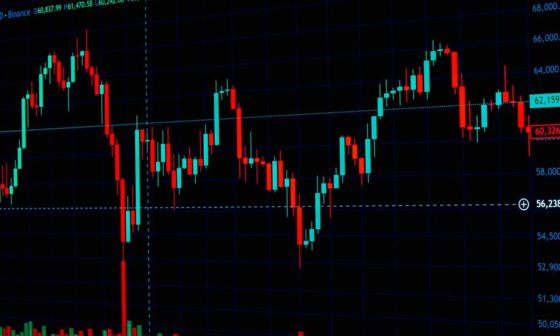
When Applying Martin Pring’s Technical Analysis to Crypto, we often see the “blow-off top” pattern. In 2021, Bitcoin reached historic highs while momentum oscillators showed lower peaks. Psychologically, this represented a “distribution” phase where savvy investors sold to the over-optimistic crowd. By using Identifying High-Probability Chart Patterns, a trader could have spotted the head-and-shoulders formation, signifying a shift from greed to fear long before the price crashed.
Case Study 2: The “Capitulation” Bottom
During the market bottom of March 2020, extreme fear led to a vertical drop in prices. Pring’s research suggests that when volume spikes at the end of a long decline, it signifies “capitulation”—the point where the last emotional sellers have exited. By studying Martin Pring’s Approach to Candlestick Patterns, a trader would have looked for a “hammer” or “piercing” pattern on heavy volume, indicating that the psychological tide was turning toward a recovery.
Modern Evolution: Psychology vs. Technology
While the human brain hasn’t changed since Pring began his research, the speed of markets has. Some traders now ask: Martin Pring vs. Modern AI: Can Machine Learning Enhance Classic Technical Analysis? While AI can process data faster, it often struggles with the irrationality of human panic. However, Backtesting Martin Pring’s Momentum Strategies shows that his psychological principles remain robust across decades of data, proving that human nature is the one constant in the markets.
For those interested in how these psychological shifts play out across different industries, Martin Pring’s Guide to Sector Rotation provides a roadmap for how capital moves as investor confidence shifts from defensive to offensive sectors.
Conclusion
The Psychology of Technical Analysis: Insights from Martin Pring’s Research teaches us that the ultimate goal of any chart or indicator is to measure the emotional temperature of the market. By mastering your own emotions and identifying the psychological extremes of others, you gain a significant edge. To see how these psychological insights fit into a complete trading system, return to our main pillar page: Technical Analysis Explained: The Ultimate Guide to Martin Pring’s Trading Methodology.
Frequently Asked Questions
What is the core psychological principle in Martin Pring’s research?
Pring believes that technical analysis is the study of the crowd. He posits that market trends reflect the gradual shift in investor attitudes, moving from pessimism at bottoms to extreme optimism at tops.
How does psychology affect trend identification?
Trends persist because it takes time for the “herd” to process information and change their emotional state. Pring’s methodology identifies the points where these psychological trends are likely to reverse due to emotional exhaustion.
Can I use Pring’s psychological insights for day trading?
While Pring often focuses on intermediate and long-term trends, his psychological principles apply to any timeframe where humans are making decisions. However, intraday charts often contain more “noise” that can obscure psychological signals.
How do volume and psychology relate in Pring’s view?
Volume is the psychological fuel of the market. High volume during a price rise shows widespread agreement and confidence, while low volume indicates a lack of conviction, suggesting the trend may soon fail.
Why is the Special K indicator considered a psychological tool?
The Special K combines multiple timeframes to show the consensus of both short-term traders and long-term investors. When they align, it reflects a powerful, unified psychological trend in the market.
Is Pring’s focus on psychology still relevant in an era of algorithmic trading?
Yes, because even algorithms are often programmed based on historical human patterns. Furthermore, when algorithms fail or create “flash crashes,” the resulting price action reflects the human panic of the programmers and fund managers who control them.