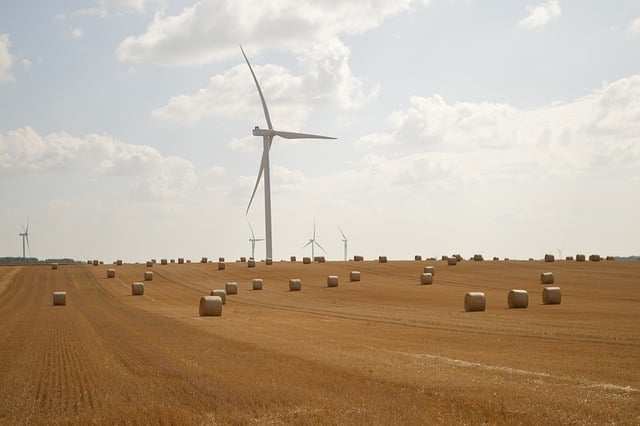
The global transition toward a decarbonized economy is no longer a peripheral trend but a central pillar of modern financial strategy. As institutional and retail investors alike pivot away from fossil fuels, the landscape of renewable energy investment has transformed into a complex ecosystem of equities, debt instruments, and infrastructure assets. This comprehensive guide serves as your primary hub for navigating this shift, offering deep insights into everything from high-growth stock selection to the intricate technical analysis of power plants. By synthesizing quantitative data with market-driven trends, this resource connects you to specialized deep-dives, including our analysis of the Top 10 Renewable Energy Stocks for Long-Term Growth and sophisticated trading techniques. Whether you are looking to understand the mechanics of green financing or the role of artificial intelligence in energy trading, the following sections provide the foundational knowledge required to capitalize on the sustainable infrastructure boom.
Validate your strategy with instant backtesting
Backtest Library1. Identifying High-Growth Equities in the Clean Energy Sector
Investing in the renewable sector requires a discerning eye that looks beyond mere environmental impact to evaluate corporate fundamentals and technological moats. The market is currently undergoing a consolidation phase where companies with robust balance sheets and scalable technologies are beginning to outperform their peers. To build a resilient portfolio, investors must distinguish between speculative startups and established players that possess the capital to survive fluctuating interest rates and supply chain bottlenecks. Understanding these dynamics is critical when selecting the Top 10 Renewable Energy Stocks for Long-Term Growth, as these companies often lead the way in patent filings and global market share.
Furthermore, the growth of clean energy stocks is increasingly driven by geographical diversification. While North American firms benefit from significant domestic subsidies, European and Asian conglomerates are often further ahead in offshore wind and solar integration. A long-term growth strategy should focus on firms that are vertically integrated, controlling everything from raw material procurement to the final maintenance of energy installations. This holistic approach helps mitigate the risks associated with volatile component pricing and ensures a more stable revenue stream across different market cycles.
2. Financial and Technical Analysis of Infrastructure Assets
Unlike traditional stock trading, investing in physical assets like utility-scale solar farms or hydroelectric dams requires a deep understanding of project finance and engineering viability. Evaluating these assets involves calculating the Levelized Cost of Energy (LCOE) and understanding the Net Present Value (NPV) of long-term power purchase agreements (PPAs). Investors must learn how to analyze power generation infrastructure projects by scrutinizing the capacity factor, degradation rates of equipment, and the reliability of the local transmission grid to ensure that projected yields align with reality.
Rigorous due diligence also extends to the contractual obligations surrounding these projects. A successful infrastructure investment is often underpinned by high-quality counterparty risk management. For instance, if a project is selling power to a municipality or a large corporation, the creditworthiness of that buyer is just as important as the efficiency of the solar panels. By mastering the metrics used to assess these long-lived assets, investors can secure predictable cash flows that are often uncorrelated with the broader stock market, providing an excellent hedge against inflation.
3. The Evolution of Green Bonds and Sustainable Debt
The debt market has seen a massive surge in popularity through the issuance of green bonds, which are specifically designed to fund projects with environmental benefits. These instruments allow investors to support the energy transition while receiving fixed-income returns, often with the added benefit of tax incentives in certain jurisdictions. Understanding the role of green bonds in clean energy financing is essential for anyone looking to diversify their fixed-income portfolio with assets that are audited for their environmental impact and transparency.
Green bonds differ from traditional corporate bonds in their reporting requirements; issuers must provide regular updates on how the funds are being utilized and the specific carbon reduction metrics achieved. This level of transparency has attracted significant interest from institutional funds that are mandated to meet Environmental, Social, and Governance (ESG) criteria. As the market matures, we are seeing the rise of “sustainability-linked bonds” where the interest rate of the bond can fluctuate based on the issuer’s ability to hit specific green targets, creating a powerful incentive for corporate accountability.
4. Balancing Risks and Rewards in Sustainable Markets
While the potential for high returns in the green economy is significant, the path is fraught with unique risks ranging from technological obsolescence to shifting political climates. Investors must weigh the potential for exponential growth against the “valleys of death” that many hardware-heavy energy companies face during their scaling phase. When investing in sustainable energy markets: risks and rewards must be evaluated through the lens of both market volatility and the fundamental shift in global energy consumption patterns.
Risk mitigation in this sector often involves a blend of diversification and active management. For example, while pure-play hydrogen companies might offer the highest potential reward, they also carry the highest risk of failure compared to diversified utilities. By understanding the interplay between commodity prices—such as the cost of lithium or polysilicon—and the final cost of energy production, investors can better predict which sectors will thrive. The reward for those who navigate these waters successfully is a stake in the infrastructure that will power the next century of human activity.
5. Future Trends in Global Green Infrastructure
The next decade of green investment will likely be defined by the integration of storage technologies and the modernization of aging electrical grids. As intermittent sources like wind and solar become a larger percentage of the energy mix, the demand for battery storage, pumped hydro, and thermal storage projects will skyrocket. Keeping an eye on future trends in global green infrastructure projects allows investors to position themselves ahead of the curve, particularly in emerging markets where the transition is often bypassing fossil fuels entirely.
We are also seeing a trend toward “decentralized energy systems” or microgrids, which provide resiliency to local communities and industrial complexes. These projects are becoming increasingly attractive to private equity investors due to their ability to operate independently of the national grid during emergencies. Furthermore, the rise of green hydrogen as an industrial feedstock and fuel for heavy transport represents a new frontier for infrastructure, requiring massive investments in pipelines, electrolyzers, and storage tanks that were virtually non-existent ten years ago.
6. Solar vs. Wind: A Comparative Investment Analysis
One of the most common questions for energy investors is which technology offers a better return profile: solar or wind. Both have seen massive cost reductions over the last decade, but they serve different roles in the energy mix and have different operational profiles. When comparing solar vs. wind: which power generation infrastructure wins?, one must look at geographic suitability, maintenance costs, and the stability of the output. Solar is generally more modular and easier to deploy at scale, while wind often offers a higher capacity factor, especially in offshore environments.
Maintenance and lifecycle costs also vary significantly between the two. Solar panels are relatively static with few moving parts, leading to lower operational expenses, but they require vast amounts of land and are susceptible to degradation from extreme weather. Wind turbines, conversely, are complex mechanical systems that require regular maintenance and specialized logistics for installation. However, wind power often peaks at different times than solar, such as during the night or in winter months, making a balanced investment in both technologies a prudent way to ensure continuous energy production and revenue generation.
7. Leveraging AI and ML for Energy Trading Optimization
The modernization of the energy grid has led to an explosion of data, from real-time weather patterns to minute-by-minute consumption statistics. Quantitative traders are now using advanced algorithms to navigate the complexities of electricity spot markets and carbon credit trading. Discovering how AI and ML models optimize renewable energy trading is becoming a necessity for firms looking to maintain a competitive edge. These models can predict supply spikes from wind farms or demand surges during heatwaves with far greater accuracy than traditional statistical methods.
Beyond simple prediction, machine learning is being used to automate the “dispatch” of energy from battery storage systems. By calculating the most profitable time to buy energy from the grid (when it is cheap and abundant) and sell it back (when it is expensive and scarce), AI-driven systems are turning passive infrastructure into active revenue generators. This intersection of computer science and energy management is one of the most exciting areas for venture capital and quantitative hedge funds today.
8. Backtesting Strategies for Clean Energy ETFs
Exchange-Traded Funds (ETFs) offer a convenient way to gain broad exposure to the renewable sector, but not all ETFs are created equal. Some focus on manufacturers, while others focus on power producers or specific technologies. To understand the historical performance and potential future volatility of these baskets, investors should utilize backtesting strategies for clean energy ETFs. This involves looking at how these funds performed during past interest rate hikes, periods of low oil prices, or legislative shifts.
Backtesting helps in identifying the correlation between clean energy ETFs and the broader S&P 500 or Nasdaq indices. Historically, the green sector has exhibited higher volatility than traditional utilities, but it has also shown periods of massive outperformance during “green rallies.” By running simulations, investors can determine the optimal weighting of these ETFs in a diversified portfolio to maximize the Sharpe ratio—a measure of risk-adjusted return—and avoid over-concentration in a single sub-sector of the energy transition.
9. Advanced Options Trading in Volatile Energy Markets
Given the inherent volatility of the renewable sector—driven by everything from weather events to geopolitical tensions—options trading provides a sophisticated toolkit for both hedging and speculation. Whether you are looking to protect a long position in a solar manufacturer or profit from the price swings of an energy ETF, mastering options trading strategies for volatile energy markets is a powerful skill. Strategies such as covered calls can generate income in a sideways market, while long puts can provide “insurance” against a sudden regulatory shift or market downturn.
Advanced traders also use “straddles” and “strangles” to profit from high volatility regardless of the direction of the price move. This is particularly relevant around earnings season for major renewable firms or ahead of major international climate summits. Because the clean energy market is so sensitive to news flow, options allow for high-leverage positions with defined risk, enabling traders to capitalize on market inefficiencies that occur when the public overreacts to short-term news.
10. The Influence of Government Policy on Investment Returns
Perhaps no other sector is as closely tied to the stroke of a legislator’s pen as sustainable energy. From tax credits in the United States to carbon pricing in Europe, government intervention is a primary driver of project viability. Analyzing the impact of government policy on sustainable energy investment is vital for predicting which technologies will receive the “green light” for subsidies and which will face regulatory headwinds. Policies like the Inflation Reduction Act (IRA) have fundamentally changed the economics of domestic manufacturing and renewable deployment.
However, policy risk works both ways. A change in administration or a shift in fiscal priorities can lead to the sudden removal of subsidies or the imposition of tariffs on imported components, such as solar cells. Investors must stay informed about international trade agreements and local zoning laws that can delay infrastructure projects for years. By integrating policy analysis into your investment framework, you can better anticipate market shifts and move capital into jurisdictions with the most stable and supportive regulatory environments.
Summary of Key Investment Metrics
To help you compare different investment avenues within the sustainable infrastructure market, the following table summarizes the typical characteristics of each asset class discussed in this guide:
| Asset Class | Typical Risk Level | Primary Return Driver | Liquidity |
|---|---|---|---|
| Renewable Stocks | High | Capital Appreciation | High |
| Infrastructure Projects | Moderate | Contracted Cash Flows | Low |
| Green Bonds | Low to Moderate | Fixed Interest (Coupon) | Moderate |
| Clean Energy ETFs | Moderate to High | Sector Performance | High |
| Energy Options | Very High | Volatility/Price Action | High |
Conclusion
The transition to sustainable energy represents one of the greatest reallocations of capital in human history. As we have explored throughout this guide, the market is no longer a monolith but a diverse collection of opportunities ranging from quantitative trading to long-term infrastructure development. By understanding the nuances of how to analyze projects, the role of government policy, and the power of emerging technologies like AI, investors can build portfolios that are both profitable and aligned with the future of the global economy. As you continue your journey, utilize the specialized resources linked throughout this pillar page to deepen your expertise in specific areas of the renewable market. The move toward a greener future is inevitable; the goal of this guide is to ensure you are well-positioned to lead it.
Frequently Asked Questions
-
What is the best way to start investing in renewable energy?
For most investors, starting with diversified ETFs or the Top 10 Renewable Energy Stocks for Long-Term Growth is the most accessible entry point. This provides exposure to the sector while mitigating the risk of individual company failure. -
Are renewable energy investments safe during a recession?
While stocks can be volatile, infrastructure projects with long-term Power Purchase Agreements (PPAs) and green bonds often provide more stable, defensive qualities during economic downturns because energy demand is relatively inelastic. -
How does AI improve returns in energy trading?
AI and ML models help traders by predicting weather patterns and demand fluctuations with high precision, allowing for more profitable “buy low, sell high” strategies in the energy spot markets and better management of battery storage assets. -
Why is government policy so important for green investments?
Many renewable projects rely on subsidies, tax credits, or carbon pricing to be competitive with fossil fuels. Therefore, the impact of government policy can directly determine the Internal Rate of Return (IRR) for a multi-billion dollar project. -
Should I invest in solar or wind?
Neither is objectively “better,” as it depends on the location and the investor’s goal. Solar offers lower O&M costs and modularity, while wind often provides higher energy density and a different generation profile. A balanced approach is usually recommended.